
BOISE, Idaho — Idaho lawmakers are considering a temporary funding plan to restore critical mental health services after recent cuts, as behavioral health leaders report growing impacts across the state.
The proposal, approved this week by the Joint Millennium Fund Committee, would provide one-time funding through 2027 for programs including Assertive Community Treatment, or ACT. The plan relies on a combination of state funds and potential opioid settlement dollars and still requires approval from the Joint Finance-Appropriations Committee, the full Legislature, and the governor.
WATCH | Temporary funding proposed to revive Idaho ACT mental health services through 2027
Temporary funding proposed to revive Idaho ACT mental health services through 2027
Behavioral health leaders say the cuts, which took effect Dec. 1, have disrupted care for people living with severe mental illness.
Laura Scuri, with Access Behavioral Health, said four deaths have been reported since the program ended.
“It’s just slightly terrifying to wake up every day and wonder if today’s the day that we’ll have another death or another tragedy in the community,” Scuri said.
ACT is an intensive, team-based model of care designed for people with severe mental illness who often struggle to access traditional treatment. Teams typically include medical and behavioral health professionals who provide services in the community, such as medication management, crisis response, and long-term care coordination.
Supporters say the program helps reduce hospitalizations and interactions with the criminal justice system by stabilizing patients outside of institutional settings.
READ MORE | Idaho Sheriff’s Association speaks out against mental health care cuts
Lawmakers backing the funding proposal described it as a short-term solution.
“Lawmakers need to come together to ensure that some of our most vulnerable persons in our community are taken care of,” said Rep. Brooke Green, a member of the Joint Millennium Fund Committee.
Even if approved, the funding would not be permanent.
“It is temporary through 2027,” said Scuri. “We still don’t have permanent funding.”
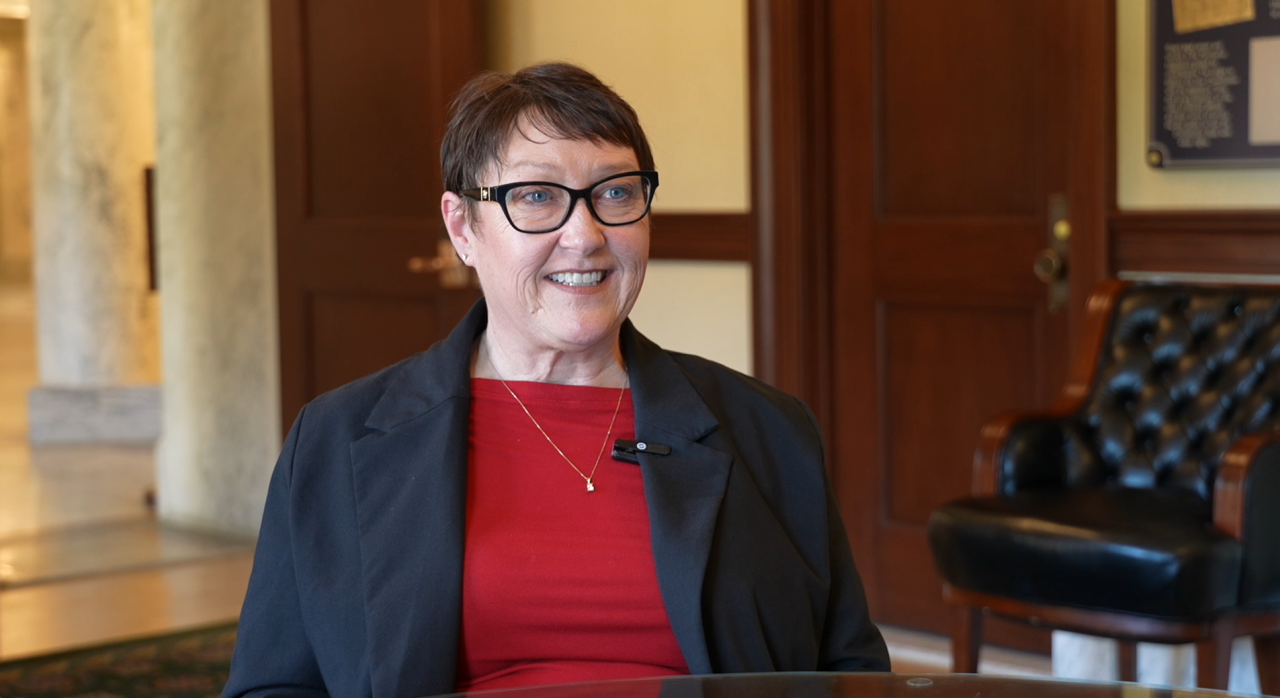
Allie Triepke / Idaho News 6
Lauri Scuri from Acess Behavioral Health discusses what restoring mental health programs might look like if funding is restored.
Providers say restarting the program would require rehiring and training staff, as well as reconnecting with patients who may have disengaged from care.
“Yes, I am very confident that the programs can be reassembled. The longer this goes on, the more difficult that becomes,” Scuri said.
Officials say the absence of ACT services has increased pressure on emergency systems, including hospitals, jails, and crisis centers. Law enforcement leaders report rising call volumes tied to mental health needs since the cuts.
“We’re starting to see the calls start to climb and we were expecting that,” said Meridian Police Chief Tracy Basterrechea.
The Joint Finance-Appropriations Committee is expected to take up the proposal next week. If approved, it would move to the full Legislature for consideration.
Behavioral health leaders say a long-term funding solution will be necessary to sustain services beyond the temporary measure.
PREVIOUS COVERAGE | Providers warn of public safety threat as Idaho slashes Behavioral Health funding