
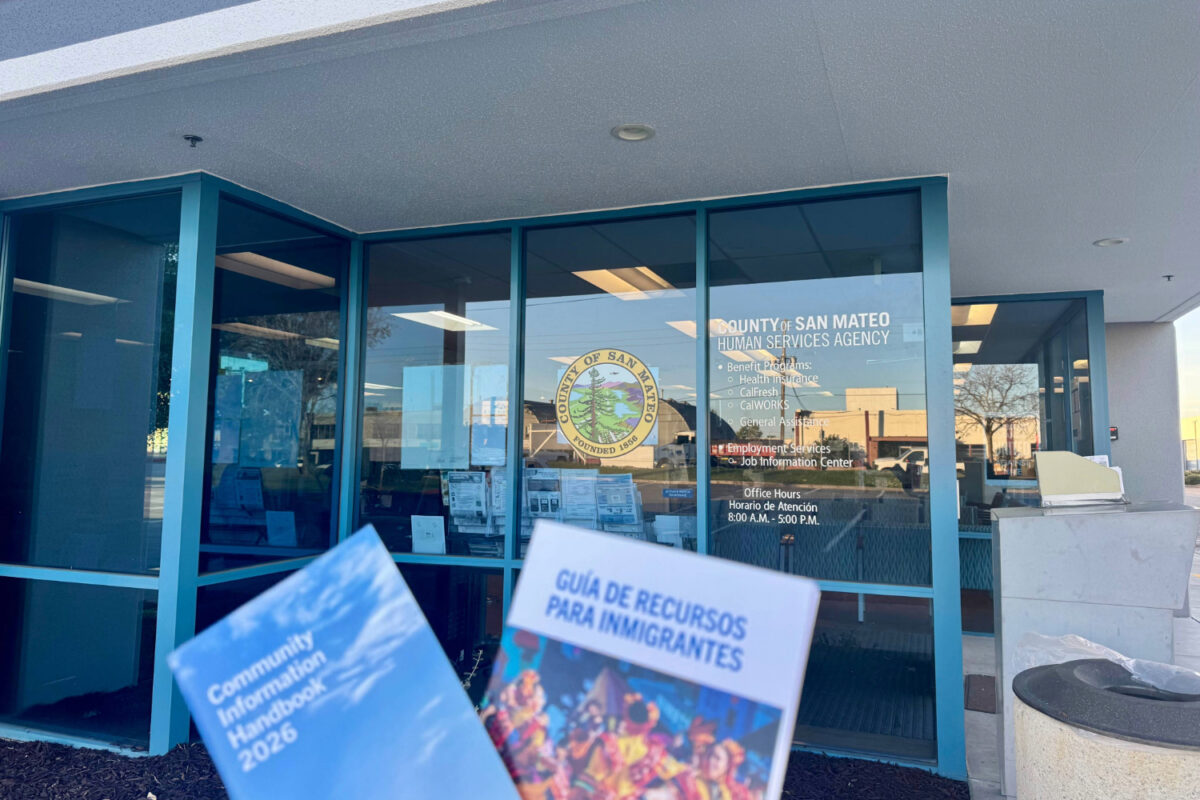
Resources and information about services that San Mateo County provide can be found in many locations, such as the Human Services Agency. Getting help can become challenging for one, as there is no clear cause of mental illnesses or one’s condition. However, by targeting those in need early, one’s situation can be stopped from developing into worse conditions. “There’s a lot that happens to a person that makes them mentally ill and oftentimes being homeless is not something you can control. Understanding that all these things happen because they didn’t have the support they needed should be more recognized,” said Maureen Joy de Nieva, a collaborative courts manager in San Mateo County.
Gov. Gavin Newsom awarded $219 million in funding for services and housing as part of California’s Community, Assistance, Recovery and Empowerment (CARE) Court.
The CARE Act is a first-in-the-nation approach to empower individuals with undertreated or untreated schizophrenia or other psychotic conditions and get them the help they need. CARE focuses on voluntary assistance for individuals rather than forced treatment.
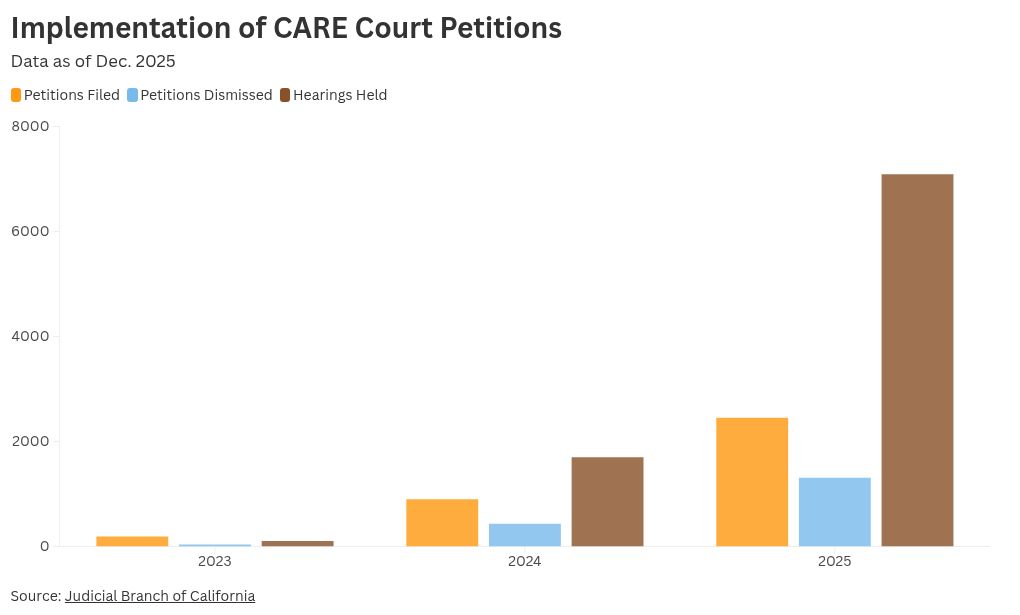
In 2023, CARE Court programs were implemented in eight counties; just one year later, all 58 counties were involved. Newsom announced the new measures on March 10, following the recent 9% drop in unsheltered homelessness.
“It doesn’t provide new services per se; it opens up doors. Someone isn’t coming to one of our regional clinics because they’re forced to; they have to want to come to a clinician or a psychiatrist,” said Ally Hopkins, a clinical services manager for Forensic Mental Health in San Mateo County.
To get involved, a first responder or family member must recognize that an individual needs help and take further action, such as filing a petition.
“Once we have all their documents and create a team for them, we start engaging with that person, figuring out their needs, how we can help them, and trying to get them interested in the CARE process. Then, we work with their attorney to come up with a CARE agreement, and focus on working around their needs,” Hopkins said.
According to Hopkins, some people are interested right away; however, for those who aren’t, they make sure they fully understand what participation involves.
“We explain that it’s a civil court, and there are no penalties like there are in criminal court,” Hopkins said.
Inside the court, they try to ensure that each person remembers why they are there and that their team is trying to help them.
“The philosophy of CARE Court is different because it is not about deciding guilt or resolving a dispute. Instead, the process is more collaborative as CARE Court works alongside behavioral health providers and legal teams,” said Maureen Joy de Nieva, a collaborative courts manager in San Mateo County.
Inside the county system, CARE Court aims to close gaps previously left unattended.
“There has not always been a clear way to connect people with serious mental health needs to services before they reach a crisis. CARE Court helps bring systems like health care, housing, and the courts together; families have a clear place to turn when they are trying to help a loved one,” de Nieva said.
Mental health is crucial to survival. According to Southern New Hampshire University, mental illnesses can cause physical symptoms, such as diabetes, stroke, and heart disease.
“It’s important to express one’s emotions and get help earlier rather than later, so they know they aren’t alone,” said Priya Bell, a Carlmont sophomore part of the Students Offering Support (SOS) Club.
“
A common misconception is that the legal system and mental health system operate completely separately; in reality, they often overlap.
— Maureen Joy de Nieva
Moreover, CARE Court connects services that would otherwise be independent.
“A common misconception is that the legal system and mental health system operate completely separately; in reality, they often overlap,” de Nieva said. “CARE Court, as part of the Collaborative Courts system, shows how the legal system can work alongside health and social services while still maintaining legal protections. Recognizing that connection can help people better understand how support systems function as a whole.”
With the announcement of funding, Newsom also recognized 10 counties, including San Mateo, as “CARE Champions” for successfully implementing CARE Court.
“We’ve seen a lot of success; for a lot of people, it’s seeing them not return to jail or not getting hospitalized. It’s nice to see that they’re taking their medication and getting stable in their housing,” Hopkins said.
In the end, it is crucial for one to have the right support, even before getting involved in the CARE Court or filing a petition.
According to John Hopkins Medicine, having a personal support system contributes to one’s overall health, including reduced stress, fewer physical health problems, and improved emotional well-being.
“If you’re struggling, it’s important to remember that you’re not alone. There’s always going to be someone there for you, even if you feel like there’s no one; they’re not going to judge you for needing help,” Bell said.