
By the time Martha Stem decided she desperately needed relief from a fresh wave of anguish, she had been adding to what she calls her “trauma box” for decades.
A retired appellate paralegal and grandmother in her early 70s, Stem had compartmentalized all sorts of traumatic events so that she could focus on caring for others. In her “box” were two sexual assaults while in college, pressure from loved ones to keep those incidents quiet, a suicide attempt, two divorces and other significant stressors. Packing away all these difficult experiences left her angry and depressed for much of her life.
Then, during Hurricane Helene in September 2024, the box finally busted open.
Stem, who lives in Tampa, Florida, went to check on her ex-husband, Jimmy, after the storm. Jimmy, her second husband, had remained a close friend and a father figure to her children from her first marriage, and Stem was helping to care for him during his arduous eight-year battle with cancer.
She found him dead of a self-inflicted gunshot wound.
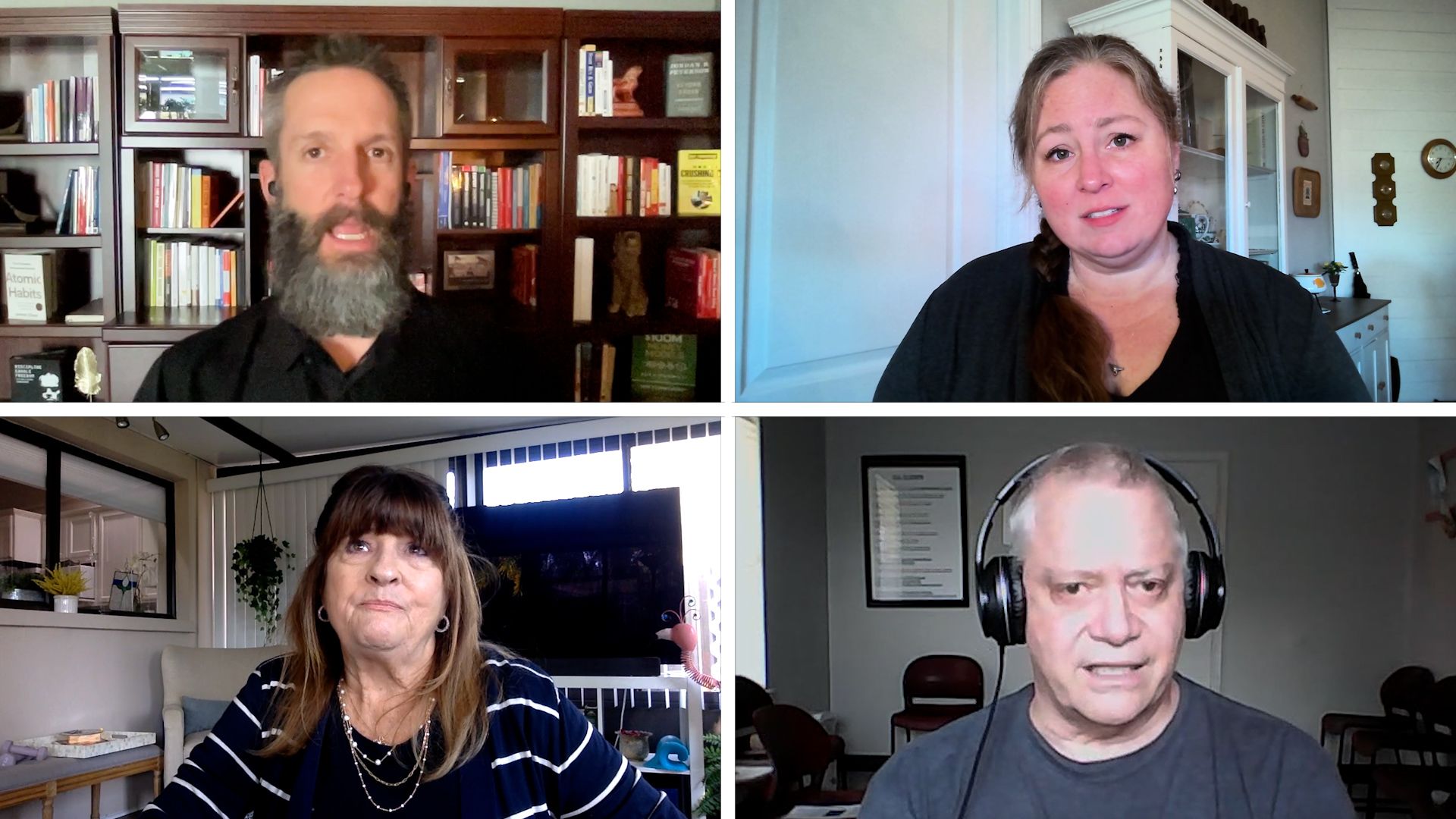
Hear participants describe how it feels to take psilocybin

Hear participants describe how it feels to take psilocybin
1:46
Jimmy’s loss was devastating. Stem, who had been on antidepressant medication for about 20 years, found a psychotherapist she liked to help her cope with this most recent trauma. But it didn’t feel like enough to address the decades of pain that had come rushing out.
It was Palm Sunday 2025, and Stem was at a Catholic Mass with her family, kneeling in the pew after taking communion and tears started streaming down her face.
“I didn’t do anything to stop it. I just let it go, because I realized this is a tidal wave,” Stem said.
She had tried traditional treatment. “But it’s not helping, and you need to find another way,” she told herself then.
Even before Jimmy’s death, Stem had been interested in psychedelic treatment, which has undergone a resurgence after decades of stagnation. That, in turn, has spurred a dramatic cultural shift that is leading some states to adopt laws that allow for use of the drugs in various contexts.
But after losing Jimmy, Stem felt motivated to try a retreat in Oregon centered around the drug psilocybin, the psychedelic compound in “magic” mushrooms. Oregon became the first state to legalize psilocybin mushrooms in 2020, rolling out regulated psilocybin services in 2023.
As psilocybin has become more available, more people are giving retreats like these a try. Dozens of people shared their stories with CNN, and each had their own unique experience, ranging from profound and life-changing to scary and disappointing.
Stem’s desire for an alternative path came alongside rapid growth in the volume of research around the therapeutic potential of psychedelic drugs like psilocybin.
High doses of psilocybin are effective in treating depression, a growing body of research suggests, with promise for other conditions, like PTSD and addiction, said Dr. Albert Garcia-Romeu, associate director of the Center for Psychedelic and Consciousness Research at Johns Hopkins University.
The research is relatively new, however. While in use for thousands of years by Indigenous Mesoamerican communities, modern study of therapeutic psilocybin use began in the 1950s but didn’t last long before being derailed by political and cultural pushback starting around the 1960s.
But attitudes have changed in the last 20 years. A growing focus on treating mental health concerns and a more open environment to therapeutic uses of drugs like marijuana has led to a resurgence in psilocybin research, Garcia-Romeu said.
While psilocybin is illegal under United States federal law, more states are creating their own paths for legal use under state laws.
Colorado became the second state to make psilocybin legal with a 2023 law and issued its first “healing center” licenses last year. A law adopted in New Mexico last year established that state’s Medical Psilocybin Program, now in development.
As she explored the options, Stem also considered retreats in South America featuring ayahuasca, another psychedelic long used by Indigenous peoples, which contains the hallucinogenic drug DMT and is largely illegal across the US.
The popularity of international ayahuasca retreats among Western seekers preceded the recent surge, in the last 10 years or so, of retreats featuring psilocybin in countries including Jamaica, where magic mushrooms are legal to grow and consume, and Mexico and Costa Rica, two countries where psychedelic use falls into legal gray areas.
But pursuing psilocybin within Oregon’s regulatory framework felt right to Stem, who was seeking structure and support and didn’t like the idea of being isolated in “the middle of an Amazon jungle” on an ayahuasca retreat.
“I wasn’t really worried about what it would be like,” said Stem, who had tried psychedelic drugs a few times in college. “But I wanted it to be a guided, intentional journey.”
The group retreat is just one format. Most of the psilocybin administered in Oregon, for example, is through individual sessions, according to Oregon Health Authority figures, with preparation required beforehand and “integration” offered afterward to help participants process the experience with a facilitator.
But for someone like Stem, traveling from Florida, the multiday group retreat offered the opportunity for two profound psychedelic journeys in a peaceful, well-supported environment. They were a “yin and yang” of experiences, she said — the first heavy and difficult, followed by a lighter and freer journey.
Stem said she’s not discounting psychotherapy and medication, which have helped her. “But then it got to the point that talking about it wasn’t helping anymore,” Stem said.
“I need to change the way I think about things.”
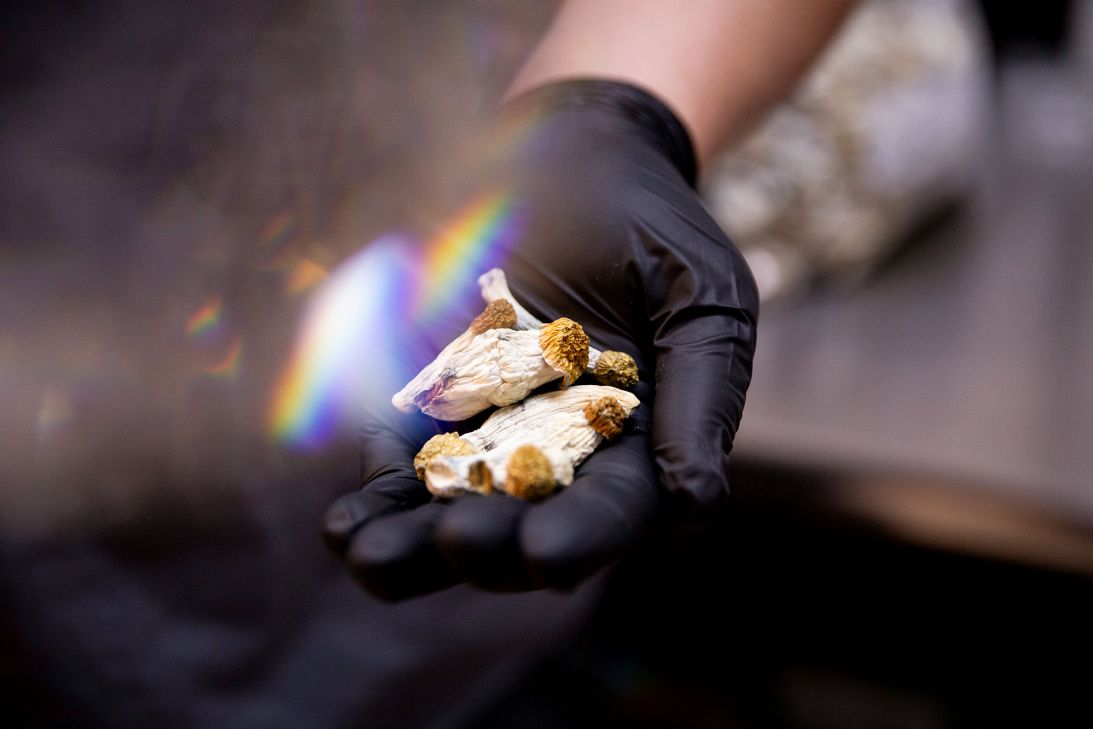
How can taking this drug possibly offer that change?
As with many medications, it’s hard to know the exact mechanisms behind the efficacy of psilocybin. Some researchers suggest it disrupts entrenched traffic patterns in the brain or grows new neuron connections to change thinking. Others say the results from psilocybin could have to do with its anti-inflammatory effect, Garcia-Romeu said.
“Potentially, by regrowing these connections in the brain, or creating this new neuroplasticity, it’s possible that it helps people to get out of some of their negative behavioral and emotional patterns,” he added.
The benefits of only a couple of doses can last up to six months, with some people reporting relief from symptoms for more than a year, preliminary research shows.
Much of the benefit comes when psilocybin is paired with talk therapy, he said. He recommends enrolling in clinical trials for “a safe, medically monitored setting” because some retreat operators may not always thoroughly screen for dangerous conditions or medication use and provide sufficient mental health resources to make the experience positive and effective.
Psilocybin seems to be “knocking on the door of FDA approval,” said Dr. Lynn Marie Morski, president of the Psychedelic Medicine Association, which educates health care providers on the therapeutic use of psychedelics so they can answer patients’ questions through the lenses of clinical evidence and harm reduction.
Psilocybin therapy first received a “breakthrough therapy” designation for treatment-resistant depression from the US Food and Drug Administration in 2018, and now psilocybin drug products are on track to be submitted to the FDA for possible approval in the not-too-distant future.
But some people seeking relief from mental health struggles are not willing to wait for psychedelics to receive federal approval. And the regulatory frameworks in Oregon and Colorado allow more people to take psilocybin than FDA-approved drugs would encompass. Some without formal medical diagnoses may seek psychedelic experiences for personal or spiritual growth or existential understanding.
“While there may be some overlap, in practice, different people with different levels of needs can benefit from different environments,” said Ismail Ali, co-executive director of the Multidisciplinary Association for Psychedelic Studies (MAPS), outlining how FDA approval of psilocybin drug products might create a system that could co-exist with the current state regulatory models.
Dozens of people who have participated in retreats in the US and abroad responded to a CNN callout about psilocybin retreats. Depression, PTSD and other mental health struggles, as well as grief and trauma, were motivating factors for many respondents. But some were primarily curious or found “spiritual adventure” in the experience.
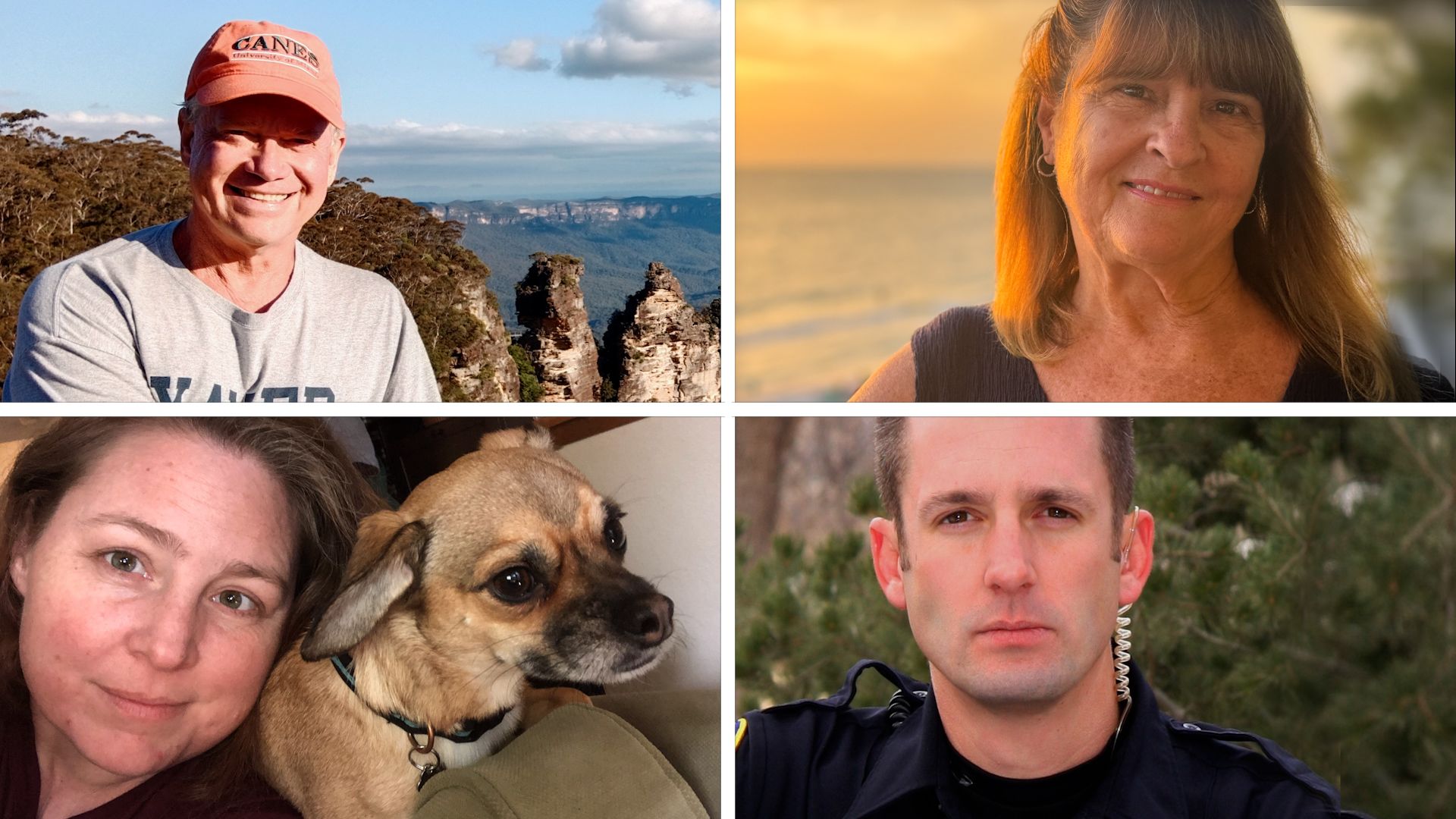
Participants share what brought them to psilocybin therapy

Participants share what brought them to psilocybin therapy
1:50
Screening and preparation
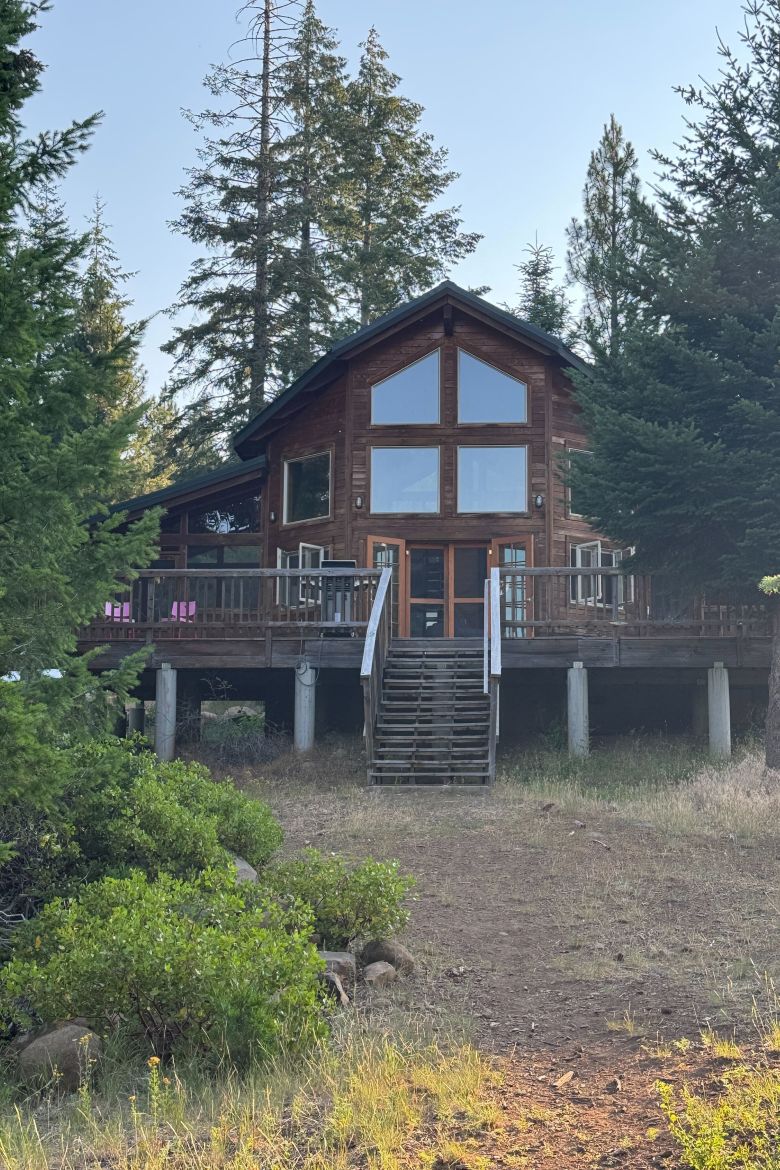
Stem’s research ultimately led her to a five-day group experience in July 2025 with Confluence Retreats, a center housed in cabins tucked away on 115 acres of forested land in Ashland, Oregon.
“It was just lovely. Very calm, peaceful,” Stem said of being immersed in nature, away from everything, with individual and group preparation and integration work with facilitators on site.
Between meditation and sessions with facilitators, there wasn’t much downtime, but in quieter moments, Stem spent time journaling or walking in the forest. Meals, which she described as nutritious and nurturing, were prepared by a chef and served family-style or in cabins for more alone time.
Before leaving her home in Florida, Stem and the other retreat participants had individual and group video calls with facilitators about what was bringing them to the retreat and what to expect. She also did assigned reading on childhood trauma. After the retreat, there’s another set of calls to help participants integrate the experience and apply insights to their daily lives.
Before the retreat, Stem came off her antidepressant, in consultation with Confluence facilitators as well as her doctor (who Stem said was skeptical of the retreat). This is a common step because some research suggests certain antidepressant medications could blunt psilocybin’s effects.
Like many psychedelic retreat operators in the US and abroad, Confluence requires prospective participants to provide a medical and psychiatric history to screen for conditions, circumstances and drugs that could present safety issues. Some cases are referred to physicians for medical or psychiatric review when additional evaluation is needed.
“Patients considering psilocybin should seek out a qualified practitioner for safety planning, particularly those on prescription medications,” Morski said.
Safety planning is also particularly important for “those with a personal or family history of bipolar disorder, psychotic disorder, or schizophrenia spectrum disorder, or who have active substance use disorder, suicidal ideation, or convulsive disorders,” she said.
Morski cautioned that using psychedelics in unsafe contexts — such as alone at home or under the guidance of an untrained or even nefarious facilitator — “may not deliver the intended benefits and can pose serious risks of physical harm, psychological distress, or both.”
She advises people who are exploring retreats to ask if facilitators have additional training beyond psilocybin facilitator training — are there licensed therapists, counselors or social workers on staff? Do they work with a physician who will do a full medical clearance?
At Confluence, there are three facilitators, licensed through the Oregon Health Authority’s Psilocybin Services division, present during the retreat for the eight-person group, according to founder Myles Katz, who is a licensed facilitator. At least one of those facilitators is a licensed mental health practitioner, said Katz, who served on the board of the Oregon Psilocybin Training Alliance (OPTA) and on committees helping to shape the state’s framework, but does not have a therapeutic or medical background himself.
Processing grief and guilt
For Stem, the preparation, which also included breath work and music therapy, provided a safe container for her journeys.
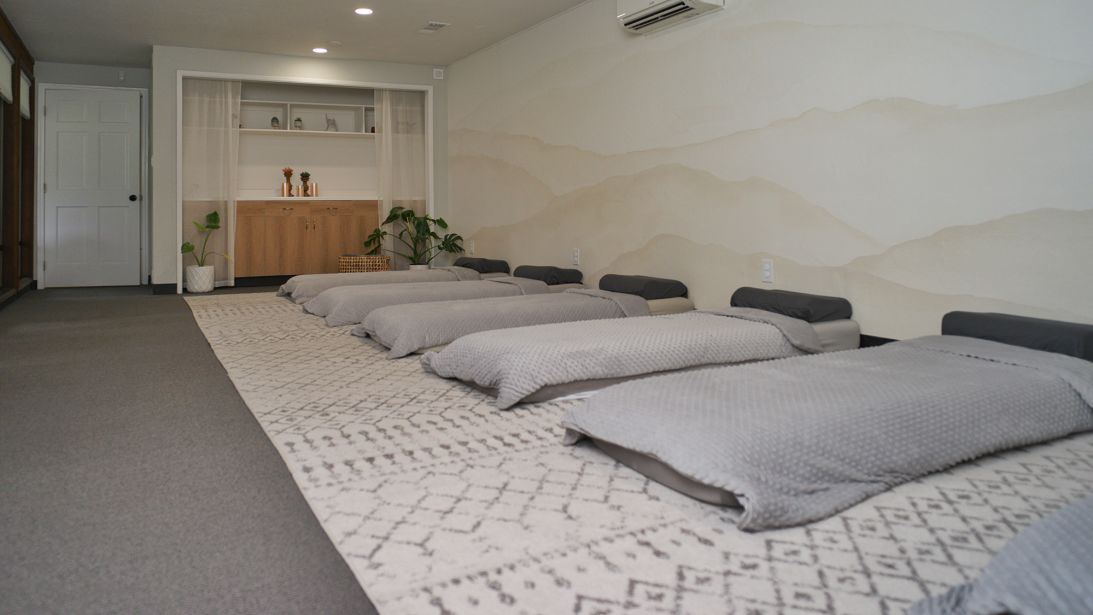
In accordance with the law, the drug was administered at a state-licensed service center, Omnia Group in nearby Ashland, on two days of the five-day retreat, with a day on either side for the group to prepare and process. There are currently nearly two dozen licensed service centers in the state of Oregon.
At the service center, there were eight single floor beds in the room. Stem chose one in the corner for her first visit so she could turn, face the wall and keep to herself.
Facilitators had encouraged participants to set intentions in the preparatory work they did beforehand.
“My intention was to open up the trauma box and deal with everything that was in there — just to be done with it,” Stem said, particularly with her ex-husband’s traumatic death.
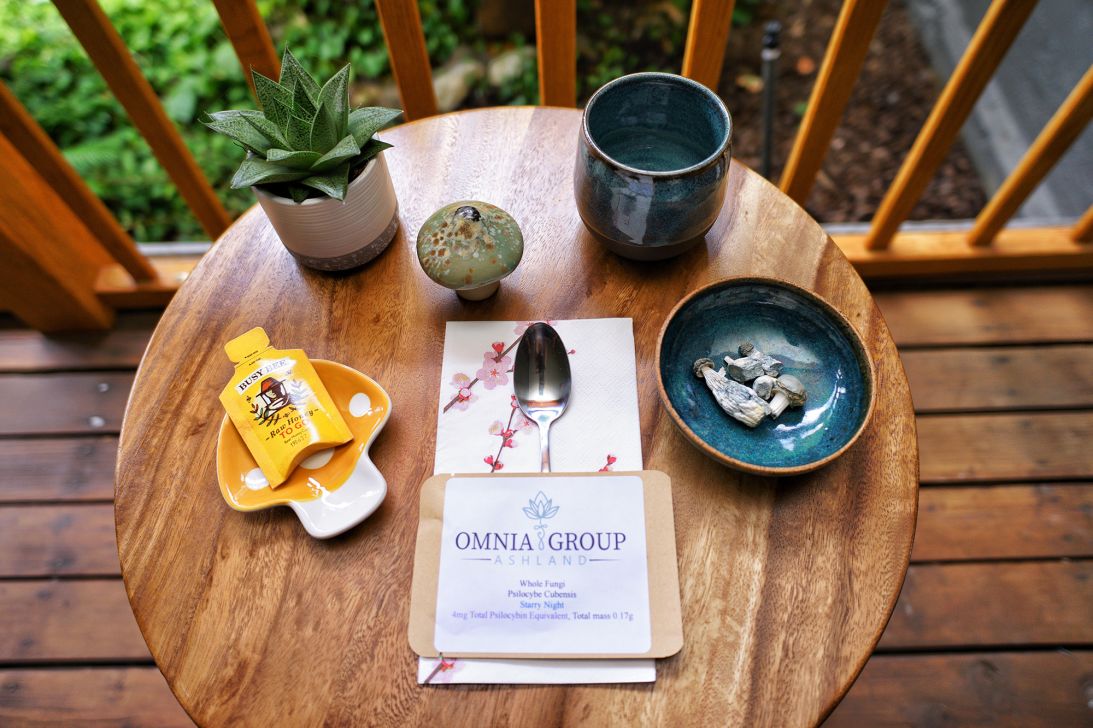
During Confluence retreats, the starting dose is 15 milligrams and can go up as high as 34 milligrams on the second journey, Katz said. The participants started with a lower dose, which came as a gray powder mixed into hot water. It was served like a tea, with the option to add lemon and honey.
With a weighted blanket on her body, shades on her eyes, and earphones playing “trippy” music curated for the psychedelic experience, Stem’s first journey began.
Her experience began with a tingling sensation starting in her fingertips and toes, then moving up the trunk of her body until visualizations began.
Stem doesn’t remember all the visualizations she had during that experience, but she does know that she saw colors and shapes and that she had a long conversation with Jimmy.
Guilt was one of the biggest obstacles she had to overcome, she said. “When someone you love dies, it’s like, ‘Why was I mean that time, and why did I say that?’” she said.
They talked together, she said, and she was able to apologize for all the things she had been carrying. And he forgave her.
“I cried for probably five and a half hours,” Stem said. “It was hard. It was very hard. I was exhausted by the end of the day.”
For the next journey, which came two days later, Stem had a different objective.
“I wanted the second experience to kind of set my intention for life, going forward: to be at peace, to be happy, to be calm, to just find joy in life again, rather than be angry and crying all the time,” she said.
Stem wanted to feel like she did as a little girl, carefree and playing on the beach, so she received permission to move her bed to the service center’s porch and look out over its small courtyard garden, where lush ferns and other plants bring a taste of the natural world to the intown facility.
This time, when the medicine took over, she felt like she was a child again, sleeping on her grandparents’ screened-in porch after a day in the sand. She asked for her guardian angels to visit.
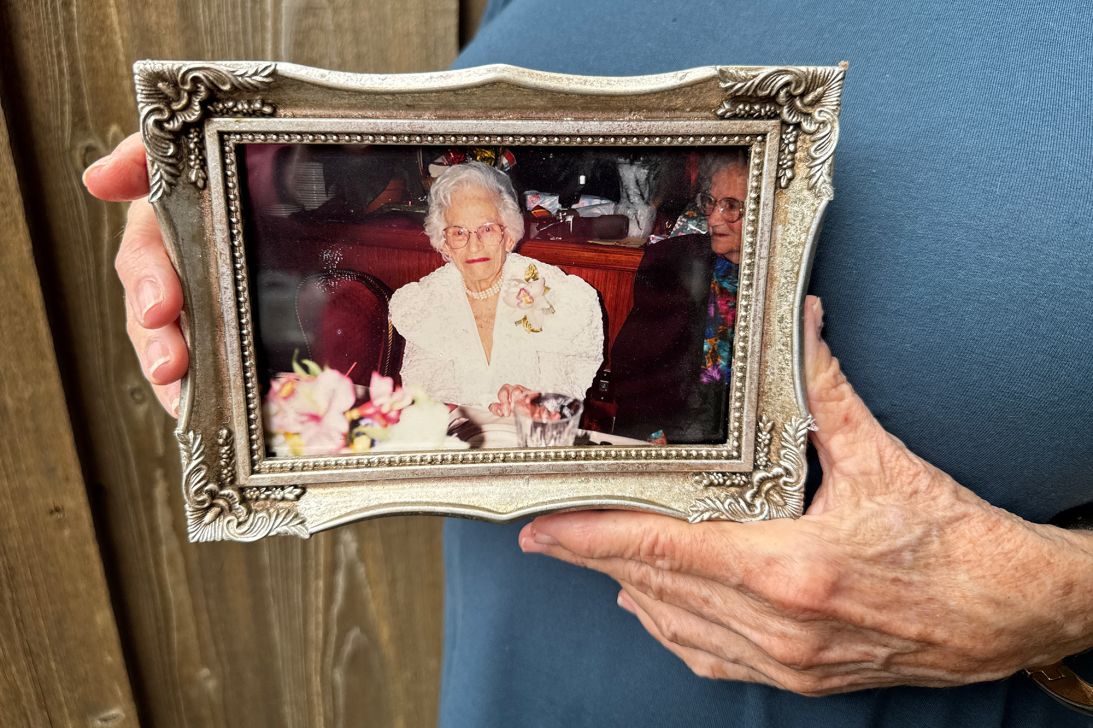
And there was her grandmother.
“She said, ‘Honey, you’re the only one in the family that has the gumption to get through what you’ve done in life, and we’re all so proud of you. You’ve done the best you can, and we’re always here for you. You just have to ask us for help when you need it,’” Stem said her late grandmother told her during her journey.
Varied experiences and effects
Psychedelic experiences vary from person to person, of course.
Effects of psilocybin can include visions or relived memories, altered perceptions of reality and losing sense of time and space. Not everyone sees “colors and visuals and shapes,” Katz said, noting he personally has very rarely experienced them.
Physical side effects can include raised blood pressure and nausea.
The experience can be blissful and/or frightening, which is why the phrase “set and setting” comes up a lot in discussing these drugs. A person’s mindset and the surrounding environment and people can have big impacts on how the journey unfolds.
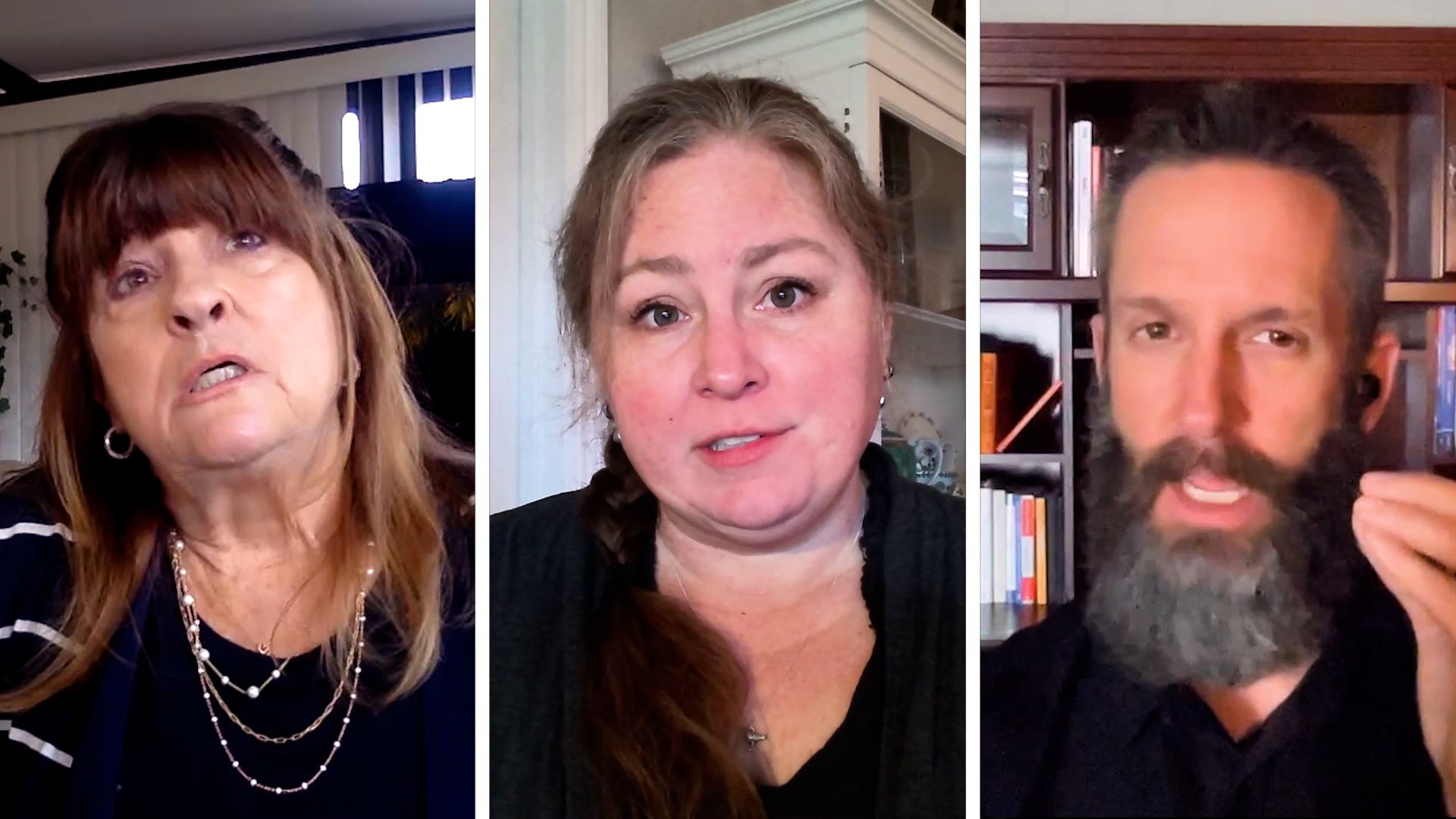
Psilocybin retreat goers speak about whether impacts lasted

Psilocybin retreat goers speak about whether impacts lasted
1:46
Many of the people who have participated in various psilocybin retreats and responded to CNN called their experiences “profound” and “life-changing.” Some said their journeys were “hard” or “unpleasant.” One respondent felt “traumatized” by two trips that “did not go well.” Their experiences unfolded at retreats in the US and abroad.
One respondent, Roger Sheffield, participated in a retreat in Colorado in early 2024, after psilocybin was legalized but before the state’s current regulatory structure was in place.
Sheffield, 67, has struggled with treatment resistant major depressive disorder for more than 50 years and did not find the relief he was seeking. Sheffield, who lives in Florida, said he participated in a Blue Portal Wellness retreat in Colorado. One of his psilocybin journeys was “the most frightening experience I’ve ever had on this Earth.”
“I felt like I was in a spaceship that was in the shape of a sphere that had a
porthole on it and that I was desperately trying to get out of this porthole and couldn’t get to it and couldn’t get to it. And I had this feeling: I have to get out of here, I have to get out of here — or I’m going to die.”
His facilitators, who he said were “very professional and experienced,” thought that the journey was helpful in revealing things that had been buried within him, but Sheffield feels differently.
“For me it brought up all these things, but it didn’t change anything. And that
was very frustrating,” Sheffield said. But the experience hasn’t scarred him or lingered in the form of nightmares, and he enjoyed getting away to Colorado. “The retreat part of it, I liked very much,” he said.
While psilocybin didn’t relieve his depression, Sheffield is glad he tried it and said he would do it again. It’s “absolutely an option” for others who
haven’t found relief with other treatments, he said.
“It didn’t work for me — it’s just unfortunate because it doesn’t work for
everybody. But there’s enough research and there’s enough science behind this that it has helped people,” he said.
It helped Jonathan Daniel, a former law enforcement officer now living in Arkansas, who had been struggling with primarily PTSD before going to a MycoMeditations retreat in Jamaica.
The experience changed him.
“I felt like it was me again,” Daniel said about how he felt after he returned home. “The voices inside my head, the struggles, the constant rumination was gone.”
Many retreat participants across locations underlined the importance of preparation and integration for psychedelic experiences.
Setting intentions before a journey is common and can serve as a “touchstone” during an experience that lacks focus or feels challenging, according to Philippe Lucas, director of research and safe access at MAPS.
Letting go of expectations during the experience is also advised, said Ali, MAPS’ co-executive director.
“The journeyer can’t control what comes up or force the medicine to go in a particular direction,” Ali said. “Sometimes people go in with one intention and find something else entirely.”
On her first psilocybin journey, Katrina Lewis, 46, said she was “hoping to figure out a way to survive the ongoing emotional pain” she has often felt.
Lewis, who lives in California, has struggled with depression for most of her life. She has participated in two psilocybin retreats — the first with Silo Wellness in Jamaica and the second with Confluence in Oregon.
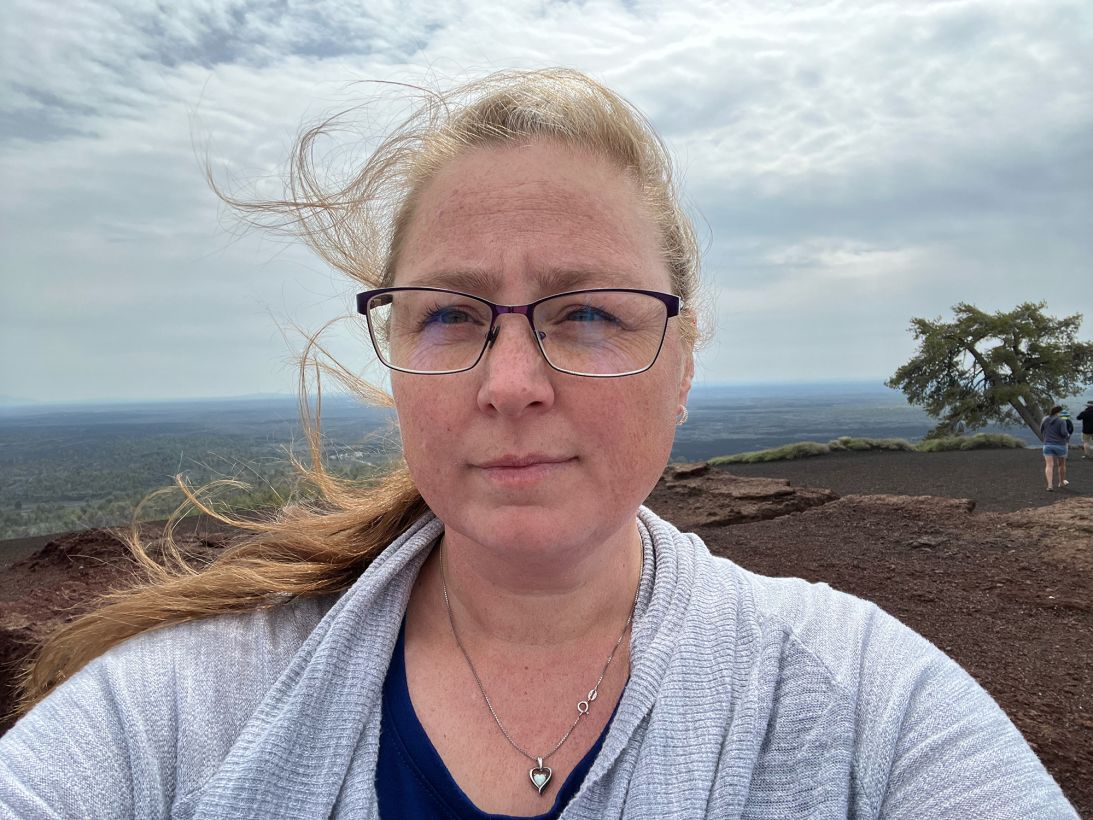
The two retreats resulted in periods of being symptom-free from her depression, but she later returned to antidepressant medication and more traditional treatments.
But Lewis prefers how she feels after psilocybin.
“The medication that I take from my psychiatrist reduces the negative symptoms for me,” Lewis said. “It makes the negative symptoms more bearable, it softens them, but it does not work to increase my capacity for joy and connection, which is what psilocybin has given to me.
Ali noted that the evidence for the efficacy of psychedelic group therapy, “in the Western, scientific evidence-based context,” is “still catching up” to what’s been gathered around the more individualized treatment formats that have been used in most clinical trials. But researchers are starting to look more closely at results from psilocybin use in community settings.
Ali pointed to the long tradition of taking psychedelics in groups.
“I hear from a lot of Indigenous practitioners that I speak to that it’s like kind of funny that Western medicine has to catch up to the fact that we heal together,” he said.
Katz said Oregon’s regulations create a high safety level, but the state’s legal framework is not medical or clinical “by design.” And he believes in that structure, which he says encompasses a much wider variety of reasons for seeking this experience and stretches beyond the medical model of “we give you this substance and there’s this outcome.”
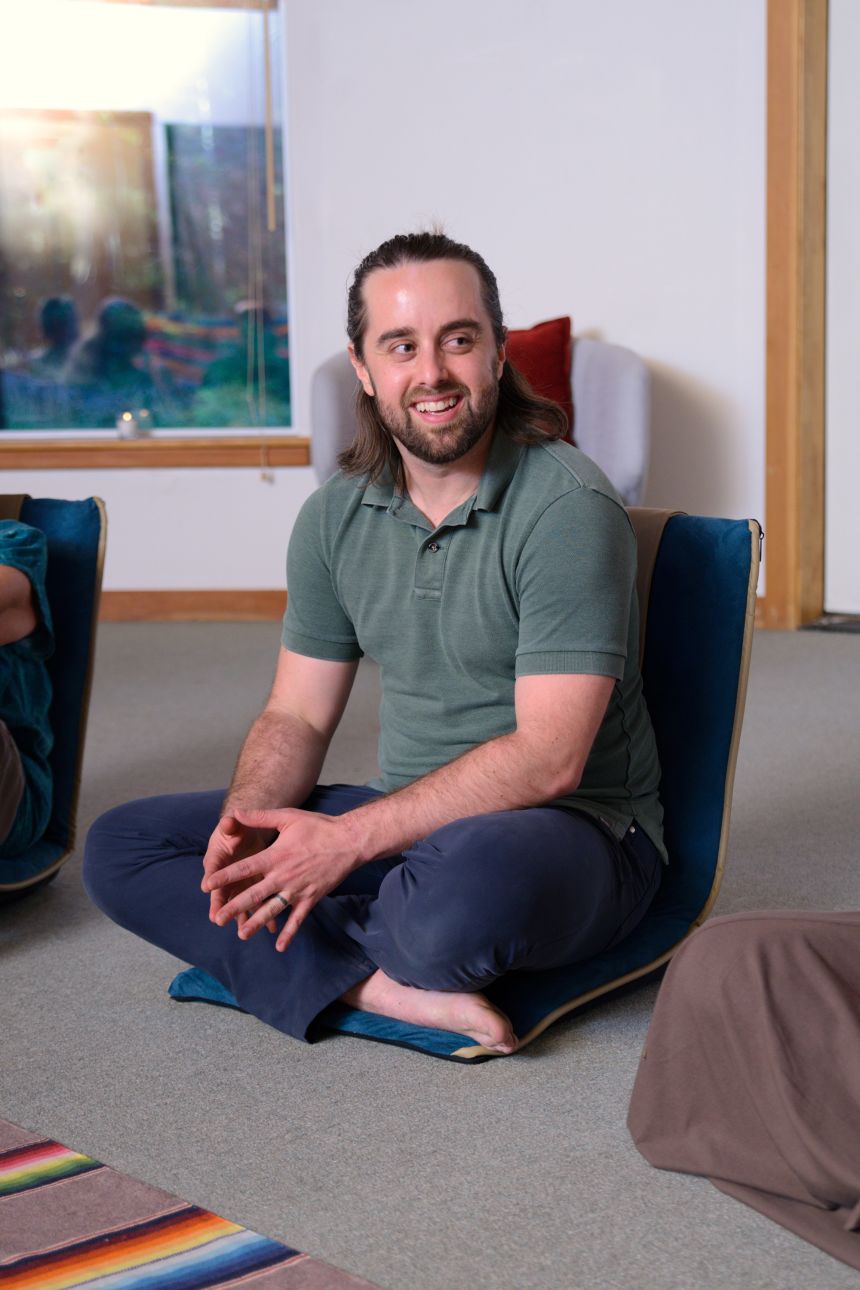
“The reality of your human life is it’s so multi-faceted. Like, are you in therapy? Are you having healthy relationships? Do you have your needs met at your job? Or whatever all the other life things are,” he said.
Katz looks at mental health along a broad spectrum from “extreme suffering” to “flourishing” and sees psilocybin’s benefits stretching way beyond the suffering end where conditions such as treatment resistant depression fall. Closer to the other end, there’s room for people who are just functioning to move toward flourishing, he believes.
His own early experience with psychedelics revealed what he now sees as issues with alcohol use and depression that he wasn’t really aware of until he started using psychedelics and “doing inner work,” he said.
Confluence offers “a lot of coaching” to help participants make the most of their psilocybin journeys, Katz said. “Yes, the experience itself, but equally as important, and way less sexy, is like what you do with all the new neuroplasticity after you go home.”
Katz has been working in the field of legal psilocybin experiences for more than seven years, but his entry into Oregon’s new system was bumpy.
In 2018, Katz co-founded The Synthesis Institute, a retreat company in the Netherlands, which expanded into Oregon with a training program as the state was working toward regulated use. Synthesis ran into financial troubles in 2023, and by necessity, online retreat booking company Retreat Guru stepped in to save the training side of the business. Katz acknowledges that his original company’s collapse resulted in a chaotic transition. He is no longer involved with the company and has opted to run Confluence as a mission-focused non-profit informed by lessons from that experience, he said.
Costs and accountability
Preparation, facilitator support and follow-up sessions can help make sense of experiences.
But those staff-supported hours come at a substantial cost. Confluence’s five-day retreats cost $6,400.
One-off psilocybin sessions in Oregon can range from about $1,000 to $3,000. Psilocybin treatment is not typically covered by insurance. The cost of the psilocybin product itself is a small fraction of the overall cost of a retreat or individual session. At Confluence, the mushrooms account for just $200 of the overall cost of the five-day retreat, Katz said.
State licensing and regulatory oversight add to the costs.

“When you dial that down,” Ali said, in places where formal oversight isn’t in place, “maybe you lower the cost, and I think for a lot of people that’s probably fine. But when you’re talking about people who do have comorbidities or complex diagnoses, generally you don’t want to incentivize people to go to the less regulated or less structured side of it.”
The regulated environment, he said, provides accountability as well. There are channels for complaints and rules around reporting events such as emergency services calls.
In Oregon, 5,935 clients received psilocybin services through Oregon’s state-regulated program in 2025. There were 13 emergency services reports last year, according to the Oregon Health Authority’s Psilocybin Services Section.
Both Ali and Katz underlined that psilocybin is not a magic cure-all.
Ali mentioned a “hype cycle” around psychedelics that can play into “the ‘silver bullet effect’ that makes people think that psychedelics are a straightforward treatment instead of one element in a larger healing journey.”
Stem called her retreat experience “the beginning of a transformation.”
It has been more than six months since her retreat, and so far, she has maintained the calm, present mindset she left with.
She’s setting more boundaries to protect her mental well-being. And she has gotten better at forgiving herself.
“Bad things happen, and that’s just the way it is. You know, everybody has trauma and bad things and horrible things happen in life. And it’s not that you deserve it,” she said.
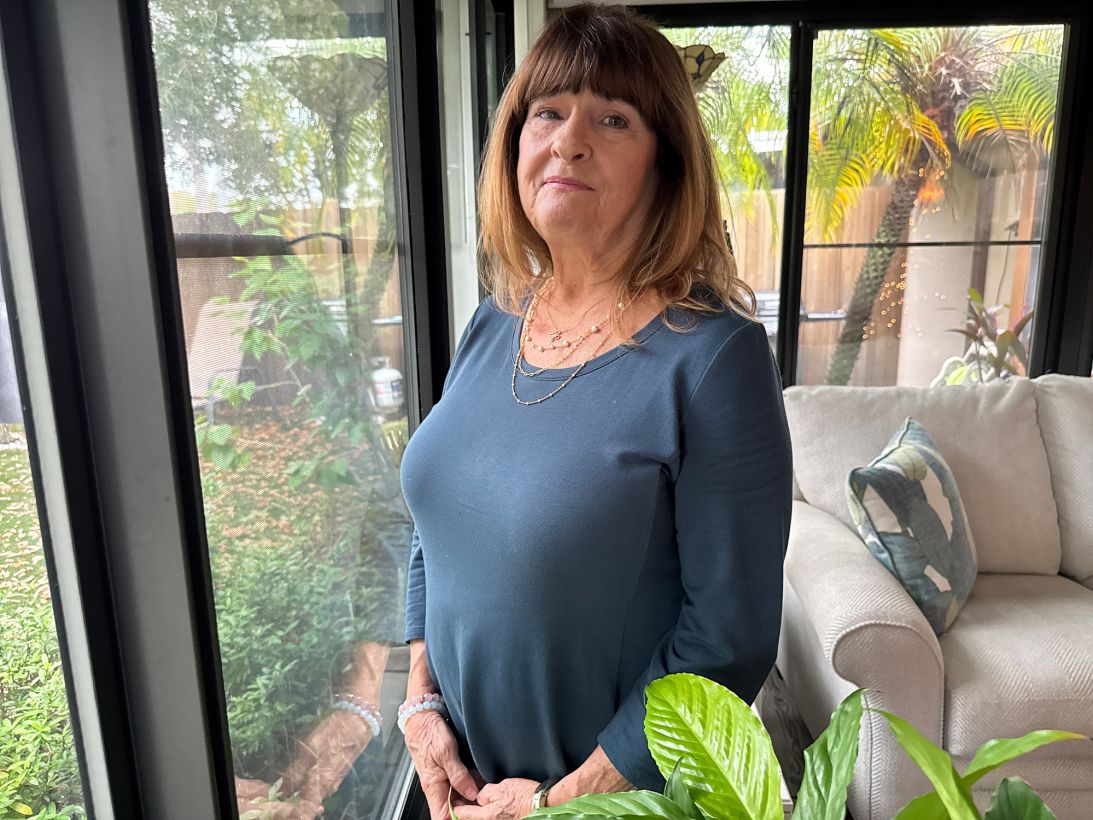
Stem recently went to Iceland, the first vacation she’s felt motivated to go on since Jimmy died, where she hiked a glacier, climbed waterfalls and marveled at the Northern Lights.
Her friends notice that she is lighter and happier. She hasn’t felt the need to return to therapy or anti-depressant medication.
Instead, she has maintained her feelings of safety and peace with yoga, meditation and more focus on all the people who love her, she said.
Before this experience, Stem started her days scrolling social media and the news, churning up feelings of anger like storms in her mind. The retreat taught her to let go and protect her peace, so mornings look different now. These days, she begins in the backyard with her dogs and a cup of coffee, enjoying the leaves, the trees and the quiet.