
When autistic students finish high school or college in New York, the transition into adulthood often brings unexpected loss. What disappears is not only structured support, but also access to community, hobbies, and meaningful social participation. For autistic adults without intellectual disability, this shift creates a quiet but significant service gap. Many are viewed as independent enough to manage on their own yet still face real barriers to recreation and leisure. Over time, limited access can lead to isolation, anxiety, and disengagement. These outcomes rarely appear in service plans, but they show up clearly in clinical practice. In this context, recreation is closely tied to long‑term mental health and community inclusion.
Recreation as a Core Part of Adult Development
Recreation is often treated as secondary to employment or therapeutic goals. Yet for many adults, hobbies and leisure activities are where identity, confidence, and social connection take shape. This is especially true for autistic adults, who often thrive in environments organized around shared interests rather than unstructured social expectations. Research has linked recreational engagement to improvements in emotional regulation and reductions in anxiety (Robertson & Simmons, 2015), but the value of these activities is evident long before any formal outcomes are measured.
In clinical work, adults describe leisure spaces very differently from therapy or social‑skills groups. Hobbies allow participation without the sense of being evaluated or treated. That shift in context often changes how safe and competent people feel. Recreation offers opportunities for belonging that structured interventions rarely replicate.
Understanding the “Missing Middle”
The adults most affected by this gap are often those who appear highly capable on paper. Strong language skills, education, or independent living abilities can mask ongoing challenges with executive functioning, sensory regulation, or social navigation. Functional independence does not always translate into easy access to community life.
Many adults describe difficulty initiating activities or managing the planning demands involved in joining a group. Sensory sensitivities can make unpredictable environments overwhelming. Unspoken social rules may create anxiety, and unfamiliar groups without clear structure can feel inaccessible. Transportation adds another layer of complexity, especially outside major cities. These challenges rarely meet eligibility thresholds for intensive developmental disability supports, leaving many adults outside formal service structures despite ongoing need. The issue is usually not a lack of interest in participation, but the absence of environments with clear and welcoming entry points.
The New York Service Context
New York’s service system rightly prioritizes individuals with higher support needs. At the same time, this structure can unintentionally leave autistic adults without intellectual disability with limited options. Programs designed around habilitation or intensive supervision may not align with the goals or identities of adults seeking age‑appropriate community engagement.
Mainstream recreation programs are not always equipped to bridge this gap. Staff may have limited exposure to autism‑informed approaches, and small environmental factors such as noise, unpredictability, or unclear expectations can make participation difficult to sustain. Outside New York City, transportation adds another barrier, often leaving families to coordinate social and recreational opportunities long after adulthood begins.
Mental Health Consequences of Limited Leisure Access
Limited access to recreation is not a neutral issue. Loneliness and social disconnection are associated with poorer mental health outcomes among autistic adults (Hedley et al., 2018). Clinically, it is common to see reduced participation lead to a gradual cycle of withdrawal and growing anxiety around reentry.
Conversations about recreational access often occur only after mental health concerns emerge, rather than being recognized early as a preventative support. Many adults rely heavily on solitary activities, not because they prefer isolation, but because those activities offer predictability and control that community settings often lack. Without accessible alternatives, participation tends to narrow rather than expand.
It is also important not to frame recreation solely as therapy. Leisure should not exist only to produce clinical gains. Like anyone else, autistic adults need spaces where they can pursue interests, develop relationships, and experience belonging for its own sake.
Moving From Access to Inclusion
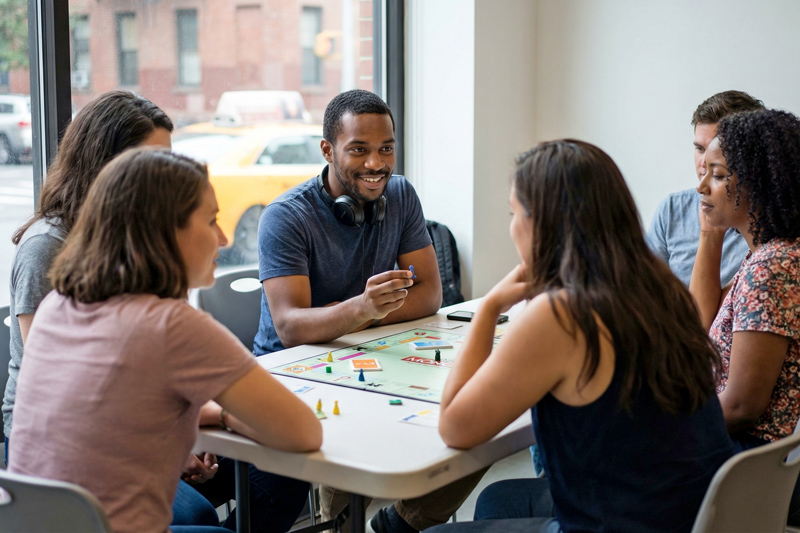
Addressing this gap does not require creating an entirely new system. In many cases, small adjustments within existing programs can make participation far more accessible. Activities that grow out of shared interests, such as gaming, art, photography, technology, or outdoor groups, tend to reduce social pressure and give adults a clearer way to enter a community. Predictable schedules and clear expectations also help reduce anxiety, while still allowing people to choose how much they want to interact. Attention to sensory needs, including quieter spaces and consistent routines, can make it easier for adults to stay engaged. Recreation staff who receive even basic training in autism‑informed approaches are often better able to support communication differences and offer flexible guidance. Clinicians can also play a role by discussing hobbies during treatment planning and helping adults work through the logistical or emotional barriers that make participation difficult. Together, these kinds of adjustments create more reliable pathways into community life without requiring programs to reinvent themselves.
Broadening Definitions of Participation
Traditional ideas of successful social participation often assume frequent verbal interaction or full group integration. For many autistic adults, meaningful engagement may look different. Parallel participation, quieter involvement, or shared presence without continuous conversation can all represent genuine connection. These forms of participation should be recognized as valid and valuable.
Expanding recreation access requires communities to move away from measuring conformity and toward supporting diverse ways of engaging.
Conclusion
Autistic adults without intellectual disability represent a growing group whose needs often fall between existing systems. As school‑based supports end, opportunities for recreation and community participation frequently diminish at the exact point when adult identity and belonging become most important. Strengthening access requires collaboration among clinicians, community programs, and service systems to create accessible, interest‑driven pathways into recreation. If New York hopes to improve long‑term outcomes for autistic adults, recreation must be treated as an essential part of adult life, one that supports mental health, independence, and genuine community inclusion.
Richard Anemone, MPS, LMHC, is a licensed mental health counselor in New York State and owner of Behavioral Mental Health Counseling PLLC, where he provides counseling, training, presentations, and technical support to individuals, families, groups, and organizations. His clinical work focuses on gambling addiction, anger management, intellectual and developmental disabilities, and psychiatric disorders. Richard also serves as Senior Vice President of the IDD division at Institute for Community Living, supporting programs that help New Yorkers with behavioral health challenges access housing, health care, and recovery services. He can be reached at [email protected].
References
Hedley, D., Uljarević, M., Wilmot, M., Richdale, A., & Dissanayake, C. (2018). Understanding depression and thoughts of self-harm in autism: A potential mechanism involving loneliness. Research in Autism Spectrum Disorders, 46, 1–7.
Robertson, A. E., & Simmons, D. R. (2015). The relationship between sensory sensitivity and anxiety in adults with autism spectrum conditions. Autism Research, 8(6), 706–716.