
Sophie Towle’s mum says there are “really good people” in mental health care, but not enough of them
Joseph Connolly Local Democracy Reporter
06:00, 10 Apr 2026
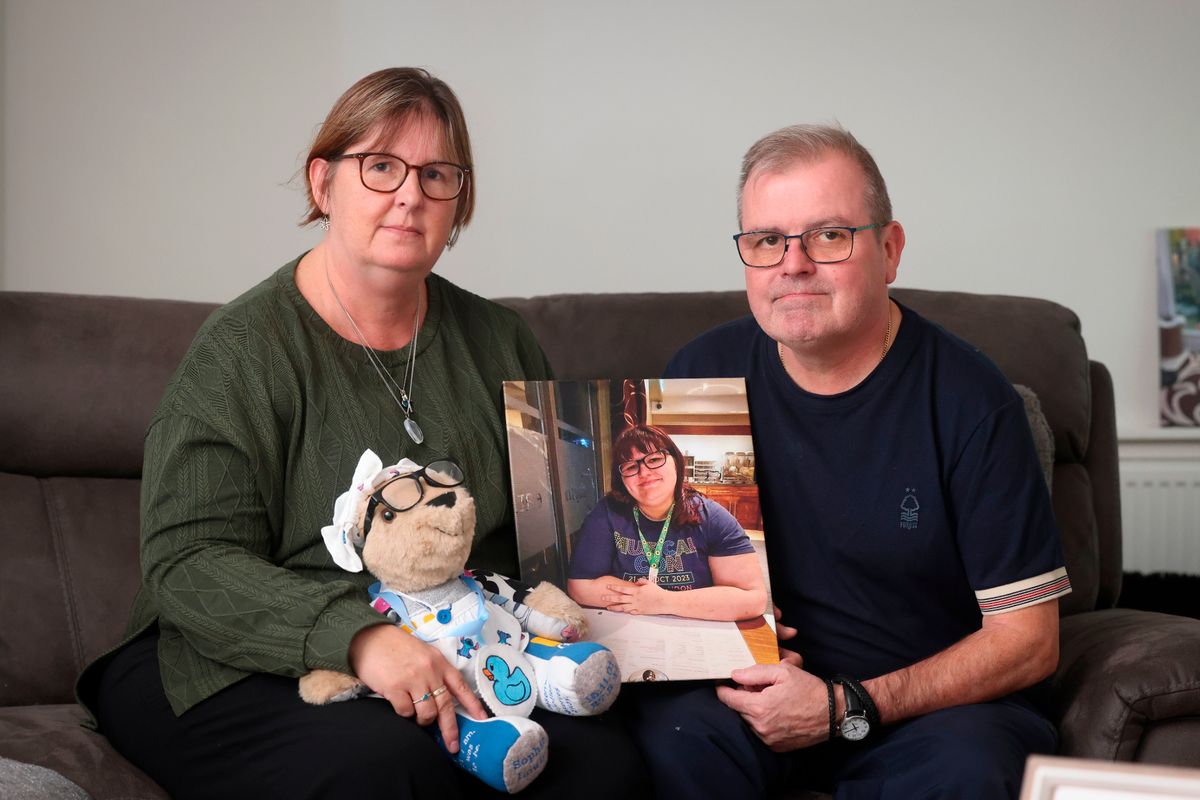
Leisa (left) and Jeremy Towle are fighting for change after their daughter’s death(Image: Joseph Raynor/ Reach PLC)
Before the inquest into her daughter Sophie’s death at a mental health hospital, Leisa Towle received a pack of documents.
Among them was a witness statement from Sophie’s doctor at Sherwood Oaks Hospital in Mansfield – part of Nottinghamshire Healthcare NHS Foundation Trust.
The doctor writes about Sophie’s life, her education, and her treatment plan on the ward.
He gets it wrong.
“He didn’t know her at all,” says Leisa, something which she’d already suspected.
“I was fuming. He said she was a ‘Cambridgeshire University’ student and that she was allowed a few hours leave each day with staff and family. She wasn’t.”
Sophie Towle, Leisa’s daughter, is one of the many case studies we’re highlighting this week as part of a campaign to shine a light on the significant improvement still needed across mental healthcare services in Nottinghamshire.
A jury ruled in November that neglect by mental health hospital staff contributed to her death in 2024.
It’s been nearly two years since then, but Leisa remains concerned that those issues are yet to be properly tackled.
“I think there’s a culture and culture is harder to change than procedures,” says Leisa. “You’re battling with staff who are stretched, but it’s how you change their mindset. That’s the difficult thing, I think.”
Since Sophie’s death, Leisa has been in touch with Nottinghamshire Healthcare’s director of nursing, Diane Hull.
She’s trying, as a bereaved victim, to help drive change.
‘It made her mental health worse’
“I think one of the biggest things is listening,” Leisa says. “Listening to patients and listening to families and involving them in every step of the care.
“Because often we were excluded, or we didn’t know what was happening, and Sophie didn’t know what was happening. It made her mental health worse because she thought people were doing things behind her back.”
It was only in Nottinghamshire that Sophie, who was diagnosed with Emotionally Unstable Personality Disorder (EUPD), experienced these problems.
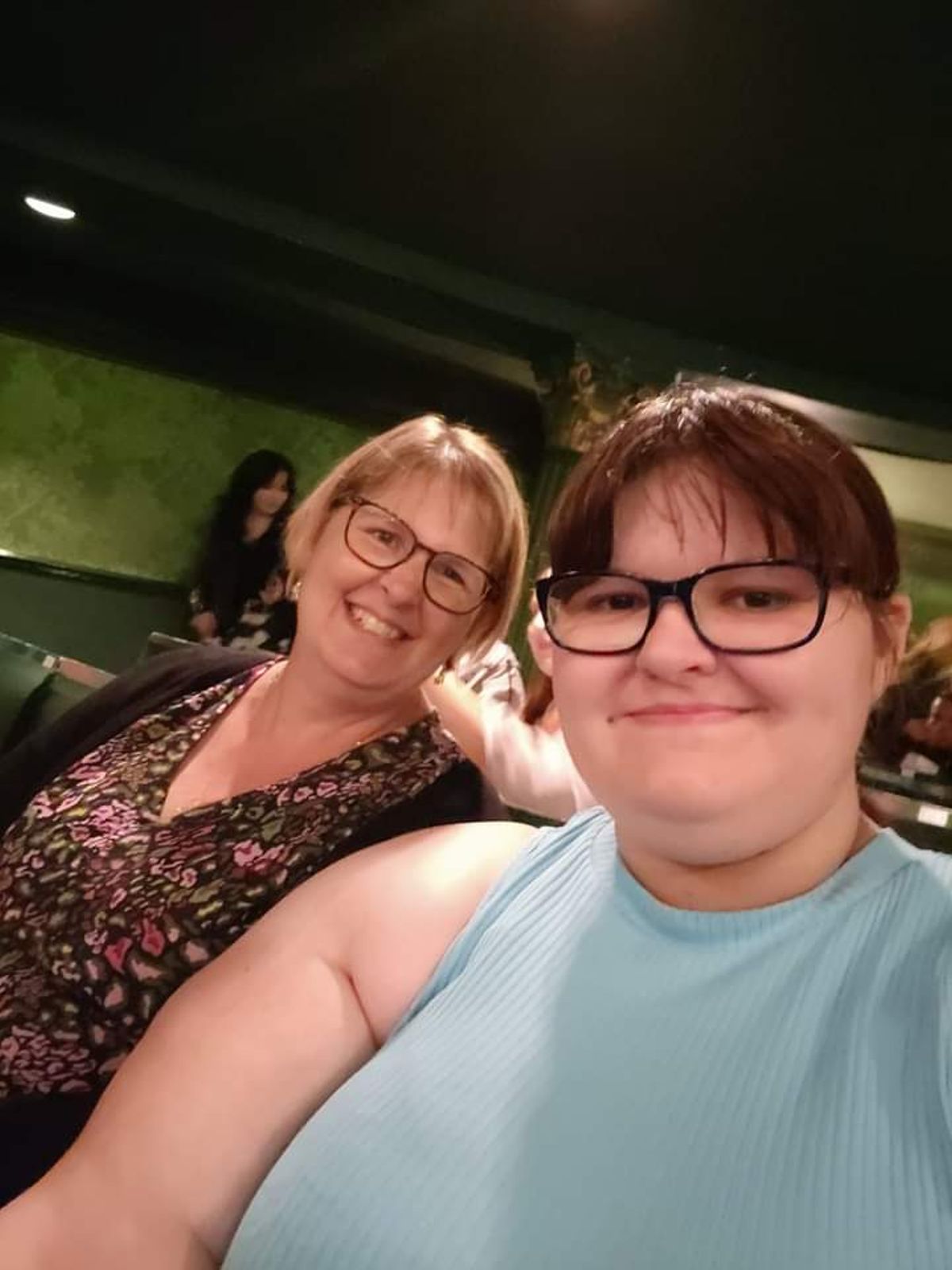
Sophie with her mum, Leisa(Image: Leisa Towle)
When she stayed at hospitals run by Rotherham, Doncaster & South Humber Trust, she had an entirely different experience.
“In Doncaster, they seemed to be very coordinated,” says Leisa. “Everyone seemed to know what they were doing and working to the same aims. In Nottinghamshire, sometimes the left hand didn’t know what the right hand was doing.
“The doctor in Doncaster just knew Sophie. She really knew her, as a person, not just as a patient. She would go in and see Sophie in the morning if she was still in bed and help her get up. I don’t think the doctors in Nottinghamshire ever had that human touch.”
Leisa thinks Sophie would still be alive if she had stayed in Doncaster. She was moved back to a Nottinghamshire Healthcare ward when a bed became available because, being from Mapperley, it was her “home” NHS trust.
One to one observations
In Doncaster, Sophie was immediately put under one-to-one observations – meaning someone was watching her 24 hours a day, including when she slept or went to the bathroom.
In Nottinghamshire, Leisa says they avoided one-to-one observations “at all costs” because they were viewed as “restrictive” and “deskilling,” and patients were meant to build their own skills to deal with their emotions.
But being on one-to-one worked for Sophie, Leisa says.
“I knew Sophie inside and out,” says Leisa. “It took me a long time, but I did. But the staff weren’t willing to adapt how they dealt with her from the knowledge that I had and from what Sophie was telling them.
“They just kind of had a one-size-fits-all treatment plan, really. They treated everybody the same.”
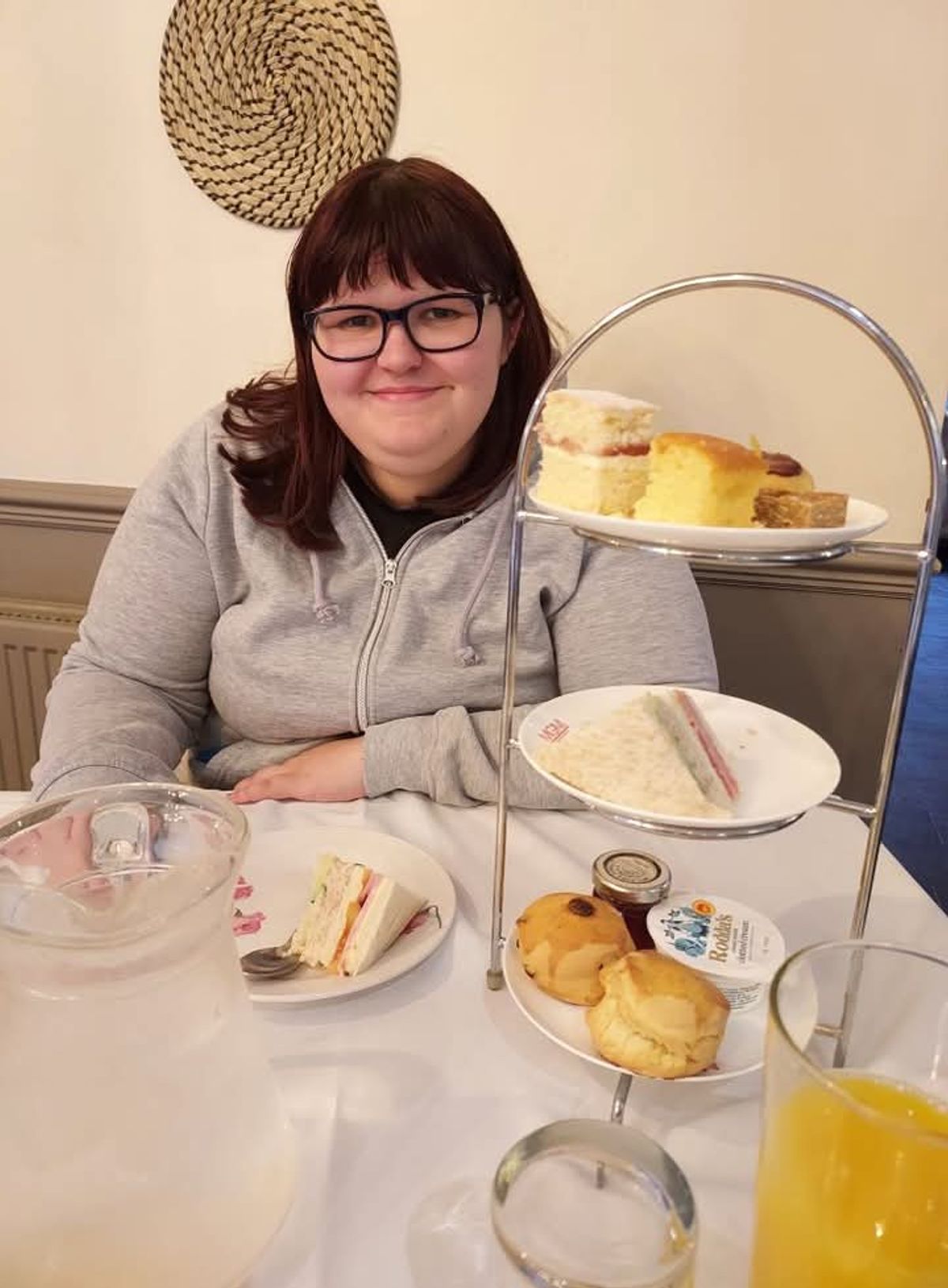
Sophie enjoyed the theatre and cooking(Image: Leisa Towle)
It was recently reported that Nottinghamshire Healthcare NHS Foundation Trust reduced its spending on bank and agency staff – supply staff – by 34% in 2025/2026.
But in the same meeting of the trust’s board of directors, questions were raised about ongoing vacancies and sickness absence rates, which means that a fifth of staff are “missing” at any one time.
A number of employees who gave evidence at Sophie’s inquest, and cared for her while she was in hospital, were serving their notice period and preparing to leave the trust at the time of Sophie’s death.
‘Sophie dreaded evenings and weekends’
The trust has said that it recognises the importance of permanent staff and understands the knock-on effect of high turnover on levels of absence and the trust’s reputation as a place to work or receive care.
Leisa reiterates that point.
“Sophie dreaded evenings and weekends because there’d often be staff on that she didn’t know and they didn’t know her,” says Leisa. “The reliance on bank and agency staff was a problem. Her friends felt the same.
“When there were staff on that didn’t know them, it just sent the whole ward off, because (the staff) just didn’t know what their issues were and how to deal with them, and so it just makes it really, really hard to feel safe, really. It just seemed to be very disjointed.
“In Doncaster, we saw the same staff over and over again. We felt like we were getting to know them, and I felt like I could trust them. Often, her one-to-ones were conducted by her named nurse. At Sherwood Oaks, we didn’t even know who her named nurse was.”
There are “really good people” in mental health care, asserts Leisa – but not enough of them.
“I’ve been working with people who I do know are really trying hard to make positive changes, but a lot of these people are hidden away behind doors in their offices, in their own little bubbles.
“They need to be on the ward, witnessing what happens, in the thick of it, to show that they’re supporting the staff and they’re willing to do what they’re trying to implement as well.”
What does the NHS trust say?
A spokesperson for Nottinghamshire Healthcare said: “We recognise the important role personalised care planning, therapeutic relationships, individual risk assessments and safety plans all have in contributing to safe, compassionate care, and they are fundamental to all our improvement work.
“Therapeutic observations are prescribed as part of someone’s care plan depending on their individual needs and all care plans and risk assessments are audited on a weekly basis and any concerns are escalated and addressed.
“We have got better at listening to families and involving them in decisions about their loved one’s care, and this continues to be a priority area for improvement. Families provide valuable insight and we welcome all feedback as the experiences of people who use our services are a vital factor in us driving improvement.”
This week, Nottinghamshire Live and the Nottingham Post are highlighting issues with mental health care in the county and calling on those in charge to take action. If you want to share a story of someone you love with mental health issues who has been failed with us, email sam.dimmer@reachplc.com