
Stress is most often associated with adults, but the reality is that it can severely impact children and teens.
Since children and teens don’t always have the words to express themselves, parents might mistake their child’s stress as a behavior issue. Understanding how stress manifests in young people not only helps parents better support their child, but it can also equip children with effective coping skills as they navigate life challenges.
What exactly is stress?
Stress isn’t just a feeling; it’s a sign.
According to therapist Edgar Esparza, AMFT, stress often acts as an indicator that something deeper is going on.
“Stress can be a sign of burnout, feeling overwhelmed, or even anxiety. Ultimately, it’s your body and mind telling you something that needs attention,” Esparza explains.
Stress also does not always stay in the mind. It can show up physically through tight muscles, jaw clenching, chest discomfort, back pain, and even a weakened immune system.
Signs your child or teen may be stressed
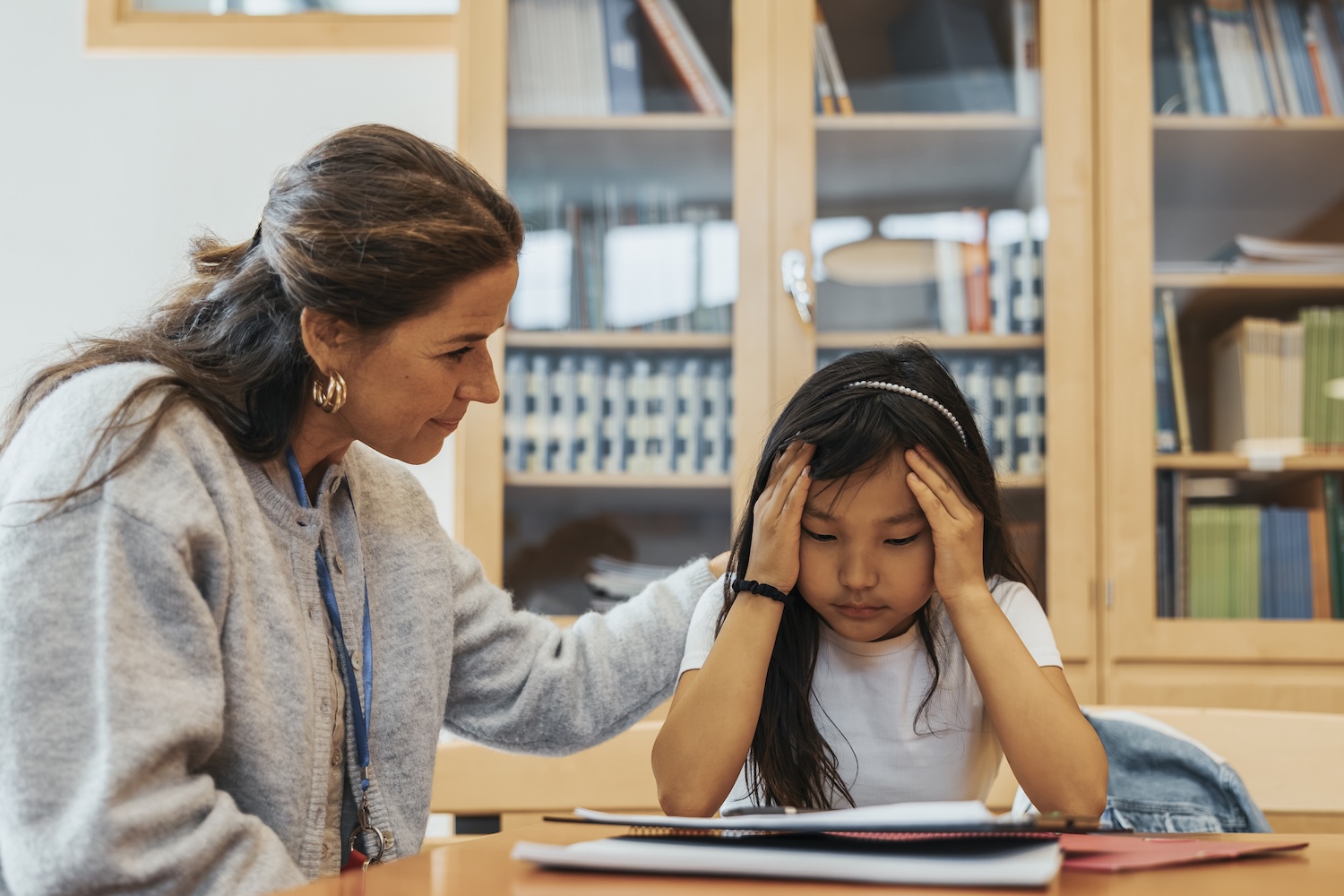
Stress in kids and teens doesn’t always look like stress. Instead, it often shows up in two main ways: externalizing or internalizing behaviors.
Externalizing behaviors
Fight mode, also referred to as externalized behavior, can look like increased anger, a lot of arguments, and temper tantrums. Parents might mistake this behavior as “typical” for their child’s age, but the reality is that stress could be playing a major factor.
Internalizing behaviors
When a young person becomes more withdrawn, including isolation, spending excessive time alone, device addiction, and dissociation, parents might dismiss these behaviors as a part of growing up, but they could be a sign of overwhelm and stress.
What stresses kids out?
For younger children, stress is often tied to their environment and daily adjustments. This can include:
What stresses teenagers out?
Teenagers face stressors often centered around identity and life transitions. Esparza says that during adolescence, teens are trying to answer big questions, including “Who am I?” and “Where do I belong?”
“This stage of self-discovery, combined with academic pressure, social dynamics, and future planning, can create significant stress,” Esparza says.
When is stress a problem?
Not all stress is bad, as some stress is necessary for growth and motivation. However, stress becomes a concern when it starts interfering with daily life. Esparza says that warning signs include:

How parents can help
When stress impacts a young person’s day-to-day functioning, there are several steps parents can take at home:
Prioritize communication and quality time
Regular check-ins with your child help enhance positive family dynamics. Esparza says questions like “How was your day?” “Is there anything worrying you?” and “How can I support you this week?” can open the door to deeper conversations, which could lead to more quality time. When children feel heard, it creates an environment of safety and support.
Assess the home environment
Parental fights, financial stress, and negative family dynamics directly affect children. Even if parents are not directing their stress toward their children, kids and teens can take on the stress of their environment.
“Kids are incredibly smart and aware. Even if they don’t fully understand what’s happening, they can sense when something is off, especially at home,” Esparza says.
Addressing stressful home factors can make a meaningful difference in a child’s day-to-day life.
Connect with teachers
Talk to your child’s teachers to see if they have noticed any changes in behavior, which can provide valuable insight.
Youth therapy
If stress becomes overwhelming or persistent, professional support may be helpful. Individual therapy or group youth therapy teaches children how to recognize and express their emotions, which provides a safe environment to express thoughts and feelings.
Coping in healthy ways
How children cope with stress matters just as much as the stress itself. Unhealthy coping skills can include:
Healthy coping skills can include: