
LAWRENCE – Researchers in the University of Kansas School of Social Welfare have updated training materials that prepare health care providers to prevent, identify and treat substance use disorders across Kansas.
SBIRT — Screening, Brief Intervention and Referral to Treatment — is an evidence-based approach to talking with people about their substance use. A recently completed project, Enhancing SBIRT through Provider Workforce Development in Kansas, prepares Kansas nurses, doctors, social workers, behavioral health clinicians and other health care providers to have honest conversations with patients about risky drinking or drug use.
Removing stigma and having those conversations early and often can help prevent future health complications, said Christina Boyd, project co-director and associate professor of the practice in the KU School of Social Welfare.
“The training is about helping people to understand that we can intervene much earlier in the process and hopefully prevent a lot of heartache down the line,” Boyd said.
Training aims to normalize conversations about substance use
The project updates SBIRT training to reflect current drinking guidelines and include enhanced best practices for intervention. Previous training materials were outdated following the National Institutes of Health’s 2020 update to its guidelines on low-risk drinking.
Providers can use SBIRT when talking with patients about multiple substances, including opioids. On average, 217 people died each day from an opioid overdose in 2023, according to a report from the Centers for Disease Control and Prevention. In Kansas, drug-related overdose deaths peaked in 2023 before beginning to decline in the past two years, according to CDC data.
“It really is about reducing risk — risk of first use, risk of impact if someone is using a substance, and then the ultimate prevention is prevention of death,” Boyd said.
Licensed health care providers in Kansas who bill for SBIRT services are required to complete the training. In addition to updating materials to align with current health guidelines, the Enhancing SBIRT project focuses on using nonjudgmental language.
“The idea of SBIRT is to make talking about substance use and its impact on your health a regular part of the conversation that you have with your health care provider every year,” said Michelle Levy, project director and research project director in the KU School of Social Welfare.
“It normalizes that conversation and gets information to people so they can make an informed decision about whether they might want to make a change that reduces their risk,” Levy said.
Boyd and Levy received a $140,400 grant to update training materials and promote them to health care providers. Funding for the project was provided by a grant approved and awarded by the Kansas Fights Addiction Grant Review Board, with grant administration support from the Sunflower Foundation: Healthcare for Kansans.
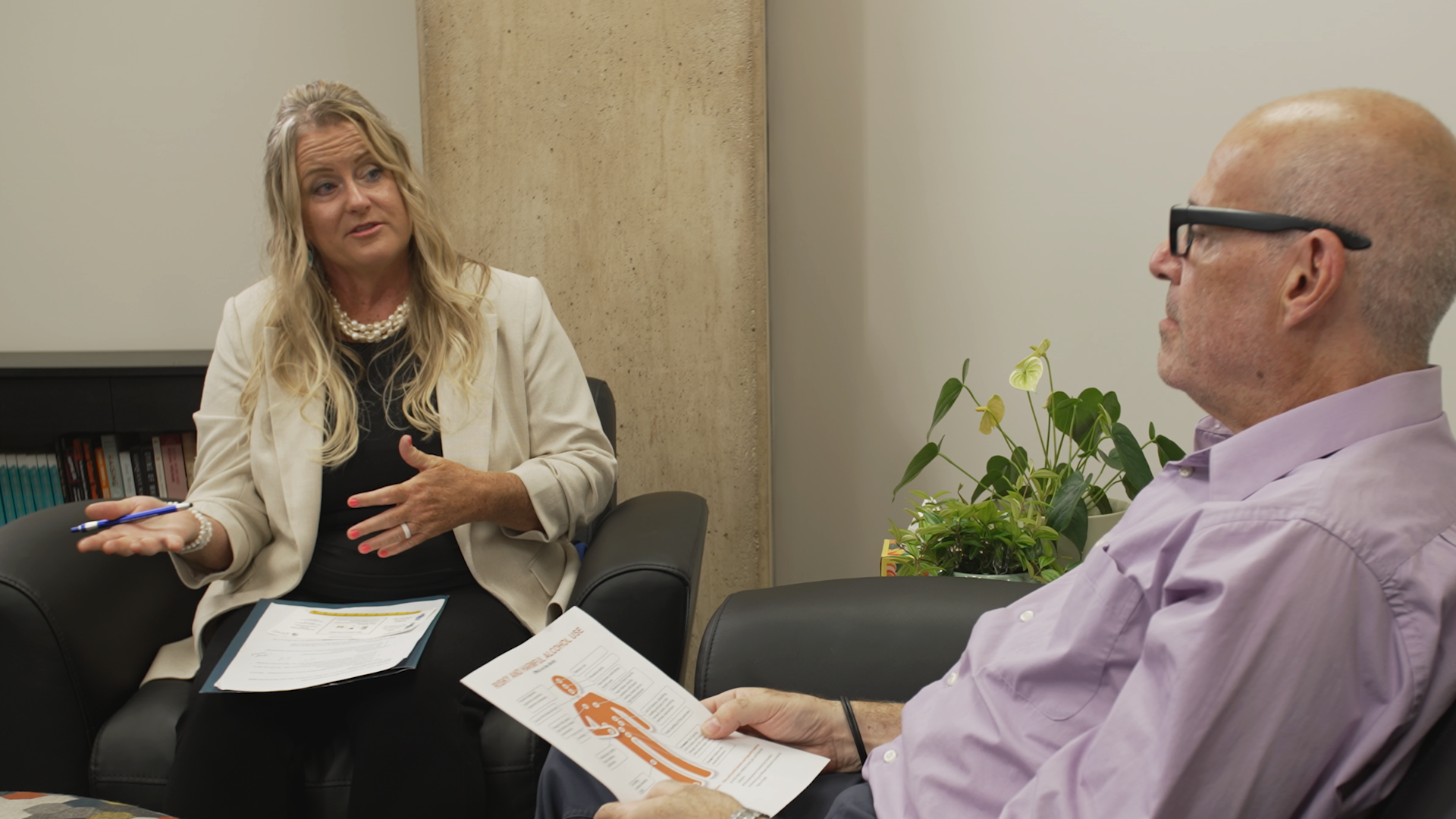 Materials include a video refresher course for providers who completed the previous SBIRT training, an updated training course and video series.‘Nuts-and-bolts’ training tools for Kansas health providers
The project team expects the updated training to reach more than 8,500 Kansas workers in health and behavioral service systems. The workforce audience includes community mental health centers, certified community behavioral health clinics and federally qualified health centers – Kansas safety net providers that serve nearly a half-million Kansans each year.
Additional audiences include primary medical care practices, rural health centers and schools.
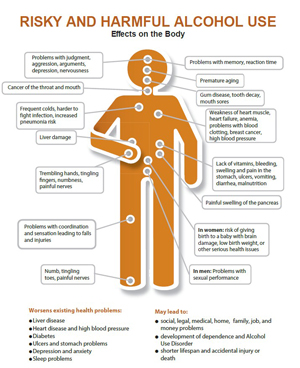 Substance use awareness tools are part of the updated SBIRT training materials. Source: SBIRT.care
Master of Social Work students in the Integrated Health Scholars Program at the KU School of Social Welfare were among the first to complete the new training and test an updated alcohol use intervention tool during a collaborative training with KU Pharmacy students in March 2026.
Training, videos and resources are available online at SBIRT.care. The website is a partnership between the KU School of Social Welfare and the University of Missouri-Kansas City School of Nursing and Health Studies.
Materials include a video refresher course for providers who completed the previous SBIRT training, an updated training course and video series, and downloadable screening and intervention tools for providers to use in conversations with people they serve.
“These are tangible, nuts-and-bolts tools that they can use right away,” Boyd said.
Training and resources are free. Licensed providers in several disciplines can pay a small fee and earn continuing education credits by completing the training. For more information, contact Levy at mlevy@ku.edu or Boyd at christinab@ku.edu.
About the research project: Enhancing SBIRT through Provider Workforce Development in KansasWhat does SBIRT stand for?SBIRT is Screening, Brief Intervention and Referral to Treatment.What does this training do?SBIRT is an evidence-based approach to talking with people about their substance use. The new training reflects current drinking guidelines and includes best practices for providing trauma-informed, culturally appropriate screening and brief intervention.Who is this training for?Licensed Kansas health care providers who bill for SBIRT services are required to complete the training. That includes doctors, nurses, social workers, behavioral health clinicians, dentists, counselors and other professionals.SBIRT materials may also be used in settings that don’t bill for services, such as schools.How does this project impact Kansans?Project directors Christina Boyd and Michelle Levy estimate that the updated training will reach more than 8,500 Kansas workers in health and behavioral service systems.The goal is to provide early prevention and increase space for honest conversations about substance use.“It’s about being able to look at this through a prevention lens. It’s recognizing that substance use impacts so many aspects of people’s wellness, and that we have to be able to create environments where people can talk to us and be honest,” Boyd said.