

Listen to this article
Estimated 4 minutes
The audio version of this article is generated by AI-based technology. Mispronunciations can occur. We are working with our partners to continually review and improve the results.
Gerry Friesen, a “recovering farmer,” knows farming is tough.
The job isn’t only physically exhausting — external pressures such as volatile weather and tariffs can be mentally daunting.
Friesen farmed in southwestern Manitoba for decades, and the pressures eventually took a toll.
“As a farmer, I go to bed at night knowing I’ve taken care of my business as best as possible,” he said. “But, I have no idea what’s going to hit me from outside of my control tomorrow morning.”
Friesen has been working for decades to break the silence around mental health in agriculture.
He is part of the upcoming Mental Health on the Prairies conference, which is happening at Brandon University this Wednesday to Friday. Friesen will be sharing his journey of navigating a diagnosis of anxiety and depression 22 years ago.
He said he started talking publicly about his experiences when it was a taboo subject and few resources were available.
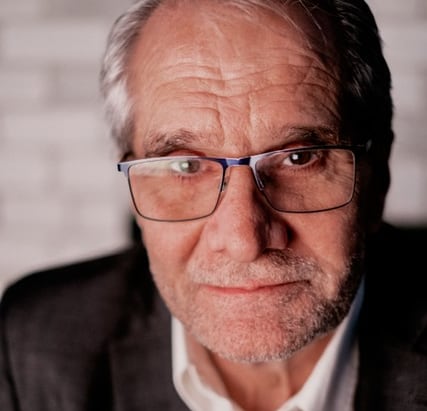 Gerry Friesen, the Manitoba Farmer Wellness Program’s co-founder, often shares his story of recovering from depression and anxiety to show others it’s OK to ask for help. (Submitted by Gerry Friesen)
“I’ve learned things, you know — what I went through and how I’ve been in recovery,” Friesen said. “I had to work my way through that in spite of the stressors from the farm still being there.”
Friesen, who co-founded the Manitoba Farmer Wellness Program, and others in the agriculture industry are calling for more conversations and actions around mental health.
Tracy Young of Brandon University’s Centre for Critical Studies of Rural Mental Health is hosting the conference. She says while rural mental health encompasses many demographics, a big piece is farmers, along with Indigenous communities and youth.
Young says rural residents face unique barriers when it comes to mental health support access, including proximity to services, wait times and social determinants of health — such as poverty — that change their overall risk factors.
 Tracy Young of Brandon University’s Centre for Critical Studies of Rural Mental Health says rural communities face specific barriers such as proximity to services. (Tracy Young)
Young has been working in rural communities for about 25 years. She started as the field was beginning to see reform, as mental health access and conversations became more open and supported in communities.
“Over the years, I have seen people say, ‘Well, yeah, this is a community concept,’” Young said. “‘It’s for all of us.’ And I do think that is getting better.”
The conference is intended to share knowledge and bring together agencies, service providers and community members with people who have questions, policymakers, those with lived experience of mental health, and others.
But, Young said, there is still a long way to go.
She says the conference is part of an ongoing push to remove stigma and invite people to talk about mental health. Young wants the conference, which is open to everyone, to bring people together so they can leave feeling empowered and ready to tackle adversity.
“There’s this sort of collective hope that we can create out of a conference that is also about blending community and institution,” she said.
Friesen says one of the biggest challenges remaining in rural communities is overcoming the stigma of reaching out for help, especially in agriculture.
His organization does that by talking with farmers, along with organizations — growing provincially and nationally — that provide resources and encourage conversations.
Friesen’s goal is to ensure every Manitoba farmer knows about the farmer wellness program.
That means pounding the pavement, telling stories and engaging people.
“Keep on normalizing the fact that it’s OK not to be OK. It’s … more than OK to reach out for help,” Friesen said. “There is hope, and there is relief.”