
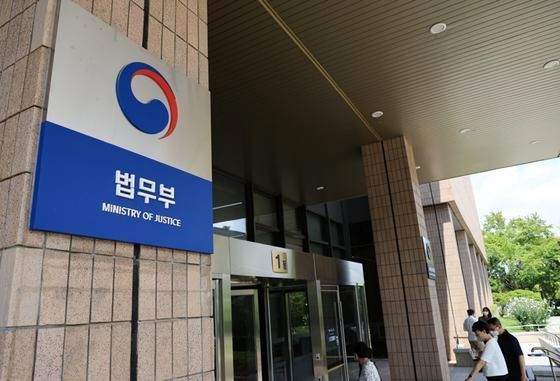
The Ministry of Justice headquarters at Government Complex Gwacheon / Yonhap
Faced with a surging mental health crisis and a chronic shortage of specialized doctors, the Ministry of Justice is launching its first telemedicine program within the nation’s juvenile reformatories.
The pilot program, which officially began this month at the Anyang and Daejeon juvenile centers, marks a significant shift in how the state manages the medical needs of its most vulnerable detainees. The initiative arrives as the proportion of youth inmates diagnosed with mental illnesses has climbed dramatically, rising from roughly 33 percent in 2021 to nearly 50 percent last year.
For decades, providing consistent psychiatric care in these facilities has been hampered by a lack of resident specialists. Under the new system, the ministry established a dedicated video link between the centers and Eumseong Somang Hospital, a facility in North Chungcheong Province specializing in mental health. This real-time interface allows for diagnosis and the immediate issuance of prescriptions, bypassing the logistical hurdles of transporting the minors.
“In the past, it would take two to three hours to visit an outside hospital for psychiatric treatment,” said Lee Chun-hee, an official at the Anyang Juvenile Center. “Now, we can provide real-time examinations and prescriptions within the facility.”
The system is built on a secure private network to protect the medical data and privacy of the minors, with independent treatment rooms designed to ensure confidentiality during consultations. While the pilot currently focuses on twice-monthly psychiatric sessions, officials view it as a blueprint for a broader digital health infrastructure.
Justice Minister Jung Sung-ho described the move as a “turning point” in providing equitable medical care to incarcerated youth. The ministry plans to analyze the results of the pilot before expanding remote medical services to juvenile facilities nationwide, a move that could redefine the standard of care in the country’s correctional system.
This article was published with the assistance of generative AI and edited by The Korea Times.