
Colliding financial challenges have resulted in proposed changes to operations within Santa Rosa’s crisis response team, which assists with nonviolent mental health and homelessness calls.
InRESPONSE has been funded by one-time grants and regional and federal dollars since launching in 2022, including a $3 million one-time appropriation from the county that helped keep the program afloat this year.
But funding from Sonoma County Health Services is anticipated to be cut by about half under a proposed three-year funding agreement as officials there prepare to wind down spending from a countywide sales tax that supports mental health, substance use and homeless services.
The funding reduction comes amid another tight budget year at Santa Rosa City Hall, where department heads were directed to maintain flat budgets as payroll and other costs continue to outpace sluggish revenues, leaving less money to sustain the program.
A preliminary budget presented to the City Council in early May calls for eliminating six single-role paramedics on the team, which has 24 positions in all and total annual budget of $3.1 million.
Police Chief John Cregan said the funding deal with the county will allow InRESPONSE to continue focusing on its primary purpose of serving those in crisis and maintain round-the-clock operations with a two-person mobile team and a group of navigators that provide wrap-around services.
“The InRESPONSE team provides our city with the best-trained resources to respond to those in need of mental health services,” he said in a statement, adding that the team “will remain focused on this core mission of prioritizing a rapid response to those experiencing a mental health crisis and addressing the needs in our unsheltered community.”
Discussions ongoing since last year
Santa Rosa’s program emerged in 2020 amid a local and national push for police reform and rising calls for expanded mental health and homeless services.
The program has been singled out as a model civilian response team both in Sonoma County and statewide, in part because the team includes licensed behavioral health clinicians provided by Sonoma County Health Services and paramedics instead of lesser-trained emergency medical technicians.
Beth Schlanker / The Press Democrat file
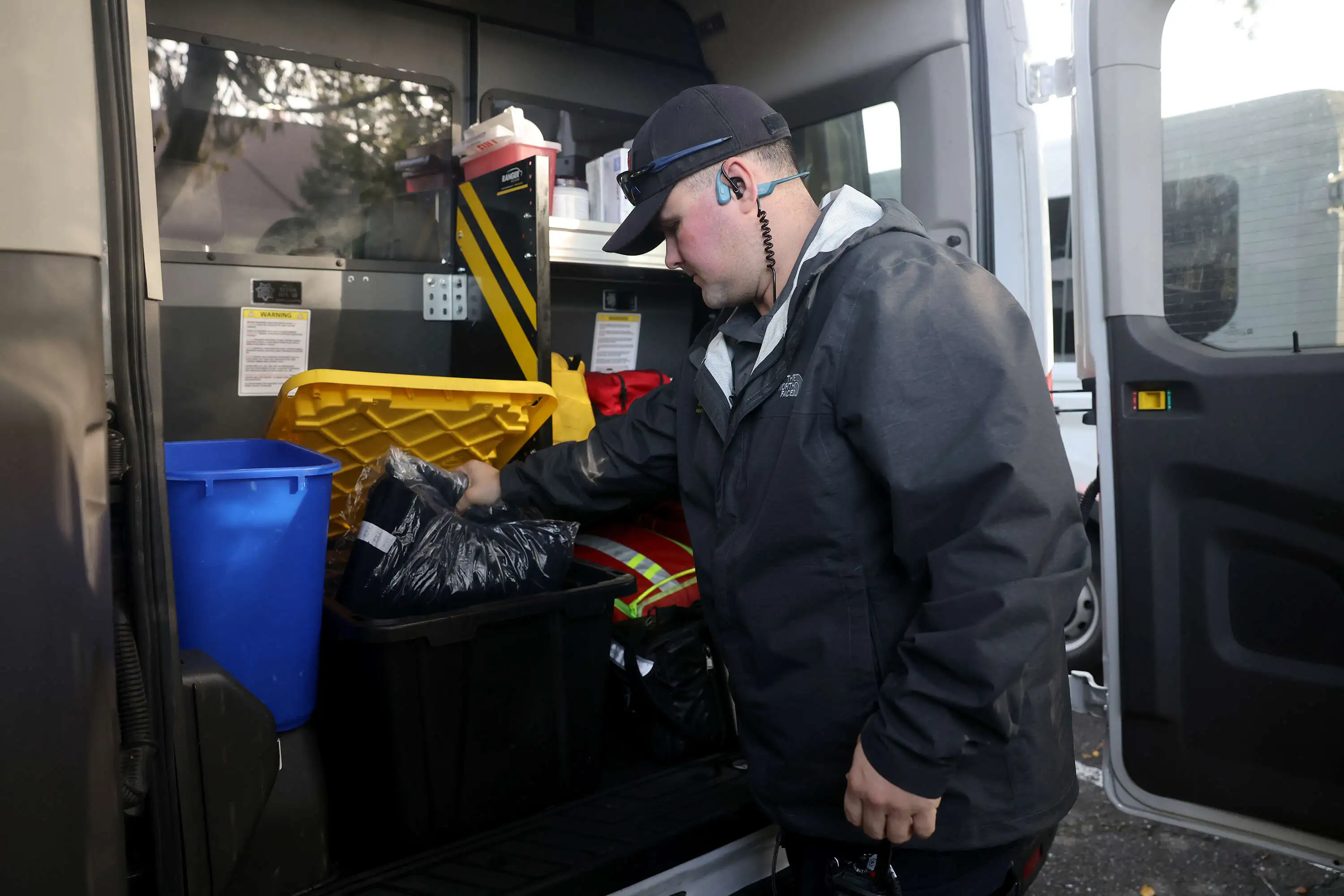
inRESPONSE Mental Health Support Team member Cavan Nelson, an engagement specialist from Catholic Charities, opens a bin containing new clothes for clients in Santa Rosa Wednesday, Dec. 18, 2024. (Beth Schlanker / The Press Democrat file)
Beth Schlanker / The Press Democrat file
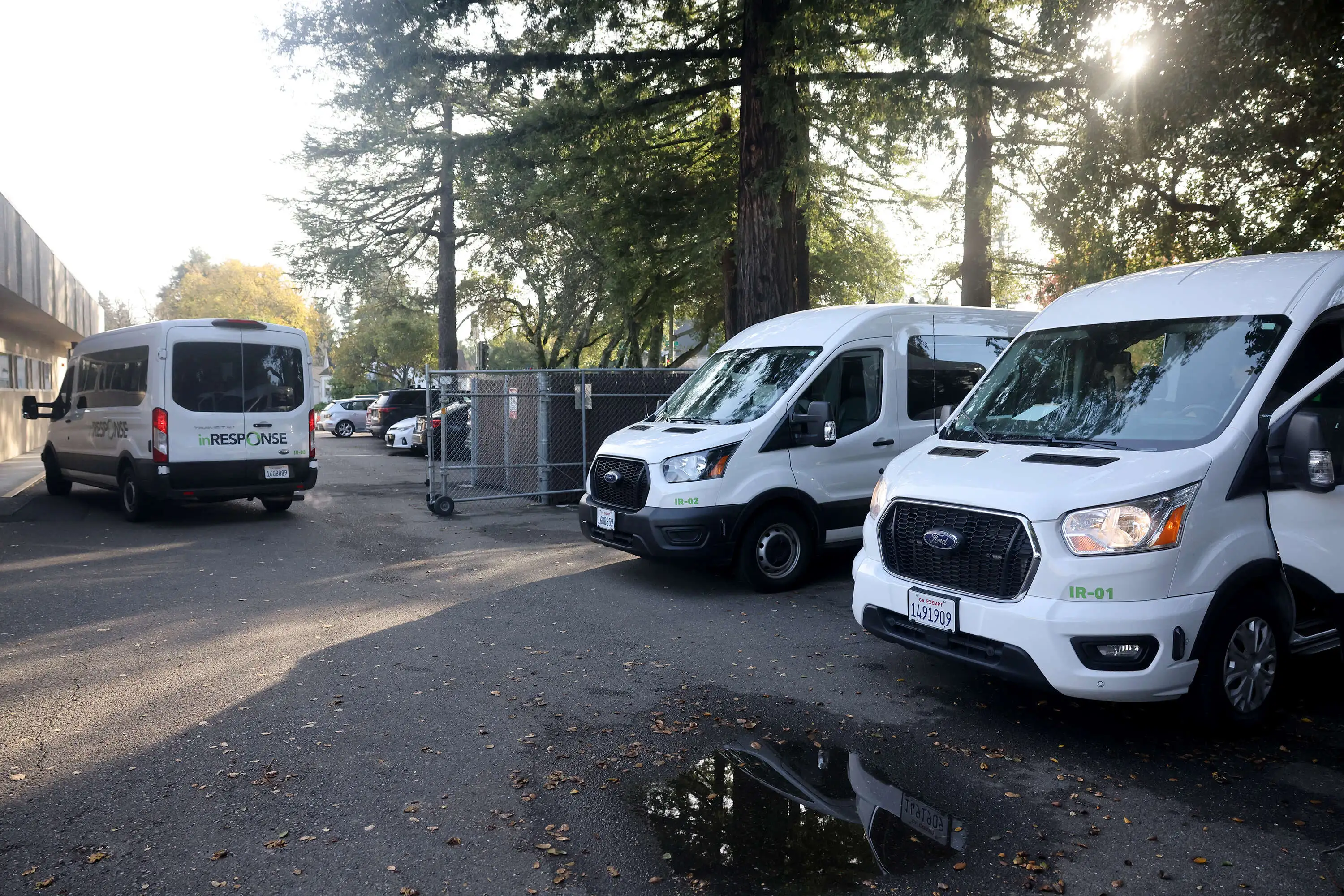
A inRESPONSE Mental Health Support Team heads to a call in Santa Rosa Wednesday, Dec. 18, 2024. (Beth Schlanker / The Press Democrat file)
Beth Schlanker / The Press Democrat
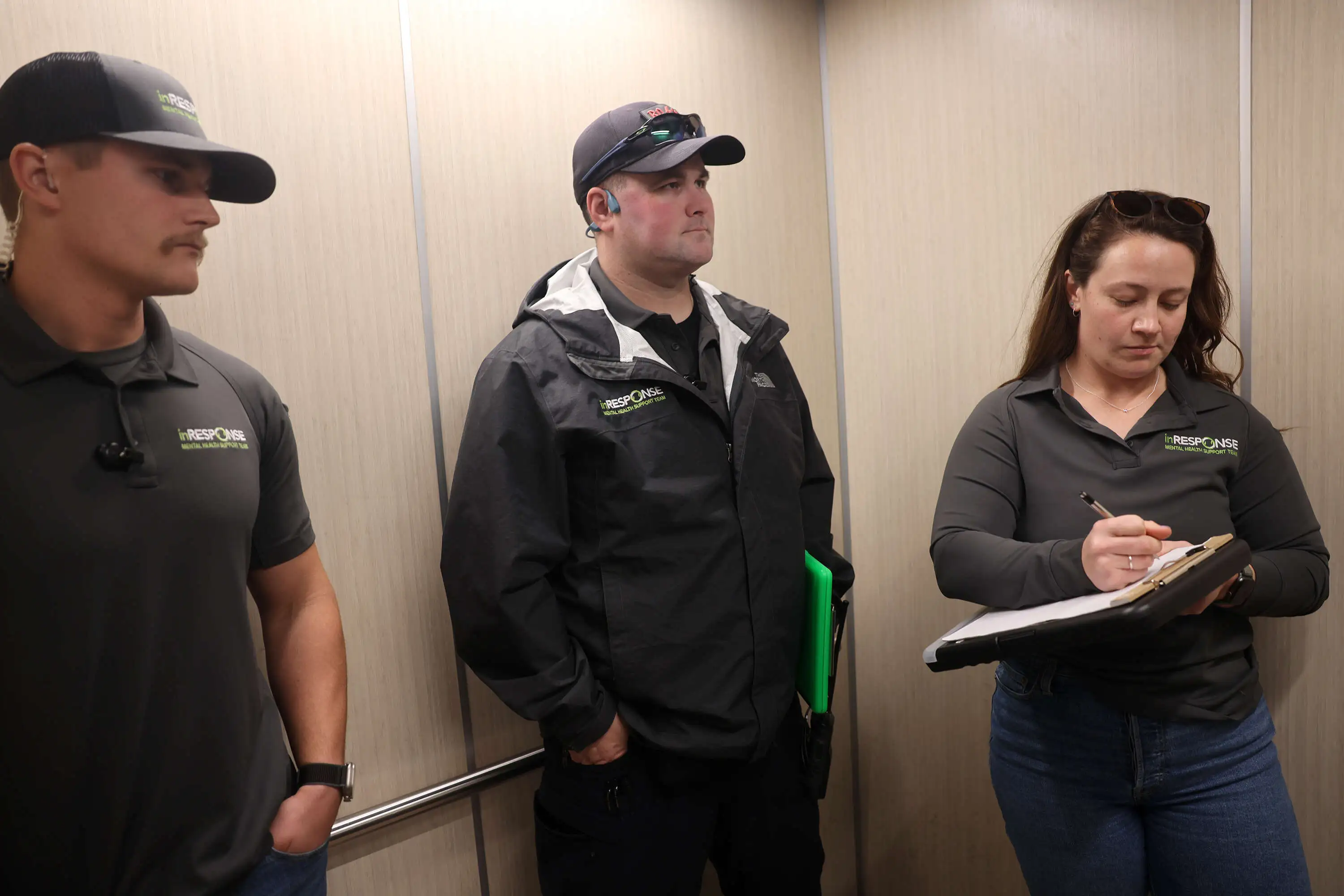
(From left) inRESPONSE Mental Health Support Team members Seth Glover, a Santa Rosa Fire paramedic, Cavan Nelson, an engagement specialist from Catholic Charities, and Mariah King, a Sonoma County Behavioral Health Clinician, ride the elevator as they respond to a call at Caritas Homes in Santa Rosa Wednesday, Dec. 18, 2024. (Beth Schlanker / The Press Democrat)
The Press Democrat file
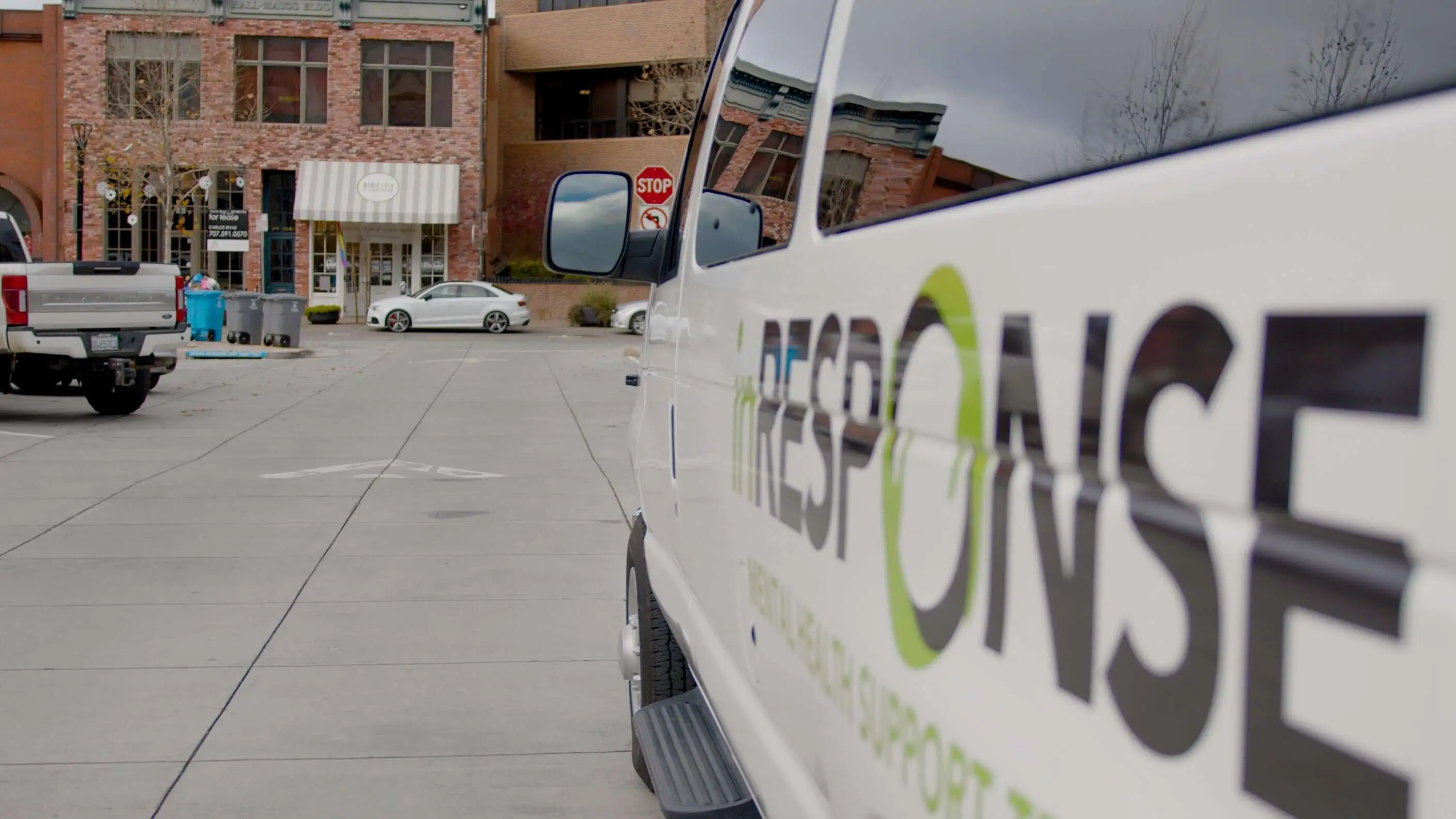
Santa Rosa’s inRESPONSE van. (The Press Democrat file)
Beth Schlanker / The Press Democrat
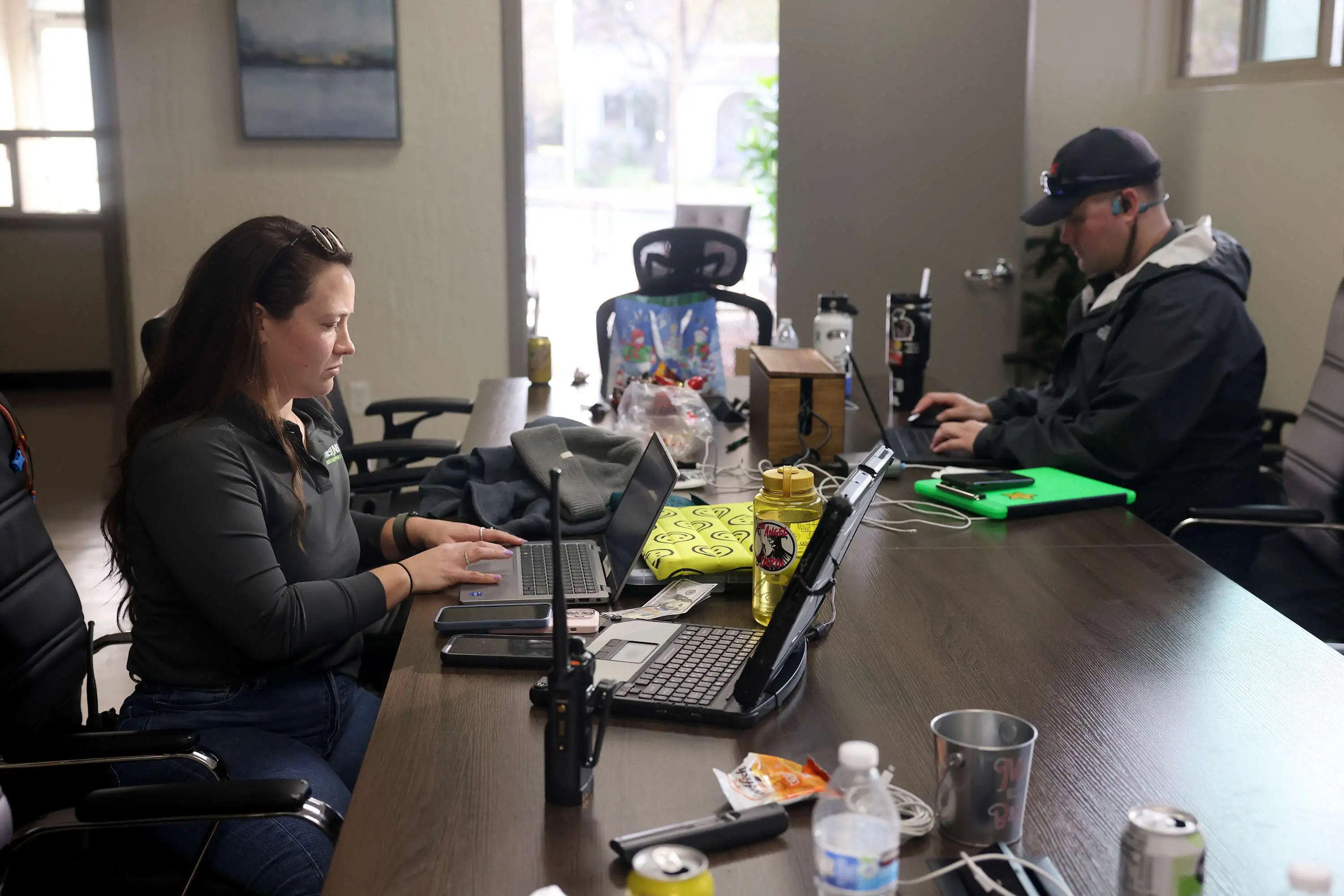
inRESPONSE Mental Health Support Team members Mariah King, a Sonoma County Behavioral Health Clinician, and Cavan Nelson, an engagement specialist from Catholic Charities, review and evaluate incoming calls at their office in Santa Rosa Wednesday, Dec. 18, 2024. (Beth Schlanker / The Press Democrat)
Show Caption
Beth Schlanker / The Press Democrat file
1 of 5
inRESPONSE Mental Health Support Team member Cavan Nelson, an engagement specialist from Catholic Charities, opens a bin containing new clothes for clients in Santa Rosa Wednesday, Dec. 18, 2024. (Beth Schlanker / The Press Democrat file)
The team also includes outreach specialists from Catholic Charities and system navigators with Buckelew Programs who help people more easily navigate local behavioral health systems and access other follow-up care such as shelter or medical services.
InRESPONSE initially operated 10 hours a day but expanded to a 24-hour model in December 2024, a long-anticipated step that filled overnight gaps in crisis services.
Cregan, in his statement, said the team responded to just shy of 6,000 calls for service in 2025 where care, not law enforcement, was a more appropriate intervention. Diverting calls away from police also has helped free up officers to respond to other public safety needs, he said.
The program is on track to surpass 6,000 calls for service in 2026.
The annual cost has been covered by a mix of funding, including money from the pandemic-era American Rescue Plan Act.
That funding expired at the end of 2024, but Sonoma County committed about $4.5 million over the past two years from Measure O, the countywide quarter-cent sales tax approved by voters in 2020 for mental health and substance use programs, to help bridge the gap.
Cregan last year had sought a long-term funding commitment, but the city and county weren’t able to come to an agreement on the funding amount.
Discussions have continued.
Nolan Sullivan, director of the county’s Department of Health Services, said the agency last year held off on agreeing to a multiyear deal as officials considered how to fund InRESPONSE and other crisis teams in future years and sought ways to augment local funding.
Expanding the crisis teams to 24-hour operations, along with increased payroll costs and other expenses, has dramatically ramped up costs, he said, which has put a strain on available money.
Sullivan said Measure O generates about $30 million annually but the fund balance is projected to be zeroed out in the coming years with the tax set to expire in 2031. Allocating additional funding to existing programs, such as the crisis teams, or funding new projects will mean having to cut elsewhere, he said.
His large department and others at the county also face cuts because of reductions in state and federal dollars.
“It’s not that we don’t want to fund it or support the programs but costs are escalating,” he said. “We’re trying to be good partners, but the pot is only so deep.”
Sonoma County
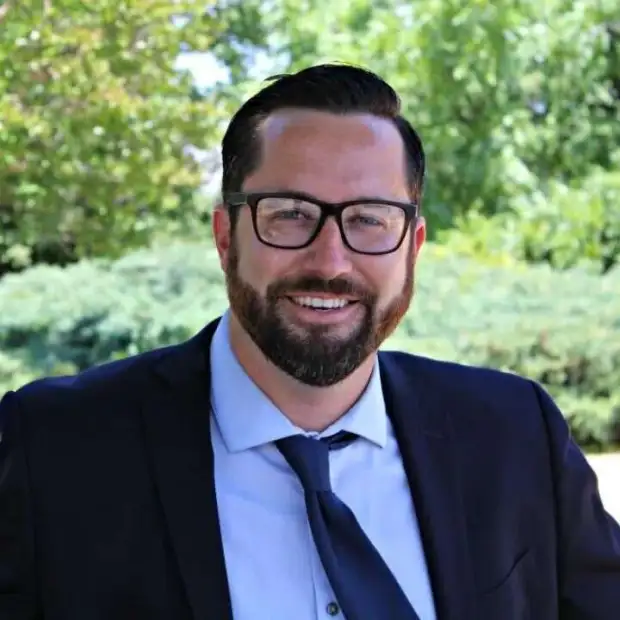
Sonoma County Health Services Director Nolan Sullivan. (Sonoma County)
The current proposal would set aside $4.6 million for InRESPONSE over the next three fiscal years. It’s up to Santa Rosa officials how they allocate the funding over the term of the agreement, Sullivan said.
The county will continue to provide the behavioral health clinicians at no cost to the city — an in-kind contribution pegged at about $1.3 million, he said.
A similar three-year deal between the county and officials with the SAFE Team, which serves southern Sonoma County, also is in the works.
Team preparing for change
Figures presented to the City Council during the May 5 budget hearing showed that the city plans to allocate $1.6 million to InRESPONSE in 2026-27 and $1.5 million in the following years, equating to about half the current annual budget.
The preliminary budget didn’t include any additional funding from the general fund, which faces a $17.5 million deficit. City administrators have proposed closing that gap through a combination of savings from pension reform, cuts to vacant positions and by tapping reserves.
The reduced funding would cover contracts with service providers for the outreach workers and system navigators, as well as vehicle and maintenance costs and the lease on the program’s Sonoma Avenue office.
But it would result in the elimination of three existing and three vacant paramedic positions in the program.
Cregan told the council during the meeting that city administrators last year froze the three vacant positions anticipating that funding would be reduced to avoid additional layoffs. The team has been preparing for this potential transition since the fall, he said.
Christopher Chung / The Press Democrat file
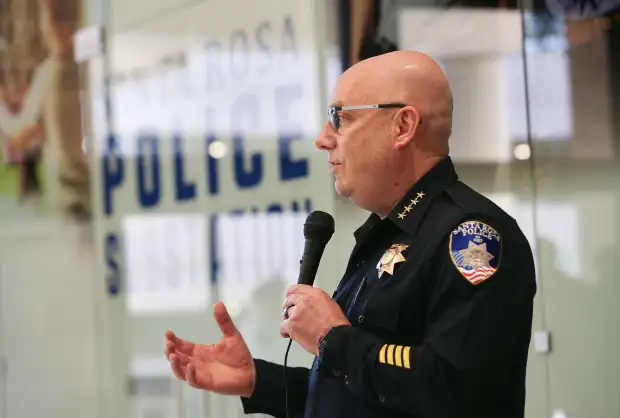
Santa Rosa Police Chief John Cregan speaks during a ceremony to officially open the new downtown substation inside Santa Rosa Plaza in Santa Rosa Tuesday, April 8, 2025. (Christopher Chung / The Press Democrat file)
Some InRESPONSE squads have been responding to calls without a paramedic, who have historically focused on addressing physical health needs during calls and can call for an ambulance without triggering a larger fire department response.
It wasn’t immediately clear what share of the total annual calls for service required paramedic aid.
The city initially declined several attempts over the past two weeks to interview city administrators about the budget fallout for InRESPONSE. City Hall canceled a scheduled interview with Cregan. City Hall spokesperson Misti Wood on Tuesday said the city would not make staff available for interviews about the budget before the council adopts the spending plan on June 16, citing what she described as a general practice of not commenting on pending policy decisions ahead of council consideration.
The city doubled down on that stance Thursday before reversing course late Friday afternoon, after the newspaper’s deadline, offering interviews with the police and fire chief at a future date to discuss both the InRESPONSE changes as well as impacts to fire services with the end of a federal grant that funds 12 firefighters. Their positions are set to be absorbed in the budget.
Questions about long-term outlook
The three-year funding agreement for InRESPONSE must be approved by the City Council and the Sonoma County Board of Supervisors. That could happen as part of the budget process or as a separate item, said Sullivan, the county health services director.
The funding agreement is contingent on InRESPONSE getting certified to bill a portion of program costs to Medi-Cal, California’s version of the federal Medicaid program, by July 1.
Sullivan said this would help transition the crisis team away from relying on Measure O funding and toward a more sustainable, long-term funding source.
Cregan’s team and officials with Buckelew Programs have been working for months on the certification process, which is expected to be completed later this summer.
Beth Schlanker / The Press Democrat file
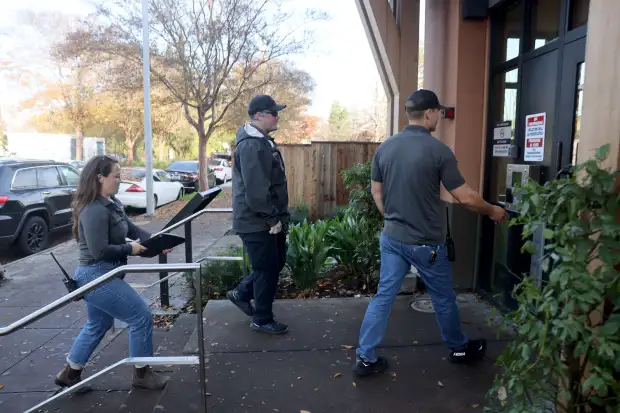
A inRESPONSE Mental Health Support Team responds to a call in Santa Rosa Wednesday, Dec. 18, 2024. (Beth Schlanker / The Press Democrat file)
Requirements include additional training, ensuring that people receive follow-up services within a certain time frame following the initial crisis call, meeting certain response times and stricter data collection, among others.
If approved, InRESPONSE would be able to be reimbursed up to about $4,000 per incident in which someone with Medi-Cal received care, Sullivan said.
Currently, only the county’s own Mobile Support Team receives Medi-Cal dollars.
However, that funding also is in jeopardy. Gov. Gavin Newsom in his revised budget released May 14 proposed eliminating state support for mobile crisis services, forcing counties to absorb more of the costs. Health officials have called on the Legislature to work with Newsom to reverse the cuts.
Sullivan said if the funding isn’t restored in the state budget he’s unsure how the local crisis teams will be funded, especially if Measure O is not renewed.
Officials, he said, are continuing to look for other funding options to sustain the programs. One option previously discussed includes working with private insurers to bill them for a portion of services.
You can reach Staff Writer Paulina Pineda at 707-521-5268 or paulina.pineda@pressdemocrat.com. On X (Twitter) @paulinapineda22.