
When Russian kamikaze drones swoop over the war-torn village of Kysylivka in southern Ukraine, Iryna Volodkovych, a pensioner, waits until the all-clear and then screams into the night air.
“I go out and shout so loudly that the whole neighbourhood can hear,” she said. “‘You idiotic Russians! When will this all end?’ I yell. Then I go back into the house and look at myself in the mirror and say, ‘You’ll get through this, granny. You can do it. Don’t lose heart.’”
When asked if her outbursts helped her deal with the stress and fear of Russian attacks, Volodkovych shrugged.
“I don’t know,” she said, standing next to a bombed-out building. “But they give me the shakes. And so that’s what I do.”
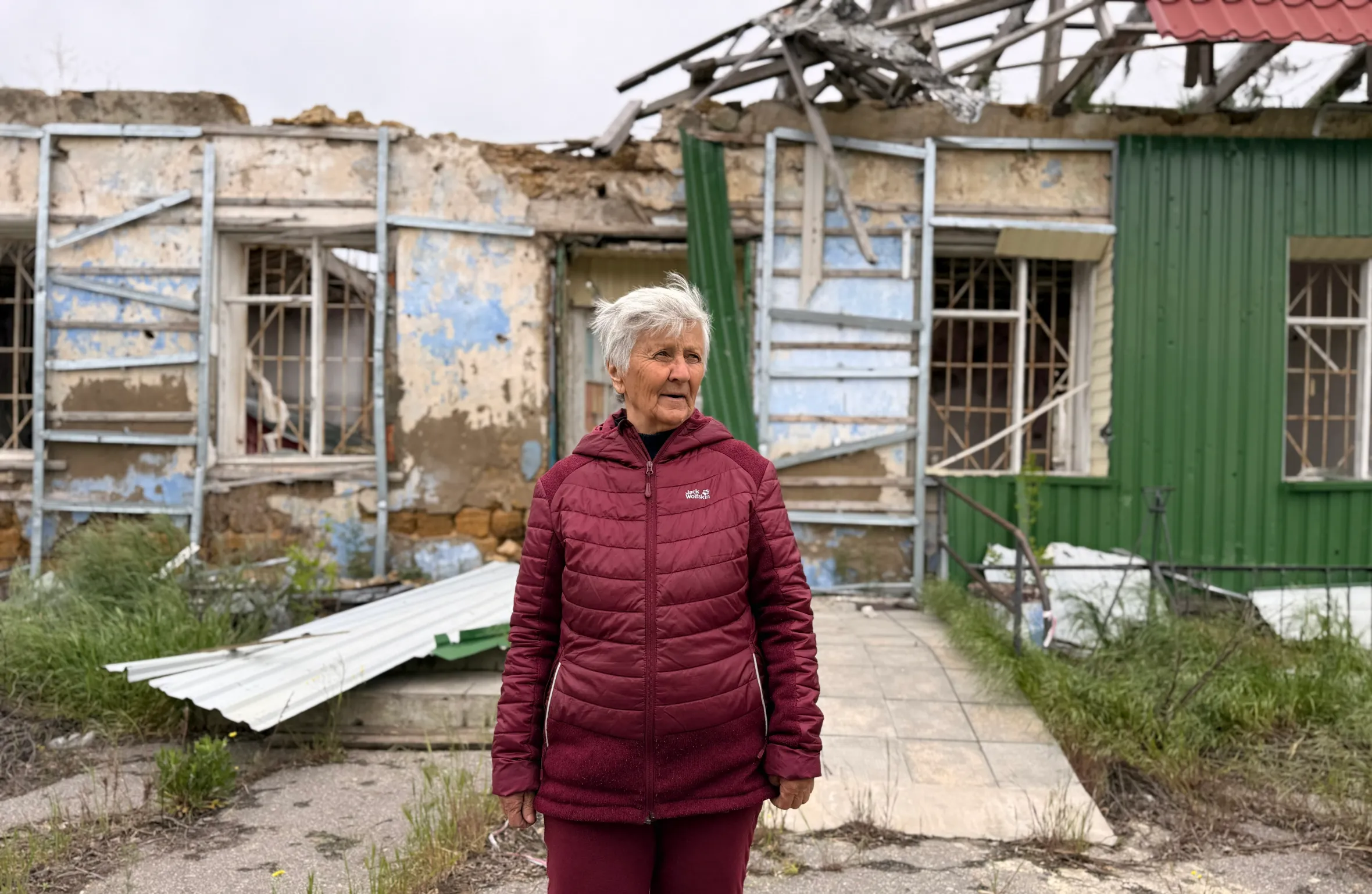 Iryna VolodkovychKateryna Malofieieva
Occupied briefly by President Putin’s invading troops in 2022, Kysylivka was liberated during a battle that destroyed or damaged almost every building in the village, including its school, church and main shop. Although locals have carried out some repairs on homes, the majority of the village’s infrastructure remains in ruins.
Olha, who fled to the nearby city of Mykolaiv at the start of the war but returned to Kysylivka after Russian forces were driven out, said: “We aren’t living, we are just existing. I try to motivate myself, but sometimes, of course, I open up and cry.”
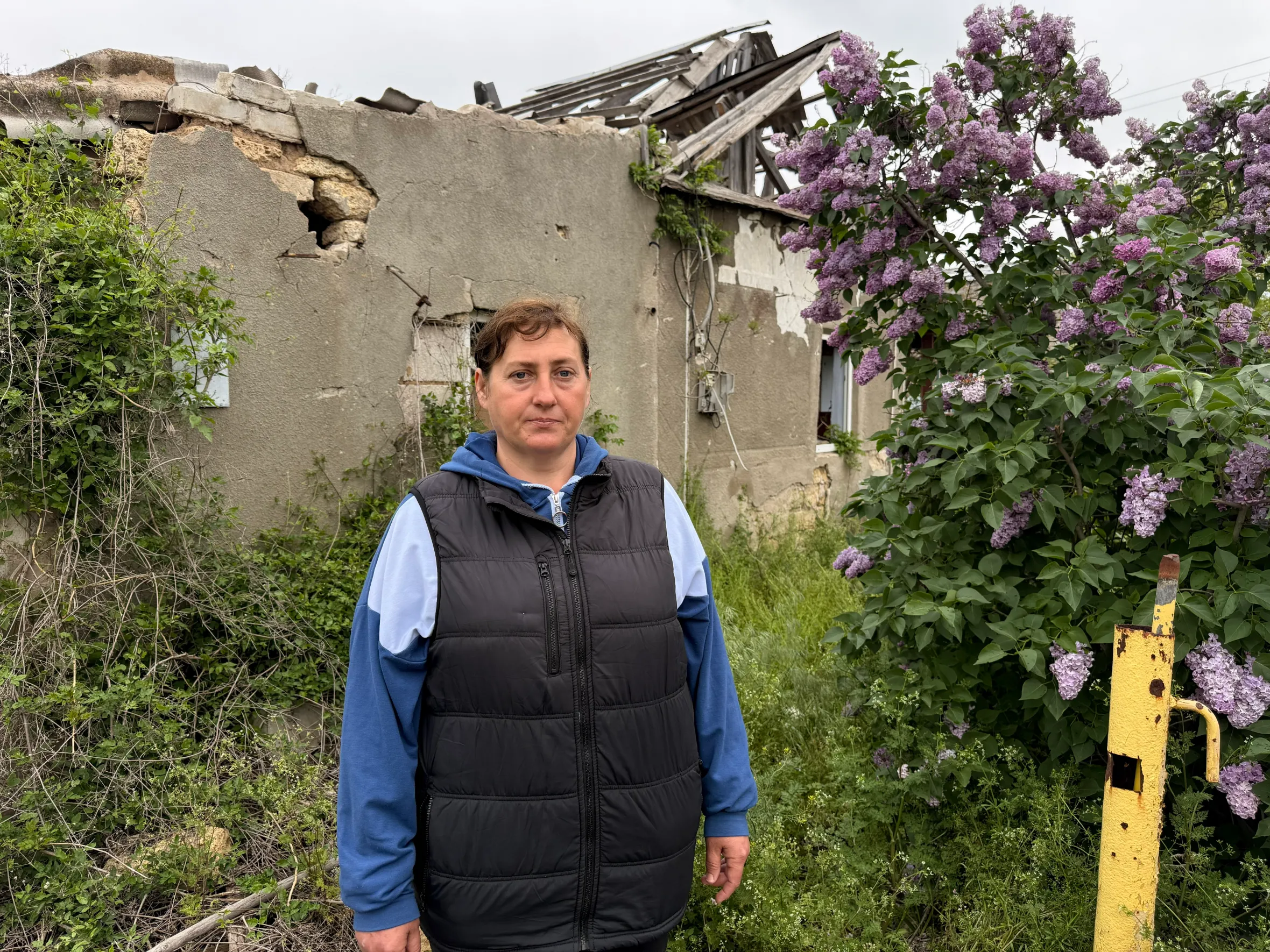 OlhaKateryna Malofieieva
Russia’s war in Ukraine has not only destroyed lives and homes. It has triggered a mental health crisis that is unprecedented in modern Europe. The International Rescue Committee (IRC) aid group has estimated that 15 million people in Ukraine, about half the wartime population, require psychological support.
The World Health Organisation has said that close to 70 per cent of Ukrainians have suffered from anxiety, depression or severe stress. It warned this month that the impact of the war on Ukraine’s mental health was likely to last “for generations”.
Dr Hazim Mostafa, the IRC’s mental health and psychosocial support specialist in Ukraine, said: “People in Ukraine are no longer seeking one-off crisis assistance — they require long-term, specialised care. Over the past year, we have seen a significant shift: the mental health burden is no longer concentrated among displaced people but is now deeply embedded across the entire population.”
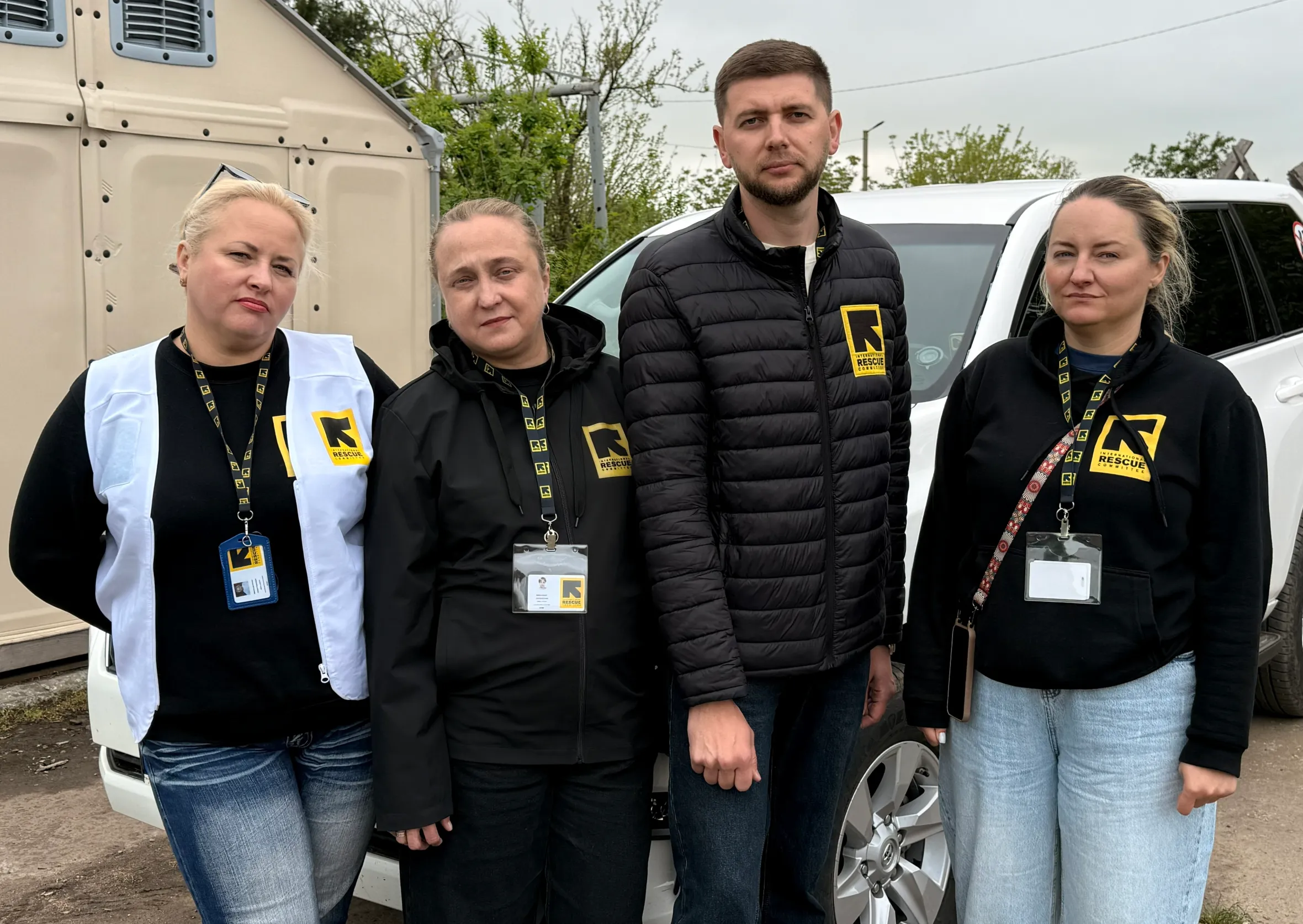 The International Rescue Committee unit for southern UkraineKateryna Malofieieva
The crisis has been exacerbated by sleep deprivation. Ukrainians have been sleeping on average 40 minutes less since the start of the war because of chronic stress caused by air raids, according to research cited by Bohdan Bozhuk, a mental health expert.
Although Kysylivka is about 30 miles from Russian troops who have dug in on the other side of the Dnipro River, there is little relief for its war-weary residents.
Aside from drone attacks, mines and other explosive devices litter the surrounding countryside and the village has no electricity or drinking water. Only 300 people out of a prewar population of about 800 remain.
Inna Honchar, a senior health manager for the IRC in southern Ukraine, said: “The fact that the active fighting [in Kysylivka] was around four years ago doesn’t change a lot from the perspective of mental health because in order to process the loss of your home, your people, our plans, your career and so on you need to be in a safe place. And right now, everyone is still in survival mode.”
As she spoke, an IRC mobile health unit held group therapy sessions for about a dozen villagers in a portable structure, while a psychiatrist saw patients in another building. “Everything is pounding inside of me because of the drones,” one woman said. Another, when asked how she dealt with stress, replied: “I pray.”
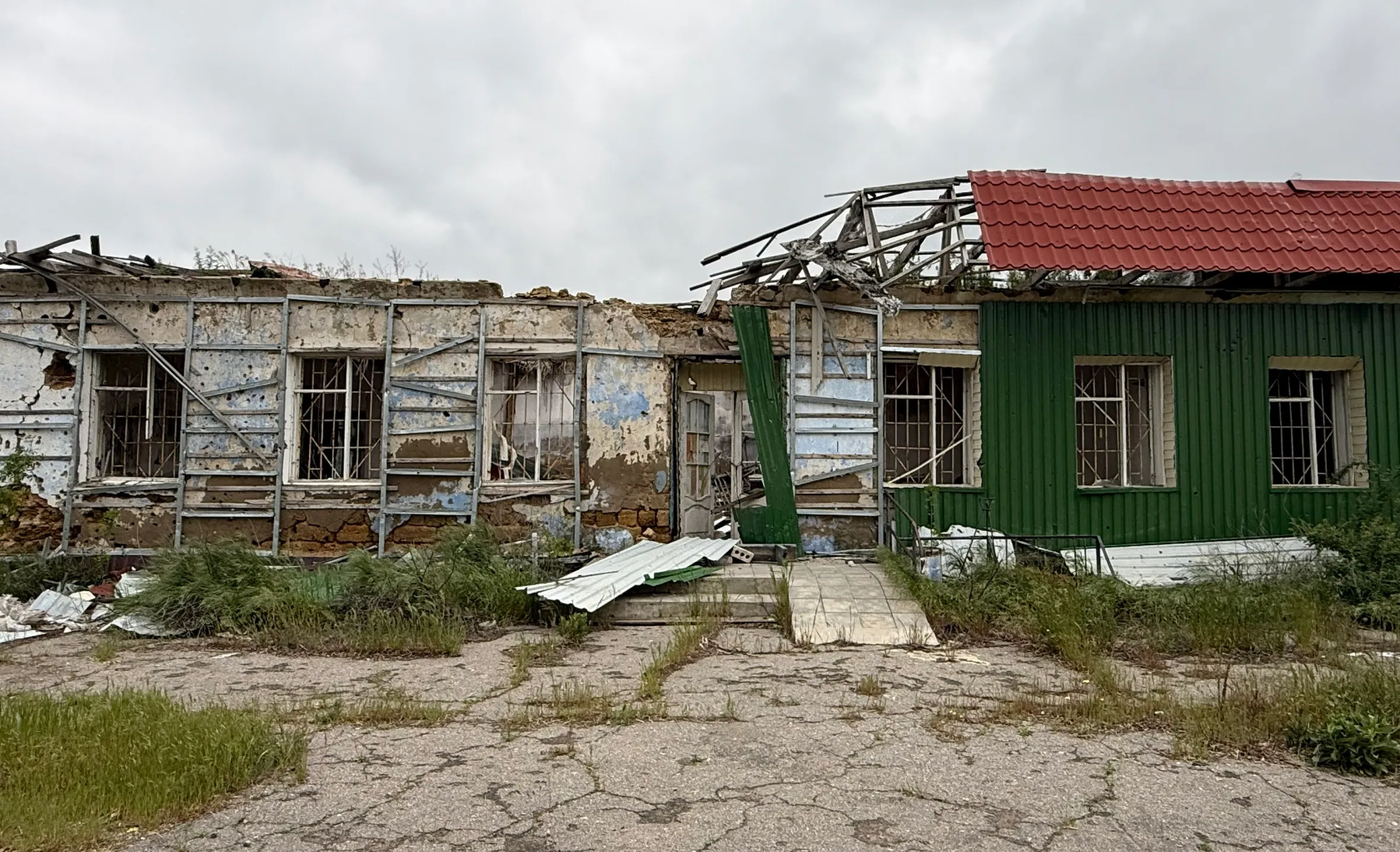 The ruins of a building in KysylivkaKateryna Malofieieva
For millions of Ukrainians the strain on their mental health has been aggravated by stalled peace talks and the lack of clarity about exactly how and when the war, the largest on the Continent since 1945, will end. Hopes that President Trump, who promised to resolve the fighting on his first full day in office, would bring an end to the war have been replaced by the grim prospect of an indefinite conflict. Marco Rubio, Trump’s secretary of state, said on Friday that US-brokered peace talks on the war between Kyiv and Moscow had been suspended indefinitely over a lack of progress.
Tetiana Ustinovych, a resident of Kysylivka who is employed by the Ukrainian state as a social welfare inspector, said: “They said it would be over in 2025 and we sat and waited for it to be over. But it did not end. We live in hope, what else can we do?”
Ivan Volko, the village elder, gazed at the rubble-strewn patch of land where his office used to stand and worried about the future. There are about 60 children in the village, but the majority have not been at school since before the pandemic. “We desperately need for the school to be rebuilt. But the local authorities don’t have that kind of money,” he said.
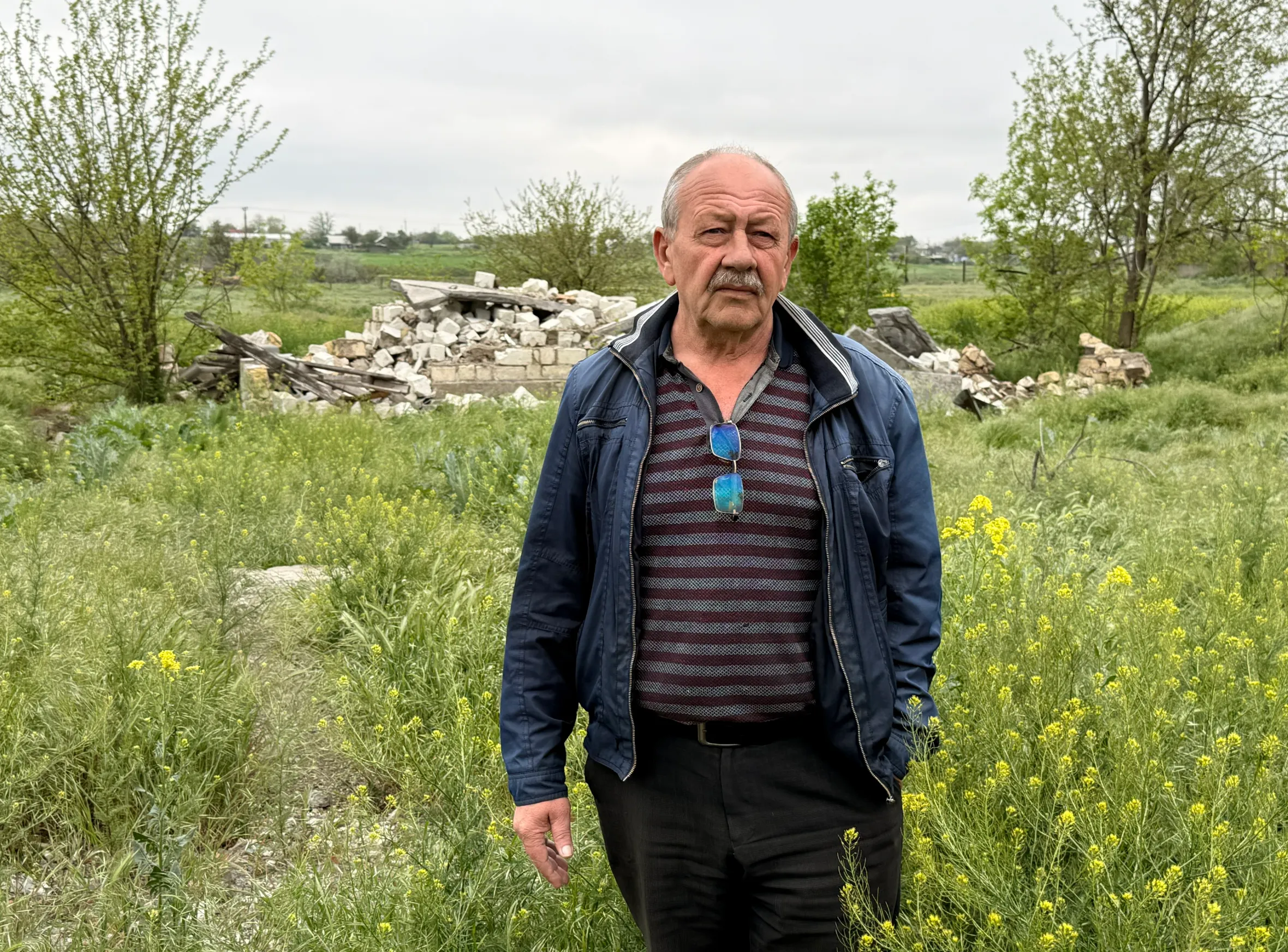 Ivan VolkoKateryna Malofieieva
President Zelensky said in February that “officially” 55,000 Ukrainian soldiers had been killed on the battlefield. However, he acknowledged that Ukraine had been unable to determine the fates of “a large number” of soldiers, and the true death toll is estimated to be up to three times as high.
In Odesa, Oleksandr Avanesov, a military psychologist who treats the wives and girlfriends of Ukrainian soldiers killed in action, said he tried to help his patients “reclaim themselves”. He said: “They understand that the person is gone, but they don’t accept it in their hearts. They continue to live as before. They forget about themselves completely, and after a while, they live with this grief as if it were the basis of their life.”
Consumed by misery, the bereaved women often wear their dead husband or boyfriend’s clothes, an act of devotion that Avanesov, a former soldier who was badly injured in the Donbas region, said was an obstacle to psychological recovery. Sometimes, he said, he was able to persuade them to hand over the item of clothing for safeguarding in exchange for another item, such as a T-shirt with a Ukrainian symbol.
“The exchange isn’t the main point. This is a psychological support programme aimed at helping the wife of a fallen warrior not to give up on her life,” he said, as he opened a cupboard to reveal the T-shirts and socks of dead soldiers.
War and peace newsletter
Tom Newton-Dunn’s concise guide to global conflict – with reasons for optimism.
Sign up with one click
The true scale of Ukraine’s mental health crisis might never be known. Despite some progress, many men, including soldiers, are still reluctant to seek psychological or psychiatric help. About one in every two Ukrainian soldiers, most of whom were civilians before Russia’s invasion, are estimated to be suffering from post-traumatic stress disorder, according to the US National Library of Medicine.
Oleksii Pranov, an IRC psychiatrist who was part of the organisation’s mobile team in Kysylivka, said: “Unfortunately, there is still a stigma among men, but it is declining, especially in places where we have been working for a long time. For example, a wife comes to see us and then tells her husband, ‘You have similar symptoms, you should go as well.’”
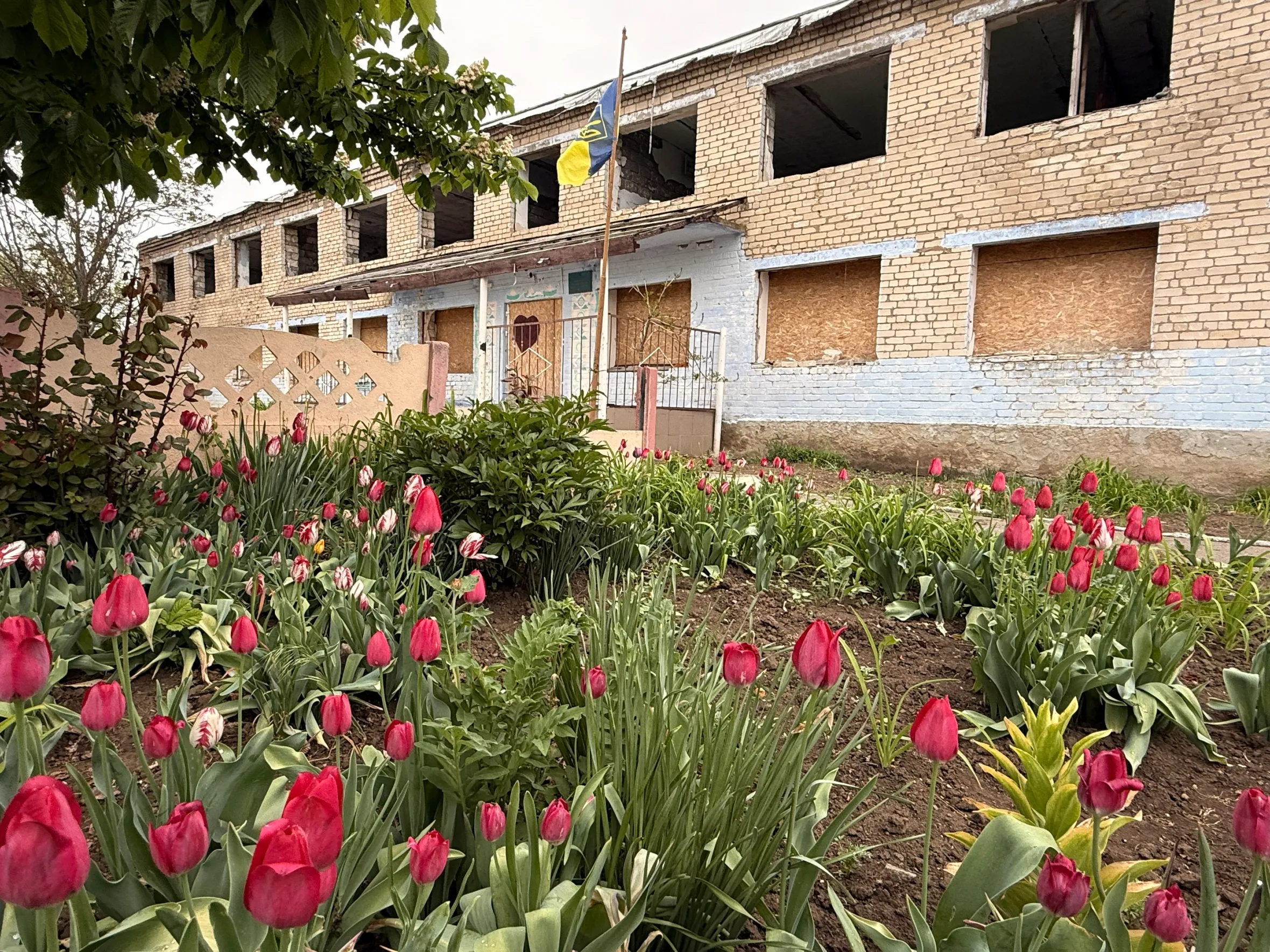 The local school was damaged in KysylivkaKateryna Malofieieva
Some villagers tried to put on a brave face. One said that other Ukrainians “had it worse”, such as soldiers in the trenches or those living under Russian occupation. “It sounds terrible, but we are used to this now,” said another.
Honchar, the IRC health specialist, said: “I am happy that they are adapting, we have all had to adapt, but this is not a healthy mental state for any of us. Drones are not normal, air raid sirens are not normal. None of this is normal, right? The real processing of grief hasn’t even started yet.”
Additional reporting: Kateryna Malofieieva