
The pressure to be perfect has stalked recent high school graduate Swarali Dhamal since she was in middle school, at once motivating and suffocating her while consuming more of her hours both in and outside of school.
Recently, that nagging voice telling her to be flawless has grown louder because of carefully curated posts by friends and influencers flooding her social media feed. Long before, the voice drove her to maintain impressive grades and keep up with peers in her classes as part of the inherent societal pressures that kept building.
“It’s kind of normalized in society where you have to be perfect or you have to accomplish something in life to be successful,” Dhamal, 18, said. “And that’s where a lot of my peers feel like mental health struggles arise from.
“Some people may say that it gives you room to grow and it provides you a push forward,” she added, “but if this constant pressure is consistently pushing down on you, I feel like it’s more suffocating than a place for you to grow.”
That gravitational pull toward being nothing less than the best is quietly contributing to a mental health crisis among Colorado students, a crisis that has improved over time in some ways and worsened dramatically in others. That’s why both students and state health officials are calling for youth mental health to rank among the top issues that Colorado’s next governor addresses, proposing on Day 1 specific policy plans to improve kids’ access to mental health support.
“If we don’t address this and the next governor does not address this in an appropriate, prioritized, resourced way with leadership and accountability at the very top of our state, we will lose this generation,” said Dr. K. Ron-Li Liaw, director of the child and adolescent mental health division at Children’s Hospital Colorado. “They’ve already gone through COVID. They’ve already gone through an economic downturn. They’ve gone through a number of conflicts here that most kids should not have exposure to. They’ve seen too much already. This is our opportunity as trusted adults, as adults in leadership, to turn this around for them.”
The numbers behind kids’ ongoing battles with mental health tell a nuanced story: The rate of suicide among Colorado kids ages 10 to 18 in 2024 dropped to its lowest since 2007, a noteworthy shift in a state where the suicide rate among young people has long exceeded the national average. The state counted 39 deaths by suicide in that age group in 2024, a sharp dip from the high of 87 deaths by suicide in that age group in 2020, according to the Colorado Department of Public Health and Environment’s Office of Suicide Prevention.
Even with that decline, struggles among kids are still very visible and widespread, Liaw said. The stream of students turning to Children’s Hospital Colorado for help while suffering a mental health crisis is not slowing down.
For instance, the number of kids needing care for a behavioral health issue ramped up in February, Liaw said. The hospital system at times counted 30 students in the middle of a crisis needing a more advanced level of care, such as inpatient care. But without enough beds in the region to accommodate those children, they waited in the emergency room or in medical beds.
A dozen more kids trying to cope with chronic mental health issues stayed in the hospital for extended periods because they couldn’t return to their foster home or group home, or their school setting wasn’t meeting their needs, she said.
The need for psychiatric help among students tends to intensify throughout the spring, Liaw noted. For one, it’s a season of high stakes and transition. The final weeks of the school year often turn into a blurry stretch crammed with standardized tests, final projects and exams, and final grades.
Changes in sunlight and sleep patterns also stress kids with certain mental health conditions, such as mood disorders like depression, Liaw said. Kids prone to periods of low energy and hopelessness that often hang over them in the winter might swing into periods of manic symptoms in the spring. Some students might become crippled by poor sleep and racing thoughts while others experience more impulsive behaviors and more energy to act on suicidal thoughts, she said.
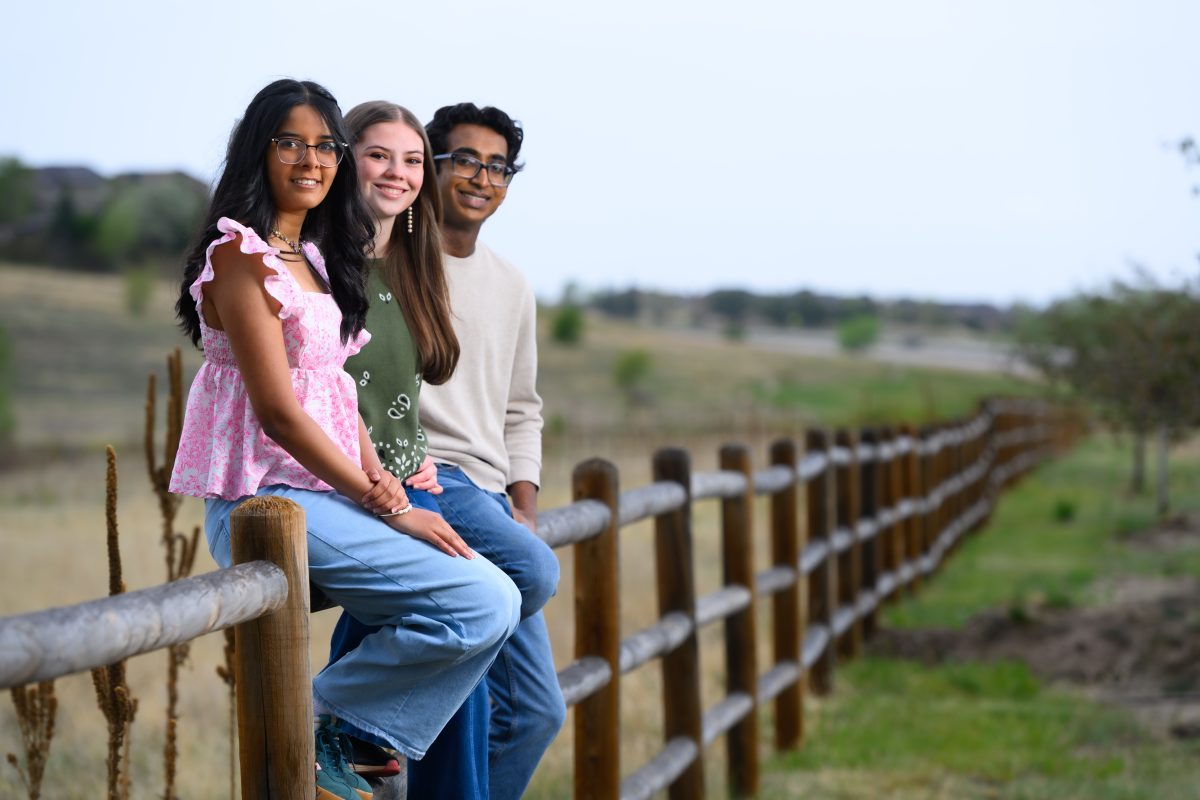 Colorado Springs high school students, left to right, Swarali Dhamal, 18, Pine Creek High School graduate, Arianna Montoya, 16, sophomore at Village High School, and Siddharth Dodda, 16, junior at Pine Creek High School, photographed May 22, 2026 in John Venezia Park in Colorado Springs. (Mark Reis, Special to The Colorado Sun)
Depression is one of many reasons kids show up to Children’s Hospital Colorado when managing mental health on their own becomes too difficult, Liaw said. The hospital system is also flooded by young patients with anxiety disorders, including panic attacks and obsessive compulsive disorder, as well as kids with eating disorders and those self-medicating with substances like cannabis and pills not prescribed for them.
Sounding the alarm, a statewide coalition of more than 60 organizations is advocating for solutions that will both prevent students from stumbling into a mental health spiral and offer a hand to those already deep in the trenches of a crisis.
Ahead of a gubernatorial forum Thursday, when both Democrat and Republican candidates will share their own strategies around better supporting kids, coalition leaders from Children’s Hospital Colorado and the nonprofit Healthier Colorado have prepared a list of policy recommendations for the state’s next commander. They pitch two sets of ideas — some they believe the governor can take swift action on and others they say could lead to a more robust youth mental health system that could act as a safety net for kids in distress.
Among their proposals: They suggest hiring a “chief children’s mental health officer” to work under the governor on policy and funding decisions related to youth mental health. They also want to see the governor develop a Colorado Interagency Commission on Children’s Mental Health that would be responsible for designing a system that can guide families to resources and quickly connect children with support. And they urge the next administration to set up a state fund, sustained in part by philanthropic donations, digital platform fees and social media litigation settlements, to help pay for statewide youth mental health programs and local efforts.
Here is what teens say they need from Colorado’s next governor
Siddharth Dodda has stepped beyond the stats — something he recommends politicians do — to see firsthand how mental health challenges have pushed some of his peers to the brink of giving up.
A day spent shadowing a pharmacist in the emergency department during an internship with Children’s Hospital in Colorado Springs last year has stuck with Siddharth, 16. He said he was shocked to learn that admitting six young patients with deteriorating mental health into the emergency room in a single day was nothing out of the ordinary.
Some of the students Siddharth encountered in the emergency room were racked with thoughts of suicide.
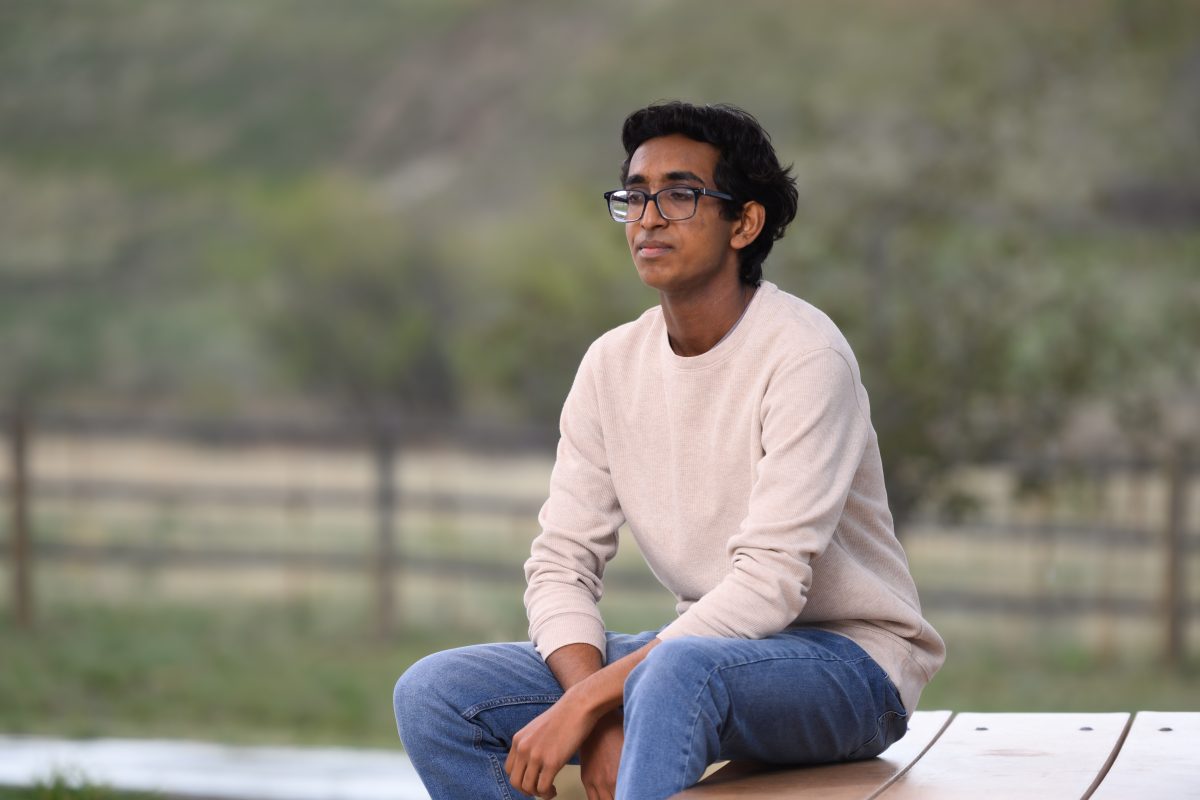 Siddharth Dodda, 16, pictured May 22, 2026, is a junior at Pine Creek High School in Colorado Springs. (Mark Reis, Special to The Colorado Sun)
For other students, mental health struggles take on a much different shape, Siddharth said, describing the state’s youth mental health crisis as a broad spectrum.
Like Dhamal, the high school graduate who feels an overwhelming expectation to be perfect, Siddharth wrestles with a neverending to-do list to prime him for his future. Studying for high-stakes tests. Joining a bunch of extracurricular activities. Applying to colleges.
“Everybody is collectively on a scale of crashing out,” said Siddharth, who will be a senior at Pine Creek High School in Colorado Springs next year.
Dhamal and Siddharth, who belong to Colorado’s Youth Council on Mental Health, say while the stubborn stigma around mental health challenges has waned, many students often still feel like they must muscle through the moments they are feeling their weakest.
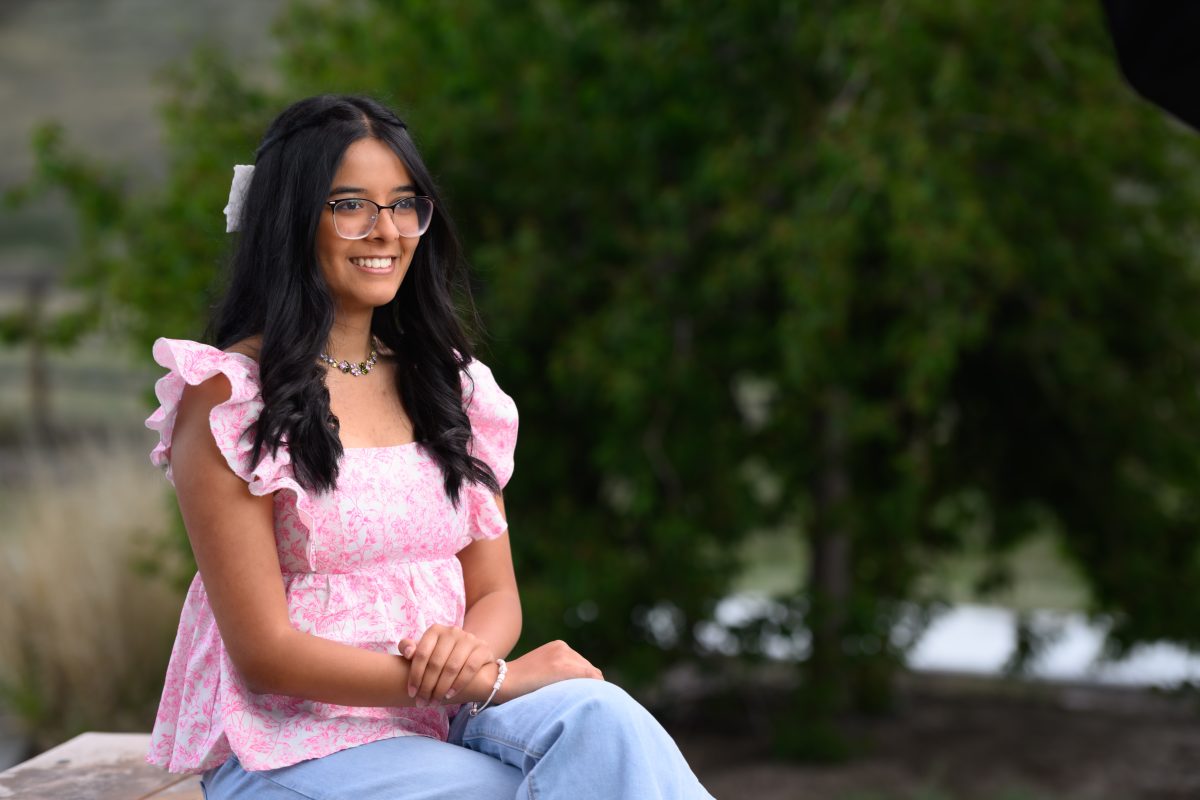 Swarali Dhamal, 18, May 22, 2026, is a recent graduate of Pine Creek High School in Colorado Springs. (Mark Reis, Special to The Colorado Sun)
Without mental health struggles being normalized, Dhamal said “the constant pressure of having a mental toughness attitude” looms over her generation.
“If we’re put aside and we’re told to just tough it out, then it kind of defeats the whole point of building a youth that is able to face the future and feels safe to face the future,” she said.
The students say they want the governor’s help in spreading awareness about the kinds of mental health resources that already exist for students, especially those living in rural Colorado. That includes “I Matter.” The state program connects students with six free counseling sessions with a licensed therapist, but Dhamal said she didn’t understand it was a mental health program until learning more about it through the Youth Council on Mental Health.
They also need more of a focus on mental health in their schools, through health classes that touch on mental health and counselors who don’t just guide students through what they need to graduate but who can support them when tough emotions bubble up.
At the same time, students say they could also use more education on how to manage their smartphones and social media, from controlling how long they scroll to dealing with the instinct to compare themselves to their classmates on Instagram, TikTok and LinkedIn.
“Youth will eventually be adults and we need to learn now how to regulate our screen time and how to use screens responsibly,” said Arianna Montoya, a rising junior at Village High School in Colorado Springs and another member of the Youth Council on Mental Health. “If you send us into the world without having given us that chance as youth, we won’t be able to be functional adults because cellphones and technology are never going to just go away.”
Before any new decisions are made about where to spend state dollars, the most important thing students say they need from the next governor is perhaps the simplest: a louder voice — one that is taken seriously.
“If gubernatorial candidates are really serious about solving this issue, then they need to get input from youth and they need to do it seriously as well because a lot of the times I feel like a lot of people are skeptical about what youth are capable of or what they know,” Siddharth said. “But I feel like once you actually start to give youth a chance, you’d be surprised as to the conversations that we can hold and to the perspectives that we have.”
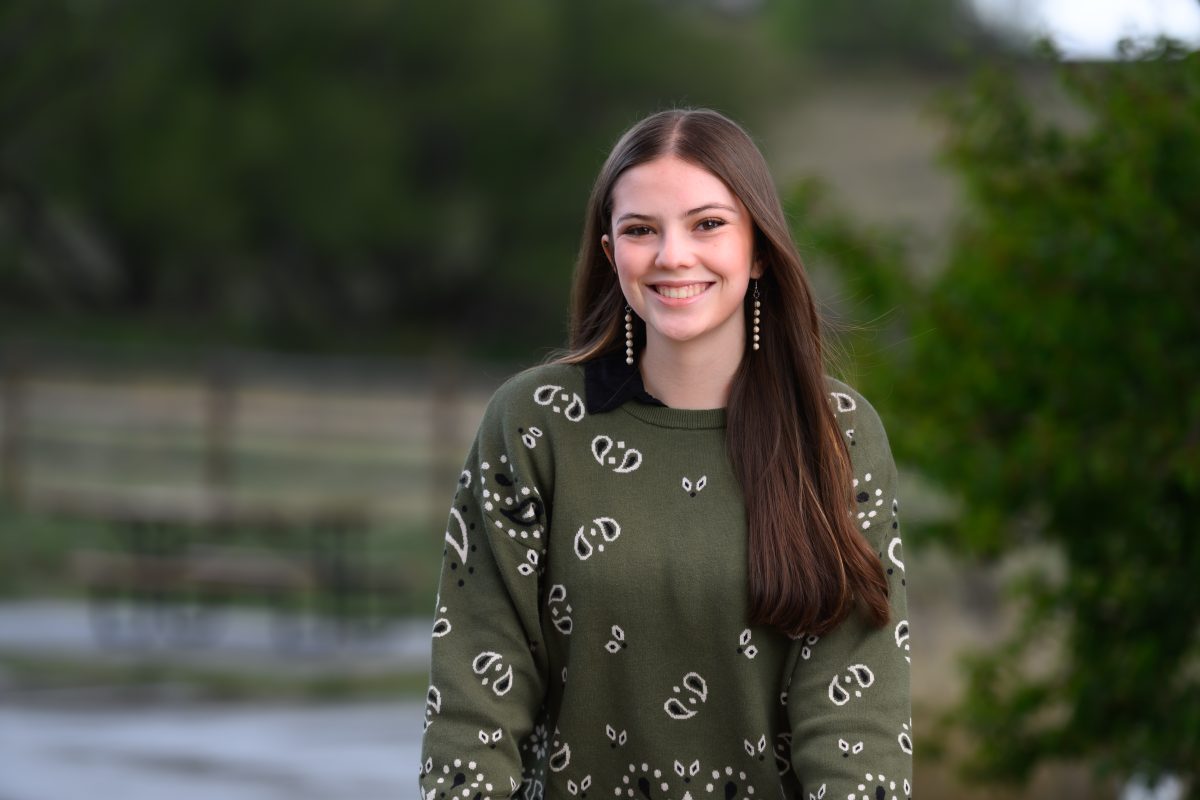 Arianna Montoya, 16, pictured May 22, 2026, is a sophomore at Village High School in District 20 in Colorado Springs. (Mark Reis, Special to The Colorado Sun)
Without more input from students and without more urgency, Arianna, 16, wonders what kind of future will await her generation.
“The youth that we have now are someday going to be the adults that are running this country in this world,” she said. “So if we don’t take care of them now, how is our world going to end up in 20 or 30 years?”
Type of Story: News
Based on facts, either observed and verified directly by the reporter, or reported and verified from knowledgeable sources.