

This article is sponsored by Harper Clinic, a Utah-based clinic offering FDA-approved TMS therapy for treatment-resistant depression.
Utah’s mental health crisis is leaving many residents caught in an uncomfortable middle ground: struggling too much for weekly therapy alone, but unable to step away from work, parenting or daily life for inpatient treatment. As demand for care continues to rise across Utah County, one Orem clinic says it is trying to close that gap with a more comprehensive approach to mental health treatment.
According to Mental Health America, Utah ranks nearly last (50th out of 51) nationally for the combination of high mental illness prevalence and low access to care. Meanwhile, the Kaiser Family Foundation reports that more than one-third of Utah adults experiencing anxiety or depression symptoms were unable to access the counseling or therapy they needed.
When weekly therapy isn’t enough
Most people looking for intensive mental health support aren’t new to treatment. In fact, Harper Clinic, a cutting-edge mental health and addiction treatment center in Orem, says many clients entering its Intensive Outpatient Program, or IOP, have already tried therapy, medication or both.
But for adults dealing with treatment-resistant depression, PTSD, anxiety, grief, emotional dysregulation or substance use challenges, a weekly 50-minute therapy session may not provide enough support during a crisis or major life transition.
Yet the fact remains; serious mental illness can significantly impair daily functioning, affecting work, relationships and physical health, according to Substance Abuse and Mental Health Services Administration. However, many individuals still need to maintain jobs, care for children and manage everyday responsibilities while seeking treatment.
That is the population Harper Clinic’s IOP was designed to serve.
The emotional toll of trying to “hold it together”
When you’re managing mental health challenges, the hardest part is often feeling functional on the outside while privately struggling to cope.
This can lead to exhaustion trying to manage symptoms alone or frustration that traditional therapy has not led to meaningful change. In some cases, you might feel “too high-functioning” for residential treatment but still know you need more support than you currently have.
Harper Clinic’s approach centers on helping clients build practical emotional regulation skills while also creating a sense of community and coordinated care.
Understanding what an IOP actually is
An intensive outpatient program is a structured level of mental health care that falls between traditional outpatient therapy and residential treatment.
At Harper Clinic, the program includes nine hours of clinical care each week through evening sessions held Monday through Wednesday from 5:30 to 8:30 p.m.
These sessions are divided between therapist-led process groups and psychoeducation classes focused on practical coping and wellness skills. Topics may cover communication, attachment styles, resiliency training, self-awareness practices, breathwork and relationship building.
Participants also receive weekly individual therapy, monthly psychiatric visits and case management support while enrolled in the program.
The evening format was intentionally designed to make treatment more accessible for working adults and parents who cannot leave daily responsibilities behind to seek care.
A fully integrated model of care
Harper Clinic says the program’s biggest differentiator is that the IOP is embedded within a larger integrative mental health clinic rather than operating as a standalone group therapy program.
That means clients can access a range of additional treatments and providers under one roof, with care teams coordinating treatment plans together rather than operating separately.
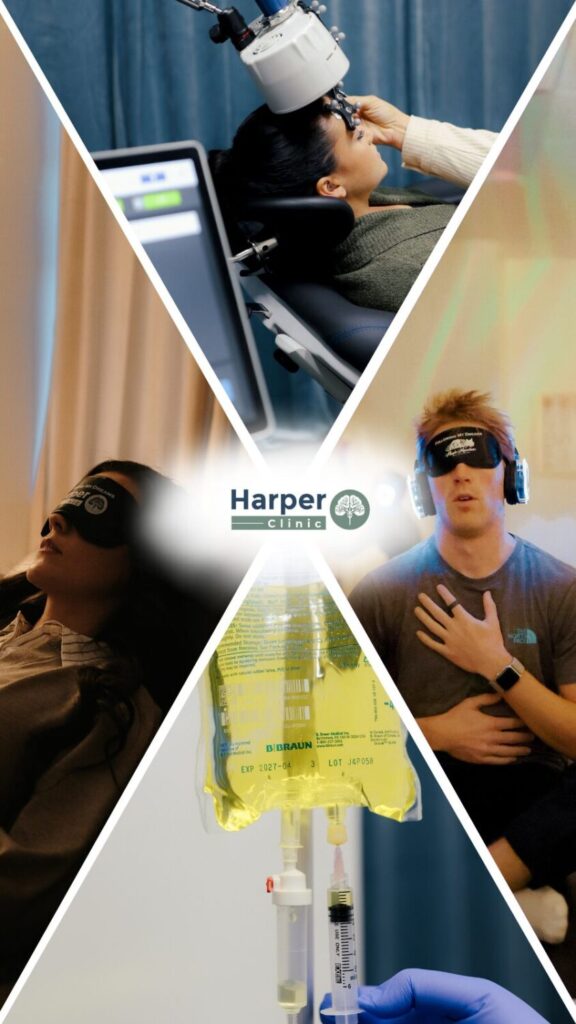
In addition to evidence-based therapies like cognitive behavioral therapy (CBT) and dialectical behavior therapy (DBT), Harper Clinic also offers EMDR therapy, neurofeedback, medication management, ketamine-assisted therapy, TMS therapy and functional medicine services when clinically appropriate.
This integrated structure allows clients to receive more personalized care without the stress of navigating multiple offices and providers independently.
Treating more than symptoms alone
Harper Clinic was founded on the belief that mental health challenges are often connected to physical, neurological and environmental factors as well.
In addition to psychiatric care and therapy, the clinic incorporates a functional medicine approach that may evaluate factors like hormone imbalances, nutrient deficiencies, gut health and chronic inflammation that could contribute to mental health symptoms.
That whole-person philosophy reflects a broader trend in mental health care toward integrated treatment models.
The National Institute of Mental Health reports that treatment outcomes can improve when care plans combine multiple evidence-based approaches tailored to individual needs.
At Harper Clinic, that may mean combining psychiatric care with trauma therapy, wellness practices and advanced treatment options within one coordinated plan.
Supporting a variety of conditions
Harper Clinic’s IOP serves adults navigating a range of mental health challenges, including major depressive disorder, generalized anxiety disorder, PTSD, OCD, bipolar disorder, grief, emotional dysregulation and co-occurring substance use disorders.
The program may also support individuals transitioning out of inpatient or residential treatment who still need structured care before returning fully to weekly outpatient therapy.
Expanding access to mental health care
As Utah County continues to grow, mental health providers across the region struggle to keep pace with the rising demand for services.
Harper Clinic’s IOP program is accepting new clients, along with Traditional Adult Medicaid for services. Additional insurance coverage options may also be available.
If you feel stuck, overwhelmed or unsupported in traditional therapy settings, it might be time to explore a higher level of care.
For more information on Harper Clinic’s Intensive Outpatient Program, or to verify insurance coverage, call (801) 396-9496 or visit Harper Clinic.
This is a sponsored article brought to you by KSL TV in conjunction with the advertiser. The advertiser paid a fee to promote this article and may have influenced or authored the content. The views expressed in this article are those of the advertiser and do not necessarily reflect those of KSL TV, its parent company, or its staff.
We want to hear from you.
Have a story idea or tip? Send it to the KSL NewsRadio team here.