
BAKERSFIELD, Calif.(KBAK/KBFX) — While the downtown Bakersfield hostage crisis has come to an end, mental health experts say the emotional impact on those involved could last much longer.
On Tuesday, ten hostages were safely rescued after a lengthy standoff that shut down portions of downtown Bakersfield and prompted a large law enforcement response. Although the immediate danger is over, experts say recovery from a traumatic event like this often takes time.
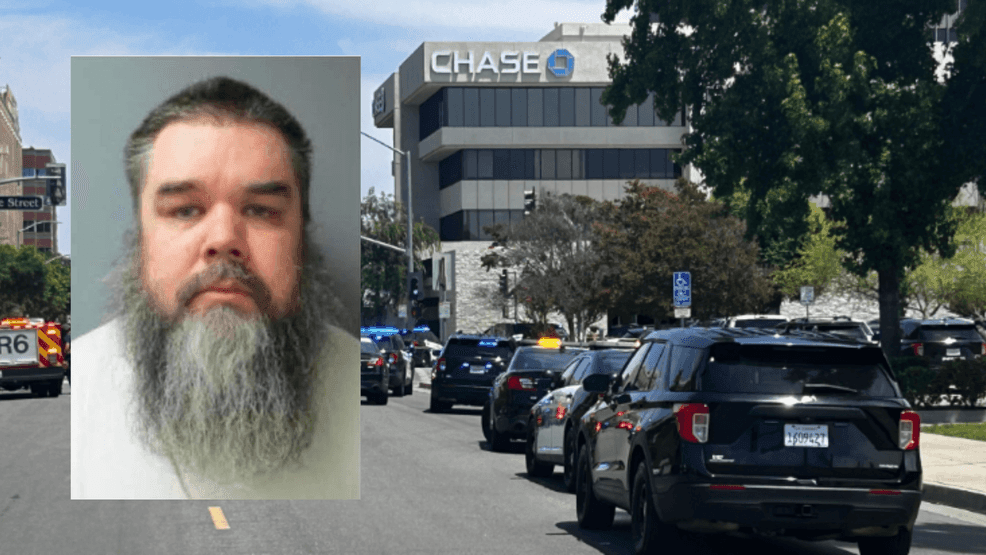
Anthony Scott Searle-Sharris shot and killed by FBI after holding hostages during standoff in California (Photos: Megan’s Law/KBAK)
Rudy Hernandez, a Kaiser Permanente mental health therapist, said it is common for people to experience intense emotional and physical reactions after surviving a life-threatening situation.
“Once you’re out of that situation and trying to get back into safety, you get hyperarousal, hypervigilance,” Hernandez said.
According to Hernandez, the brain and nervous system can remain in a heightened state of alert even after the threat has ended.
“You’re going to experience brain fog…difficulty concentrating, insomnia, a lot of sleep disturbance,” he said. “You’re trying to come down from that situation, which is so significantly traumatic.”
He said some people may also experience physical symptoms such as fatigue, headaches, body aches and stomach problems as their bodies attempt to recover from the stress.
 Menopause comes with an array of symptoms, many of which can lead to cardiovascular problems.{ }
The effects of trauma are not always immediate. Hernandez said symptoms can emerge days, weeks or even months later.
“They’re going to experience probably nightmares. They’re going to experience flashbacks,” Hernandez said. “Unwanted, distressing memories of the situation is really going to take you in.”
He also warned that some people may attempt to avoid thinking about the event altogether.
“A lot of us go into that mode of not being able to feel,” Hernandez said. “You’re numbing the situation. You don’t want to feel the anxiety. You don’t want to talk about it, not think about it.”
According to Hernandez, suppressing those emotions can cause problems later.
“We’ve suppressed that emotion, so it’s good to just be supportive of them and allow them, if they’d like to talk about it or share their feelings,” he said.
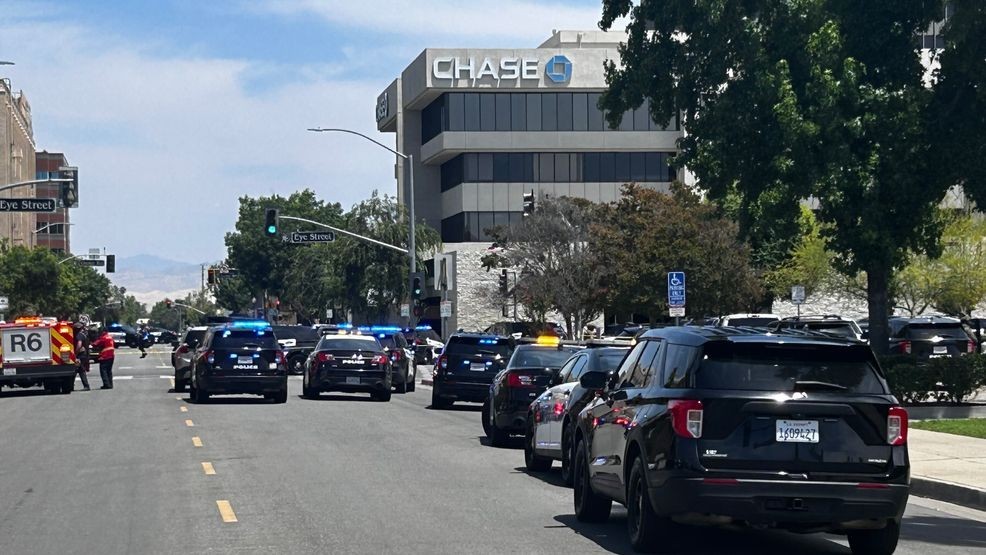
FBI agents respond after a man barricaded himself inside a building with hostages Tuesday, June 2, 2026, in Bakersfield, Calif. (KBAK/KBFX)
While the hostages may face the most direct emotional impact, Hernandez said witnesses, downtown workers, business owners and others who followed the incident closely may also experience stress and anxiety.
“That whole area is in hyperarousal, but also those that are watching it are in shock,” Hernandez said.
He said concerns about safety and security are common after a traumatic public event.
One of the most important factors in recovery, Hernandez said, is having a strong support system.
“None of them feel safe right now,” he said. “So they got to be around people that will give them safety and security.”

Sleep advice for a good night’s rest (Photo: AdobeStock)
Hernandez encourages family members and friends to be patient and supportive rather than pressuring survivors to move on quickly.
“Being in a safe environment, being in your own home, being around people you love and trust, is really important right now,” he said. “Everybody has to be patient, give everyone time and space.”
He also recommends seeking medical and mental health support if symptoms become overwhelming or begin interfering with daily life.
For those struggling in the aftermath of a traumatic event, Hernandez said recovery looks different for everyone, but healing often starts with support, patience and allowing time to process what happened.
“It may take some time,” Hernandez said. “You really got to give yourself time and space.”