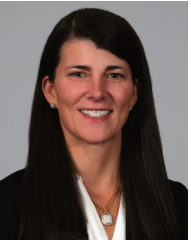
AN INTERVIEW WITH MARIA PROULX, PRESIDENT OF ANTHEM BLUE CROSS AND BLUE SHIELD IN NEW HAMPSHIRE
Demand for behavioral health care services continues to rise across New Hampshire and the nation, impacting families, employers, health care providers, and communities alike. As conversations around mental health become more open and urgent, health plans and health care organizations are working to improve access to care while helping patients better understand the resources available to them.
Maria Proulx, president of Anthem Blue Cross and Blue Shield in New Hampshire, spoke with NH Business Review about the state of behavioral health care in New Hampshire, the challenges families face navigating the system, and the importance of collaboration in building long-term solutions.
Q: Why has behavioral health care become such a major focus in New Hampshire right now?
Maria Proulx: We are seeing increased demand for behavioral health care services across every age group and demographic. More people are seeking support for anxiety, depression, stress, and other mental health challenges, which is a positive sign that stigma around mental health is continuing to decrease.
At the same time, many individuals and families still struggle to navigate the health care system and find the right support quickly. That is why improving access to behavioral health care has become such an important priority – not just for health care organizations, but for employers, schools, providers, and communities across New Hampshire.
Behavioral health affects every part of someone’s life.
When people receive the care and support they need, they are healthier, more productive, and better able to participate fully in all aspects of their lives.
Q: What are some of the biggest barriers people face when trying to access mental health care?
Proulx: One of the biggest challenges is simply knowing where to start. Many people turn to internet searches when looking for mental health providers, and that can quickly become overwhelming and confusing.
We encourage our members to use the tools available through their health plans because those tools connect them with credentialed, in-network providers and help simplify the process. Through Anthem’s Sydney Health app and Anthem.com, for instance, members can search for providers, identify those accepting new patients, and explore both in-person and virtual care options.
Another challenge is affordability, which is why Anthem has worked to reduce financial barriers wherever possible. We know cost can prevent people from seeking care early, and early intervention often makes a significant difference in outcomes.
Q: Anthem has spoken publicly about children’s behavioral health care in particular. Why is that such an important area of focus?
Proulx: Children’s mental health is incredibly important because early support can have a lifelong impact. We know that many young people today are experiencing increased stress, anxiety, and other behavioral health challenges, and families need timely access to quality care and support services.
At Anthem, we have made significant investments in behavioral health care for children and teens in New Hampshire. We were the first insurer in the state to eliminate copayments and other cost-sharing for mental health visits for children and teens because we believe affordability should never prevent a child from receiving care.
Over the past year alone, Anthem has covered tens of millions of dollars’ worth of behavioral health claims for members under age 19 in New Hampshire, not counting what we have also paid to cover medications to treat mental health needs. We have also expanded our behavioral health provider network and support services to help families access care more quickly and navigate what can often feel like a very complicated system.
Q: How important is virtual care in addressing behavioral health needs?
Proulx: Virtual care has become an increasingly valuable tool, especially in a state like New Hampshire where geographic access can sometimes be a challenge.
For many people, virtual behavioral health care appointments offer convenience and privacy. Some patients prefer in-person visits, while others are more comfortable engaging virtually. The most important thing is ensuring people have options and can choose the type of care that works best for them.
Virtual care has also helped expand access in areas where provider shortages exist. It is not the only solution, but it is certainly an important part of improving access overall.
Q: What advice would you give someone who is beginning their mental health care journey?
Proulx: First, know that asking for help is a sign of strength. Seeking support is an important step toward better health and well-being.
Second, understand that finding the right provider can take time – and that is okay. Behavioral health care is deeply personal, and it is important that patients feel comfortable and supported by the provider they choose.
We also encourage people to ask questions during the process. Questions like: How will you support me? How will we measure progress? Will you collaborate with my primary care physician? Those conversations help build trust and ensure care is coordinated.
Finally, do not try to navigate the system alone.
Health plans, providers, and care teams are there to help guide patients and families through the process.
Q: Looking ahead, what will it take to continue improving behavioral health care access in New Hampshire?
Proulx: Continued collaboration. No single organization can solve behavioral health care challenges alone.
Health plans, health care providers, employers, policymakers, schools, and community organizations all have a role to play in strengthening the system and supporting New Hampshire families.
At Anthem, we remain committed to expanding access, improving affordability, and helping our members connect to the care they need. New Hampshire has made meaningful progress, but there is still important work ahead, especially as demand for behavioral health care services continues to grow.
Ultimately, this is about building a healthier future for our communities, and that benefits everyone.