
 Inside look at Goodyear gambling recovery home
The Algamus Recovery Centers residential program in Goodyear addresses the rise of sports gambling addiction. FOX 10’s Nicole Krasean learns more about the facility using specialized therapies to help high-profile athletes and online players.
GOODYEAR, Ariz. – An inside look at a Goodyear rehabilitation facility shows how experts are addressing gambling addiction, a specialized field brought to light by a recent high-profile collegiate sports scandal.
Big picture view:
The residential treatment center has been tied to former Texas Tech quarterback Brendan Sorsby, who reportedly received treatment there. This development follows a gambling scandal involving more than $90,000 worth of betting during his time as a collegiate athlete.
The NCAA declared Sorsby ineligible for his gambling history, but a Texas state judge later overturned the ban, granting an unprecedented temporary injunction that would have allowed Sorsby to play this upcoming season. This week, Sorsby’s legal team announced it is dropping its lawsuit, with Sorsby and Texas Tech parting ways, and the quarterback planning to enter the NFL supplemental draft.
Local perspective:
Rick Benson, the founder and director of Algamus Recovery Centers, would neither confirm nor deny FOX Sports’ reports that Sorsby spent five weeks in the company’s Goodyear facility. He did say the company has experience treating high-profile clients, including professional and college athletes, and believes the Algamus method truly helps gamblers. Several attorneys general from states with teams in the same Big 12 Conference as Texas Tech urged conference leaders to suspend Sorsby.
“People see it as either moral weakness or willful misconduct,” Benson said. “It’s neither one of those things.”
What they’re saying:
Benson has worked in the gambling addiction recovery space for more than three decades. As a recovering gambling addict himself, he says the legalization of sports betting has added new accessibility for addicts.
“We’re seeing a very high percentage of 18- to 35-year-old online sports players,” Benson said. “Now you can bet on every pitch in a baseball game, every serve in a tennis match. Gambling has become much more highly addictive.”
What we know:
Benson says the residential treatment model the company uses is effective for several reasons. The program is five weeks long, is only for people fighting gambling addiction, and is designed around a small group living in a home.
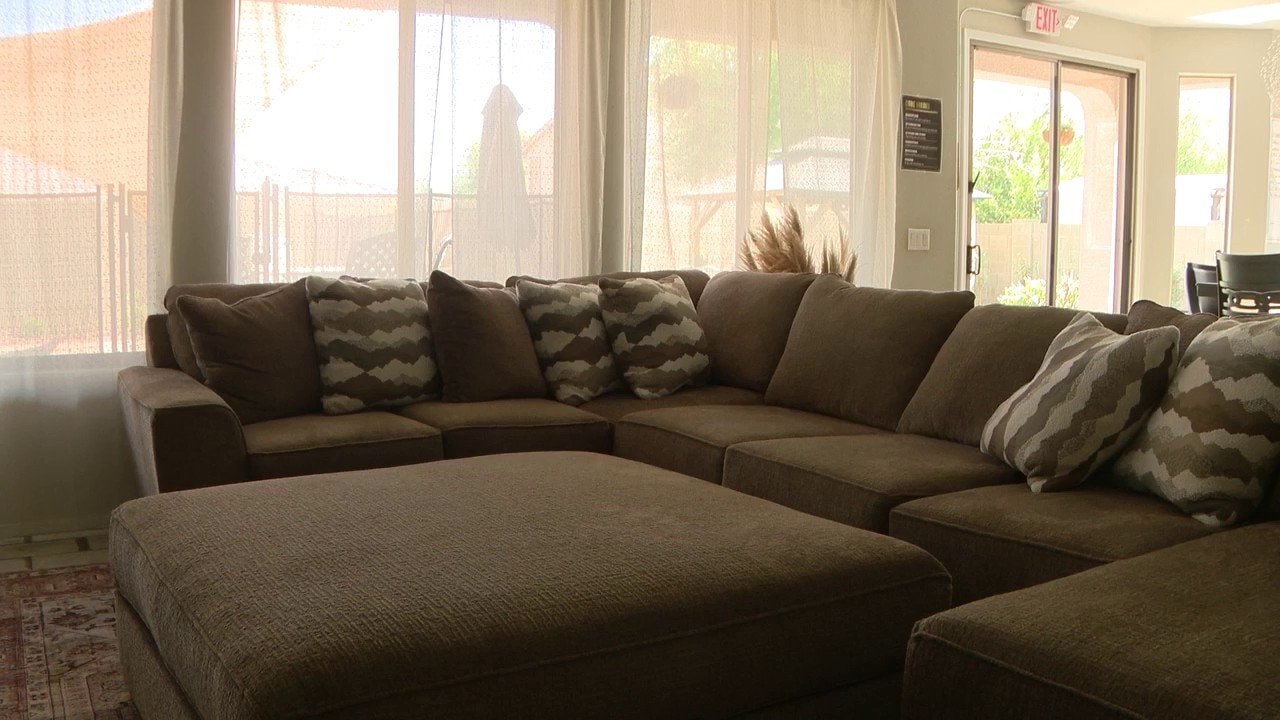
The facility has up to 10 clients at a time, which allows their therapist to come in and work with them in a group setting. Algamus staff gave FOX 10 a tour of that home, explaining that they maintain a schedule just so clients can follow something a little bit more.
“We use cognitive behavioral, we use dialectical behavioral, we do mindfulness, we do yoga, we do psycho-education work, we use an instrument called the Enneagram, we do some 12-step work,” Benson said.
Algamus also offers a post-treatment plan and a family plan. Benson says he has worked with athletes who, for various reasons, end up transitioning to a gambling habit after their career ends.
“It’s a short transition from there to ‘I know more about the game then most people do, and therefore my superior knowledge about the game will translate to my ability to win more than most people do,’” Benson said.
Why you should care:
Benson says he wants gambling addicts to be seen in the same lens as substance-related addicts, and more should be done to address the overall gambling culture.
“I think the integrity of the game is important but I also think that we need to be seeing it as a problem with the product, not just with the individual,” Benson said.
Dig deeper:
Benson shared some ways that gambling could be addressed, including through legislation. He referenced a bill introduced by a New York state senator that would ban in-game or live in-game betting across the state. He also mentioned wanting to see more insurance companies offer coverage for gambling treatment, noting that 15% of clients have an exclusion in their coverage for gambling.
Additionally, he wants to see more states that allow sports betting increase funding for treatment, since residential treatment programs can cost $10,000 or more, and he feels they are the most effective way to treat addicts.
The Source: Information in this report was gathered from Rick Benson, Algamus Recovery Centers staff and court documents.