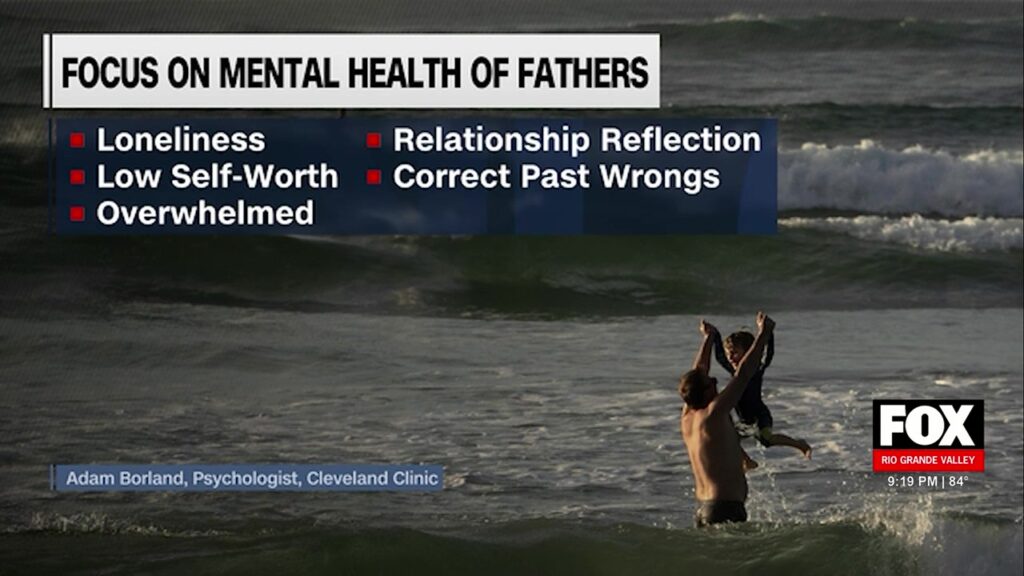
As we approach Father’s Day weekend, the focus typically centers on celebrating the fathers, grandfathers, and father figures who play pivotal roles in families across the nation. However, beyond gifts and gatherings, healthcare professionals are shedding light on an important but often overlooked topic: the mental health of fathers. Father’s mental well-being is gaining deserved attention as a critical component to overall family health and happiness.
Men, including fathers, traditionally face societal expectations that often encourage them to be tough, stoic, and self-sacrificing. These cultural norms can inadvertently discourage many men from prioritizing their emotional and psychological well-being or seeking help when they need it. Consequently, mental health challenges among fathers can go unnoticed and untreated, contributing to feelings of isolation, stress, and burnout.
Clinical psychologist Adam Borland, who practices at the Cleveland Clinic, reports a positive shift in recent years. More fathers are beginning to acknowledge and voice their struggles related to mental health, including loneliness, diminished self-esteem, and the stress of balancing work, family, and personal needs. Recognizing these struggles is the first step toward fostering a supportive environment for fathers and encouraging them to seek assistance without shame or fear of judgment.
Understanding the Unique Challenges Fathers Face
The role of fatherhood today is complex and evolving. Modern fathers are expected to be involved caregivers, nurturing figures, and breadwinners all at once. This multifaceted responsibility often places enormous pressure on men, leading to stress and feelings of inadequacy.
Borland observes that young fathers frequently reflect on their past relationships with their own fathers, hoping to improve or avoid repeating perceived mistakes. This reflection can add another layer of emotional complexity, amplifying the desire to “get it right” and meet both personal and societal expectations. While this motivation is powerful, it can also lead to perfectionism and unrealistic self-demands, harming men’s mental health.
Common signs indicating that a father might be struggling include emotional exhaustion, difficulty concentrating, withdrawing from family or social engagements, increased irritability, and unhealthy coping mechanisms such as substance abuse or physical aggression. Awareness of these symptoms can help families and friends offer timely support.
Breaking the Stigma and Opening Conversations
Despite progress, stigma remains a significant barrier to men seeking mental health care. Many fathers fear appearing weak or unable to handle their responsibilities if they admit to struggling emotionally. Experts emphasize that seeking mental health support is a courageous and constructive act—it reflects strength, resilience, and a commitment to personal and familial well-being.
Families, workplaces, and communities play vital roles in creating safe spaces for men to express their feelings openly. Encouraging honest discussions about emotions and mental health challenges helps normalize these experiences and reduces isolation. Policies that promote work-life balance and support fathers’ involvement in caregiving can also alleviate stress.
Workshops, counseling programs, and online support groups tailored specifically to fathers’ needs have become more accessible, offering practical coping skills, peer connection, and professional guidance.
How Families Can Support Fathers’ Mental Health This Father’s Day
Father’s Day presents an excellent opportunity for families to advocate for the mental health of father figures in their lives. Simple gestures like checking in, listening without judgment, and affirming their efforts can make a meaningful difference. Encouraging fathers to take time for self-care—whether through exercise, hobbies, or rest—is an important message to share.
Moreover, families can educate themselves about resources available for mental health support and encourage fathers to avail themselves of professional services if needed. Community mental health centers, family doctors, and local nonprofits often provide confidential counseling and referrals. Supporting a father’s mental wellness not only benefits the individual man but also enhances the emotional climate of the entire family.
As society continues to broaden its understanding of masculinity and health, the hope is that more fathers will feel empowered to prioritize their mental well-being. This Father’s Day, as we celebrate the love and dedication of dads, it is equally important to honor their humanity and emotional needs.
Additional Resources
For more information on men’s mental health and support services, visit the Centers for Disease Control and Prevention: Mental Health.