
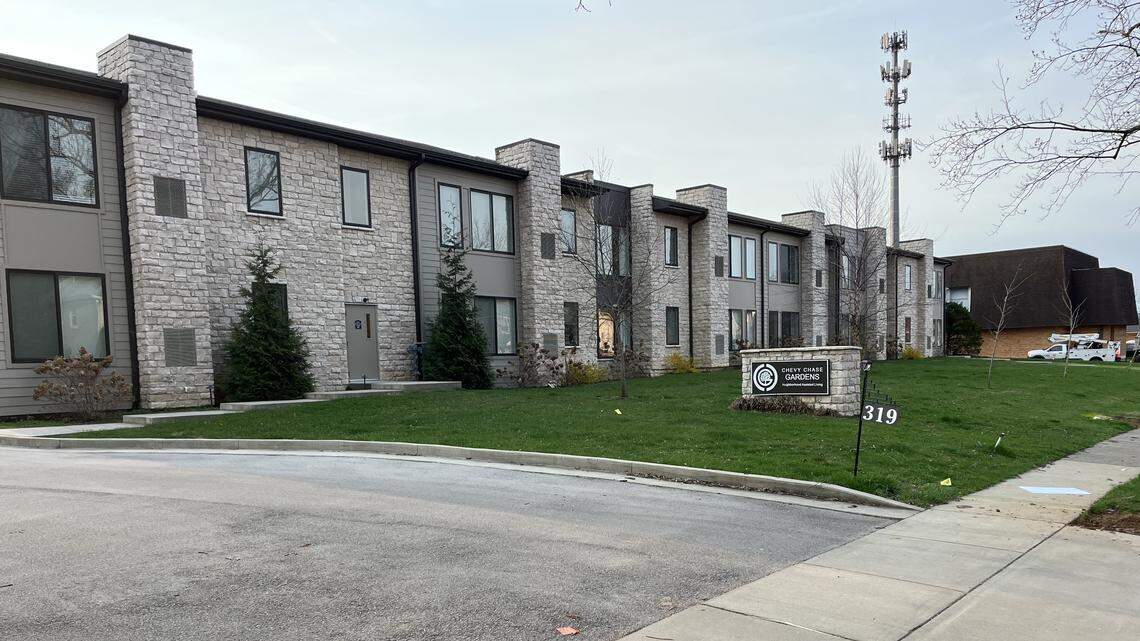
The building at 319 Duke Road was originally built as an assisted living facility, but since then has housed a behavioral health center. Another group specializing in mental health is seeking a conditional use permit for the site.
Linda Blackford
I’m not going to lie. After Monday’s Board of Adjustment hearing, I was angry. And if I’m being honest, pretty disgusted. I’ve dedicated my life to helping people who are hurting. I’ve sat with families in their worst moments. I’ve worked with people who are fighting, day in and day out, for their lives. So, when I hear people talk about treatment, about recovery, about the people we serve and reduce it to fear and distance themselves through cruelty, it hits something deep.
Anger was my first reaction.
Thankfully, I’m a person in long term recovery, and have been taught something I couldn’t have learned anywhere else. My first reaction isn’t always the right one. So instead of feeding that anger, I did what I’ve learned to do over the years. I took a step back, I looked at my part, and I asked a deeper question.
Why did this hit me the way it did?
Here’s what I know, not just professionally but personally: the things that trigger us usually point to something real. Not always comfortable, but real. And what I’ve come to understand since that hearing is this: what I saw wasn’t thoughtful opposition. It was fear. And underneath that fear, something even more familiar. Something I recognize because I’ve lived it.
Shame.
I know shame well. I know what it feels like to believe you have to keep things hidden, to manage how people see you, to convince the world, and yourself, that everything is fine when it’s not. I know what it’s like to build a life around not being found out. And I also know what it takes to break that cycle. It takes honesty. It takes vulnerability. It takes walking straight into the thing you’ve spent your life avoiding.
It’s not easy. It’s recovery.
And whether you’re living with a substance use disorder, an eating disorder, a mental health illness, or simply trying to be human in a complicated world, every one of us is recovering from something.
When I saw the reaction last week, the intensity, the resistance, the need to push something away, I recognized it. Not as something foreign, but as something unhealed. We all have an instinct to distance ourselves from what we perceive as a threat, but most of us are confused about what the real threats are. In that confusion, we deny, we deflect, and we draw lines that aren’t real. We convince ourselves that certain problems belong somewhere else. Addiction, mental illness, eating disorders, those things happen in other places, to other people.
I get it.
I used to think that way too. Until I couldn’t anymore. Until I hit a bottom that forced me into rooms with people I never thought I’d relate to, and I started listening. That’s where everything changed. I learned that blame is shame’s favorite disguise. I learned that denial is only as strong as the distance you put between you and another. And I learned that a single drop of truth can wash away a lifetime of pretending.
Here’s the truth: Addiction and mental illness don’t care where you live. They don’t care what your house looks like or where your kids go to school. I’ve worked with people from every background you can imagine, and I can tell you with certainty that the people we serve are not separate from the communities we live in. They are part of them.
Many of them grew up in Chevy Chase.
So, when we talk about treatment, we’re not talking about bringing something in. We’re talking about responding to something that’s already here. That’s a hard thing to sit with. It’s much easier to draw a line, to say this doesn’t belong here, to keep a comfortable distance.
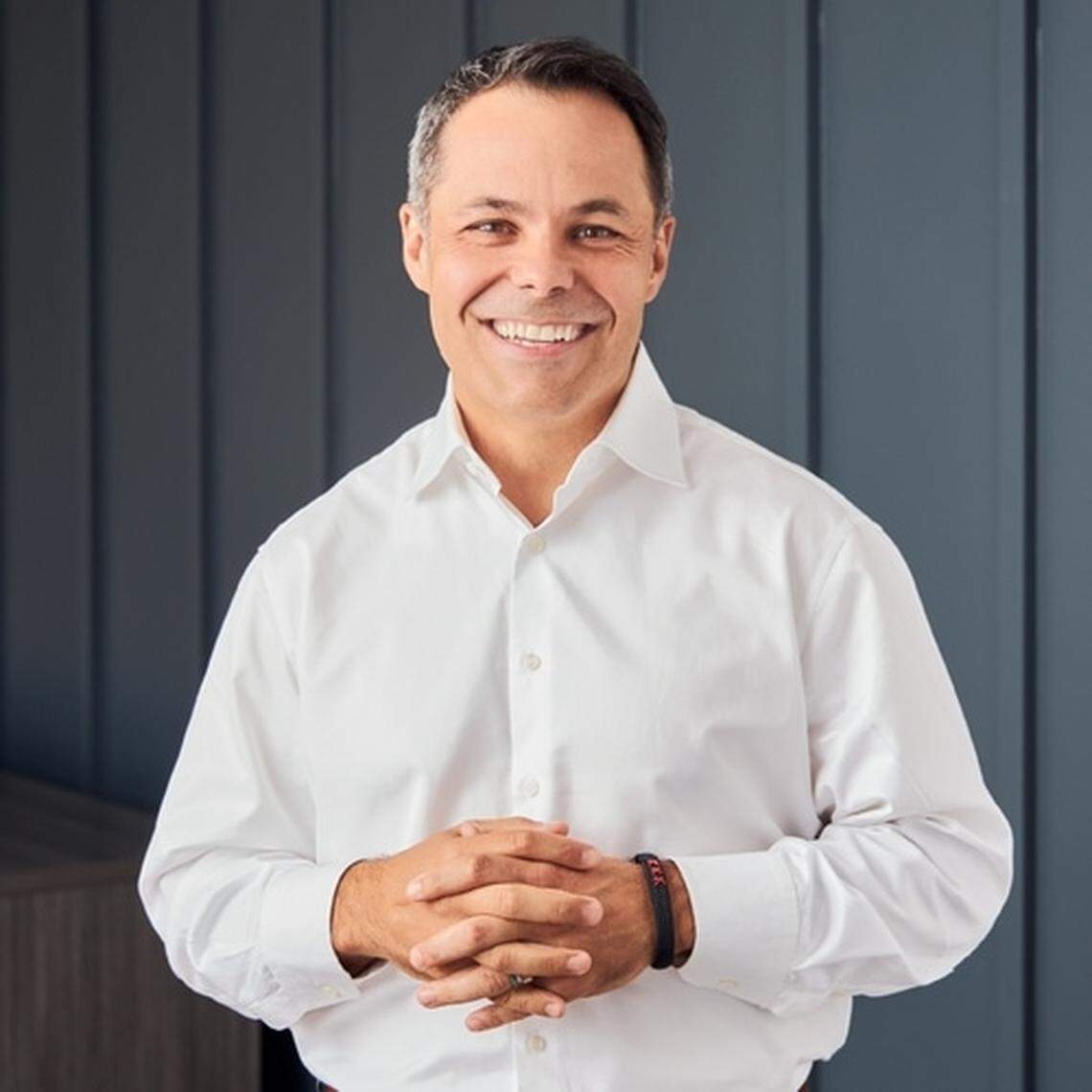 Victor Rivera is the CEO and co-founder of Roaring Brook Recovery in Lexington. Provided
Recovery taught me the opposite. Healing happens in proximity. In connection. In honesty. In environments where people are willing to face reality instead of avoiding it.
That doesn’t mean we ignore practical concerns. When people have questions about safety, operations, or impact, those are valid and deserve clear answers. We can build accountability, create transparency, and have real conversations about how this works. These are solvable problems.
At some point, this becomes personal. If someone you love needed help, real help, what would matter more? Where it’s located, or that it exists?
I know my answer.
This isn’t about winning an argument. If I’m being honest, I’ve already won. I’ve been given a way out of a miserable, lonely, and intolerable existence, and that’s not something I take lightly.
So, I’m not here to judge. I’m here to help find solutions. I’m here to stay in the conversation when it gets uncomfortable. I’m here to be a good neighbor. I’m here to build bridges. And build community. I’m here to do my best, one day at a time. And I’m here for anyone, anywhere, who wants out of their misery, their loneliness, their intolerable existence. I don’t care what their zip code is. If they want help, it’s our responsibility to make sure they can get it.
Yes, I was angry.
So, what?
I have enough experience now to know not to let my anger decide what I do next. Once the anger passed, what was left was clarity. And a question.
Lexington, who do we want to be?
I, for one, know that we are better than what we saw last week. And I want to believe that we can recover together with full appreciation for the fact that when one of us gets stronger – it increases our collective strength. Yes, it’s true, hurt people hurt people. But more importantly, healing people help people heal. And that’s who I want us to be.
Victor Rivera is the CEO and co-founder of Roaring Brook Recovery in Lexington.
This story was originally published April 17, 2026 at 10:55 AM.