
The public inquiry into the Nottingham attacks has been told evidence from more mental health experts at the beginning of the eighth week of hearings.
Triple killer Valdo Calocane, who was diagnosed with paranoid schizophrenia, fatally stabbed Barnaby Webber, Grace O’Malley-Kumar and Ian Coates in the early hours of June 13, 2023.
He then tried to kill a further three people using the van he had stolen from Mr Coates.
Hearings for the Nottingham Inquiry have been taking place in London since late February, examining failings both in the run-up to, and in response to, Calocane’s rampage.
Shortcomings by police forces, the NHS and watchdogs have so far been exposed by the inquiry, which is being led by retired judge, Her Honour Deborah Taylor.
Two mental health experts, Professor John Morgan and Dr Seena Fazel, gave evidence on Monday, April 20.
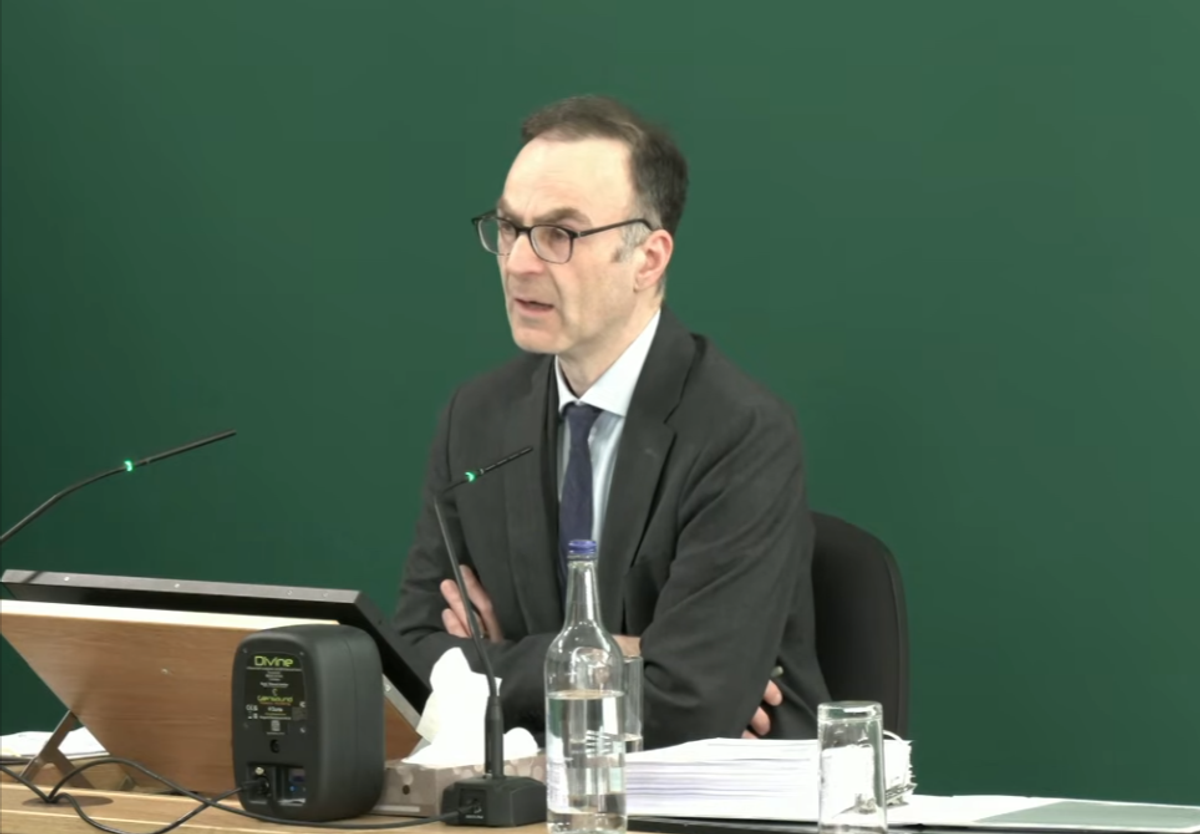
Dr Seena Fazel giving evidence to the Nottingham Inquiry(Image: Nottingham Inquiry)
Neither of them had direct involvement in the care of Calocane – referred to as VC throughout the proceedings – but can offer opinions on scenarios his clinicians may have faced.
In September 2022 – less than nine months before the killings – Calocane was discharged by Nottinghamshire Healthcare Foundation Trust to his GP due to ‘non-engagement’ after he stopped taking his medication and turning up to appointments.
Asked about whether a risk assessment should be undertaken when a patient is being discharged to a GP on those grounds, professor Morgan said ‘absolutely, yes’ and added a contingency plan should also be put in place.
Dr Fazel, an expert on the relationship between mental illness – such as schizophrenia – and violence, said there was still a “strong body of opinion” in psychiatry that there was no connection between the two, something he believes was partly driven by fears about stigmatising patients with schizophrenia.
Dr Fazel said there is ‘quite clearly’ a link.
“You can’t deny the evidence because you’re worried about a risk of stigma,” he said.
“People are worried that by identifying the link you increase stigma for a group of people who are already very heavily stigmatised. The concern is you make that worse.
“Our view is no. The best way to address stigma is by preventing it.
“I can see where people are coming from. When you go into their history you are very cautious about upsetting people and don’t want to create barriers.
“But I think what we found is it’s not actually something patients share.”
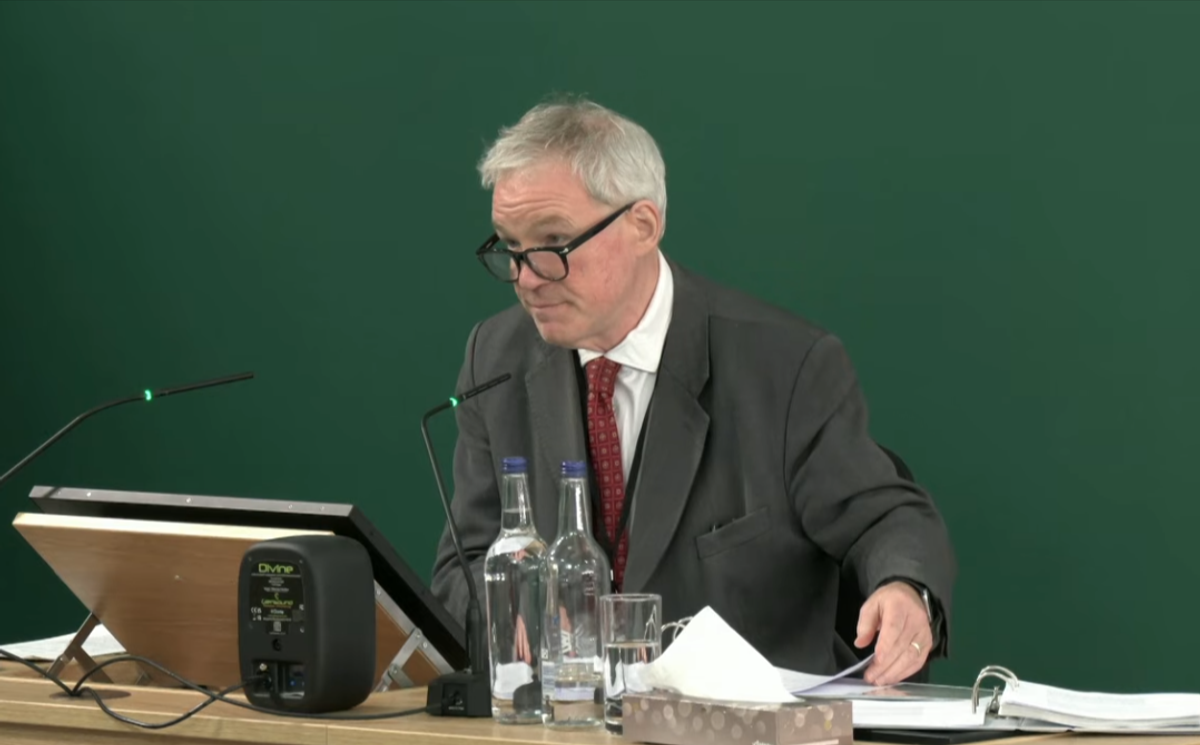
Professor John Morgan giving evidence to the Nottingham Inquiry(Image: Nottingham Inquiry)
Asked what recommendations he would make to the inquiry, Dr Fazel said police and prosecutors should pursue criminal charges as a ‘default approach’ rather than dropping charges, as Nottinghamshire Police did after Calocane tried to break in to a neighbour’s flat, resulting in her jumping from the window, in May 2020.
“They are a signal that actions have consequences and people are taking it seriously,” he said.
The professor added charges were also important for record-keeping.
“Sometimes what happens, particularly if people move services, it is the only way you’ll know if someone has a history of violence.”
A host of mental health workers who treated Calocane are scheduled to give evidence later this week, including the first team to assess him in 2020, as well as a doctor who warned he could “end up killing someone”.
The inquiry continues.