
“They’re scared to come into our building,” said Yvette Carreon, who chairs the SEIU 521 Monterey County Committee on Political Education. “They’re scared to leave their houses. Children are not going to school.”
For communities like Salinas and Pajaro, collectively home to an estimated 91,000 farmworkers, Carreon said the fear of encountering immigration agents has led to missed work and lost wages for a population that already faces severe housing insecurity and high rent.
“When they’re not working, they’re now starving,” she said.
One study that looked at the impact of ICE raids in the Southern California community of Oxnard last summer estimated the city’s agricultural workforce had shrunk by 20 to 40% in the aftermath of the raids.
The impact of increased immigration enforcement on mental health is studied by researchers, who warn that the effects are likely to be the most pronounced in children.
A Stanford study published in October found that immigration raids in the Central Valley early on in Trump’s second term coincided with a 22% increase in daily student absences. Researchers said that the absenteeism could indicate developmentally harmful stress, potentially setting students back in their education.
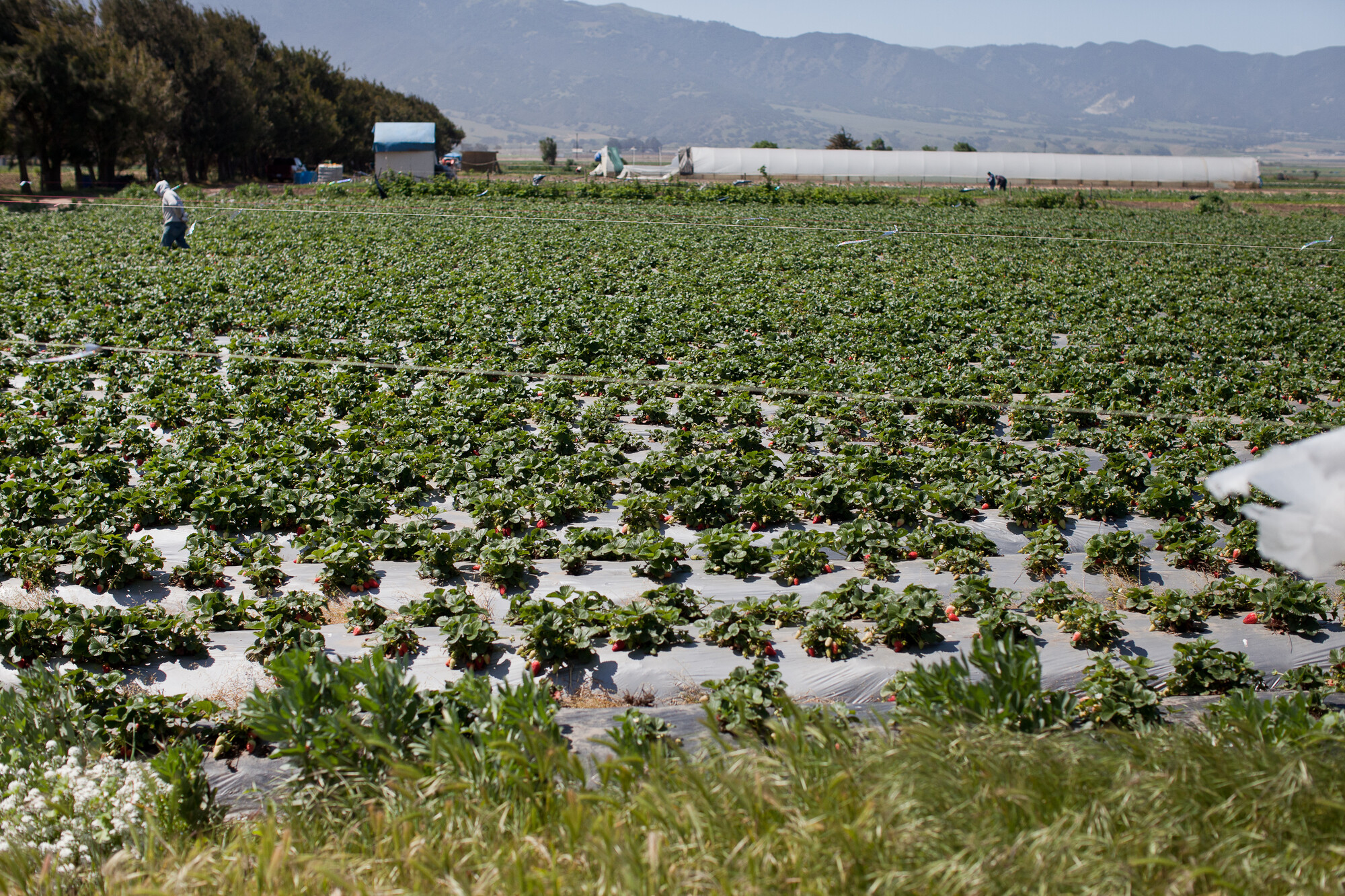 Fields in Salinas, California, on April 13, 2011. (Deborah Svoboda/KQED)
Dr. Kathleen Roche, a George Washington University professor who researches the effect of immigration policies on Latino families, said that negative effects on youth are long-lasting.
She and a team of researchers studied a group of more than 500 Latino adolescents over four years. They looked at the effects of immigration related stressors, like a parent’s worries about work issues or avoiding medical care, on their child’s mental health. Families with someone who was detained or deported were more likely to experience heightened anxiety over separation and negative mental states.
“It certainly takes a tremendous amount of mental health intervention to help mitigate some of those harms,” Roche said, adding that there are likely to be long-term economic effects from the increased stress, as affected children are less likely to be prepared for school and jobs.
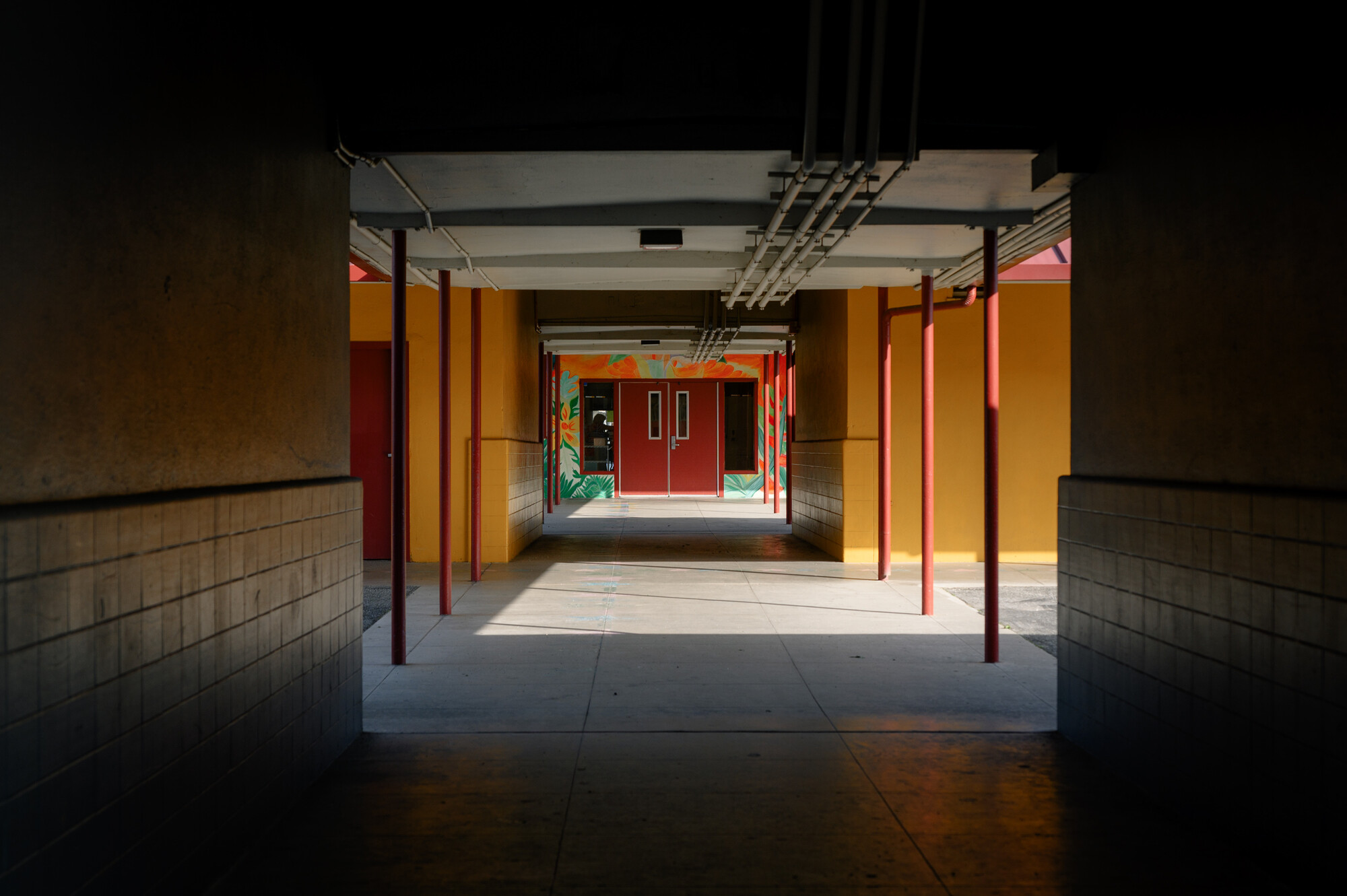 A walkway at Cesar Chavez Elementary School in East San José on Feb. 17, 2023. (Kori Suzuki/KQED)
For Carreon and Lopez-Flores, those are the kinds of outcomes they want to prevent. Both reported that the children they work with are missing class and dealing with heightened, ongoing stress.
And, Carreon said, the stakes are high any time there are barriers to care.
“What happens when [our clients] crash, when they hit that rock bottom,” she asked. “Then sometimes it’s too late to intervene.”