
In the Greater Washington region, infant and maternal health is in peril. Black women make up about half of all births in DC but account for 90% of pregnancy-related deaths. This crisis is fueled in part by the structural failure to prioritize maternal mental health.
Until policy and practice reflect this truth, outcomes will continue to be shaped by race rather than by need. Well‑intentioned services alone have not moved the needle. Mothers deserve more than ad hoc help. They deserve robust systems of care.
Through its Developing Families Maternal Health Fund, the Greater Washington Community Foundation is stepping forward as a regional funder and thought leader, inviting community leaders and philanthropists to help turn bold, locally informed ideas into scalable systemic change.

Want to effect change? Start by listening
Change often begins with a simple question: “What do you need?”
The answer: reliable childcare, providers who look like their patients, and stigma‑free access to mental health support. Or simply for someone to say, “I’ve got this, take a break.”
“If we’re not designing practice and policy to recognize the mental state of new mothers, then we’re not really understanding the conditions upon which mothers can take care of themselves and their children,” explains Dr. Marla M. Dean, Greater Washington Community Foundation’s senior director of health equity and maternal health funds.
A mother’s desire to bring a child into the world does not erase the predictable mental health challenges that follow such a seismic life shift. These stressors are normal and foreseeable; the lack of systemic support is unconscionable.
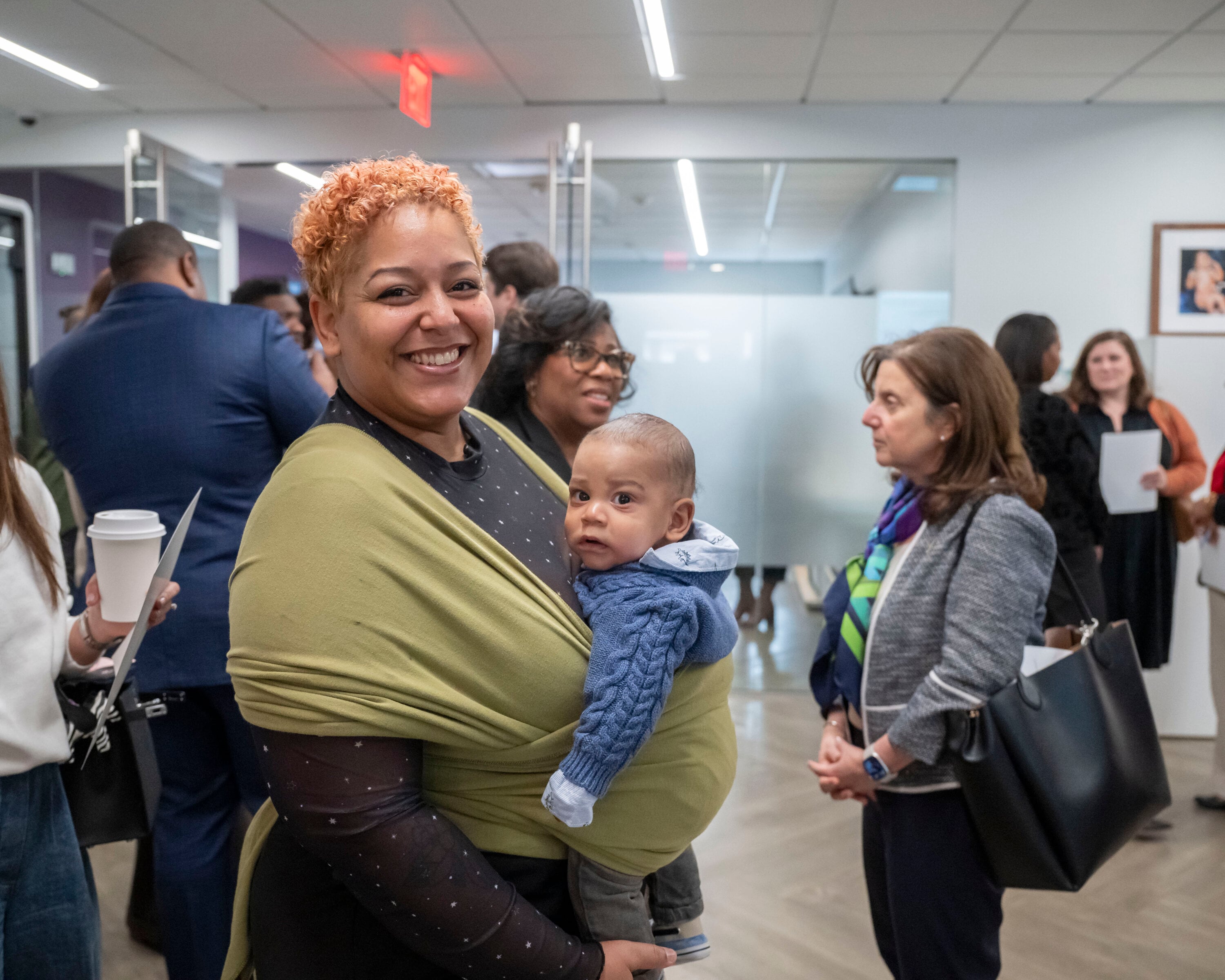
Investing in a true culture of care
“We’re never going to nonprofit our way out of this issue,” Dean asserts.
Instead, the Developing Families Maternal Health Fund strategically invests in a connected network of hospitals, clinics, and community-based organizations across DC, Prince George’s County, Montgomery County, and Northern Virginia that are rethinking how care is designed and delivered.
Fund‑supported initiatives include integrated mental health care that welcomes mothers alongside their babies, respite models that give parents time to rest and reset, and a mental health app that helps healthcare workers quickly find the resources they need.
As evidence from this work grows, Greater Washington Community Foundation and its partners are positioned to turn promising pilots into standard models of care, benefiting mothers and babies across the region.
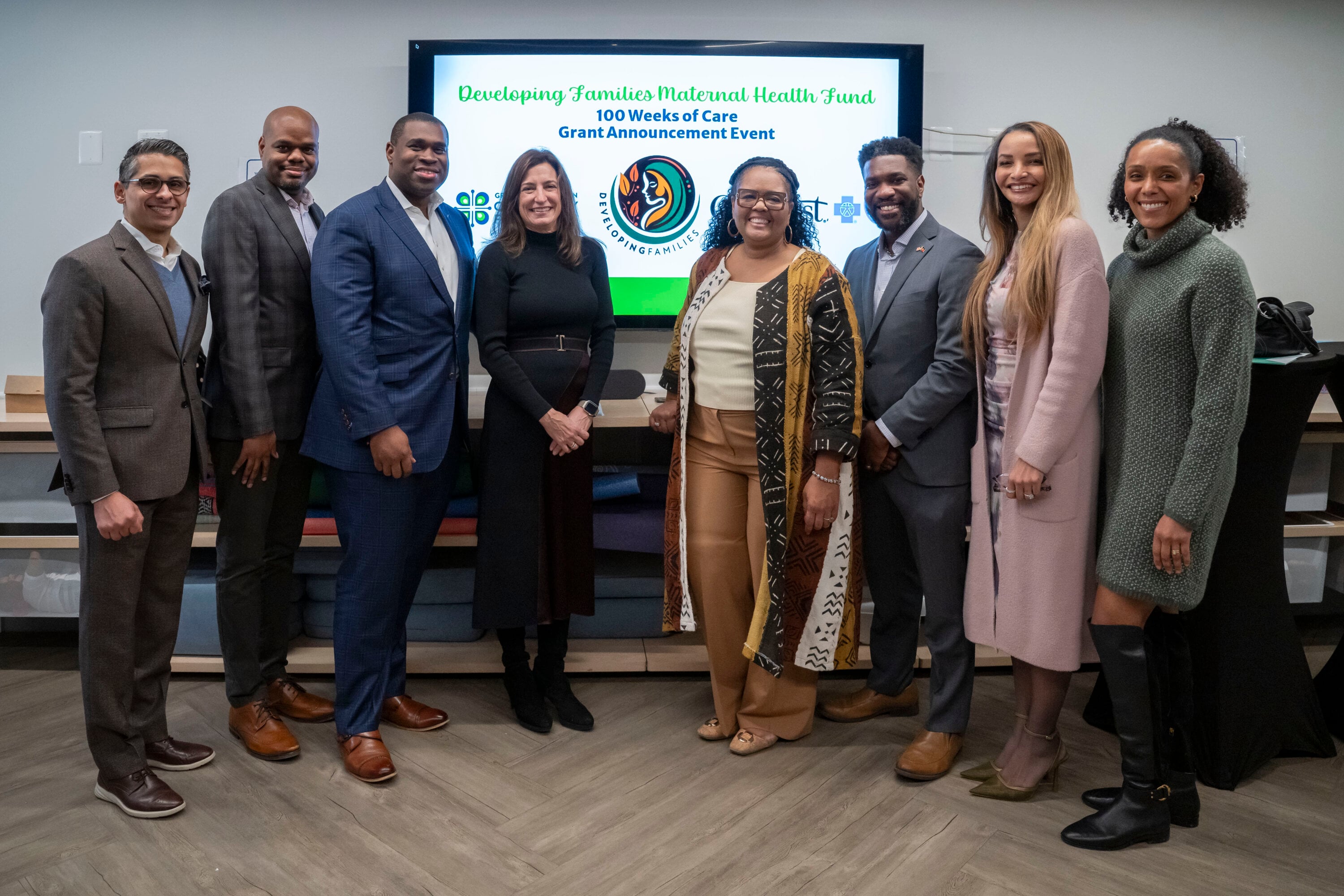
Maternal Mental Health Awareness Week is May 4–10, 2026. To learn more or explore partnership opportunities, contact Dr. Marla Dean at the Greater Washington Community Foundation or at developingfamilies.org.