
Zoe Ball and Jo Whiley are always so refreshingly honest and down-to-earth on their Dig It podcast, about issues affecting them that fellow midlife women can relate to.
Most recently, Zoe has candidly opened up about her struggles with anxiety during an episode of the show, speaking to an expert about the best way to manage the emotion.
The presenter says she is usually “very laidback” but “started to have panic attacks,” saying she believe they stemmed from grief.
Latest Videos From
“That’s sort of when that started for me,” she explains, adding, “And then along came perimenopause as well.”
“And then I started to have crippling anxiety to the point where I was struggling to work or get through a show. And crippling I think, is the word,” she says.
You may like
Zoe goes on to share that she “just didn’t really know where to go with it” when the anxiety was so bad.
She continues, “And you go to the doctor and it’s like, should I try anti-depressant? Should I I try this? And that feeling of when you’re in it, of not being able to get out of it,” she explains of those anxious feelings.
Evidently, Zoe has learned to manage her anxiety, sharing, “Anyway, I’ve come out of it. I’ve learned a lot about it. I’ve had some brilliant help from some great people along the way.”
DIG IN: Understanding Anxiety with Owen O’Kane – YouTube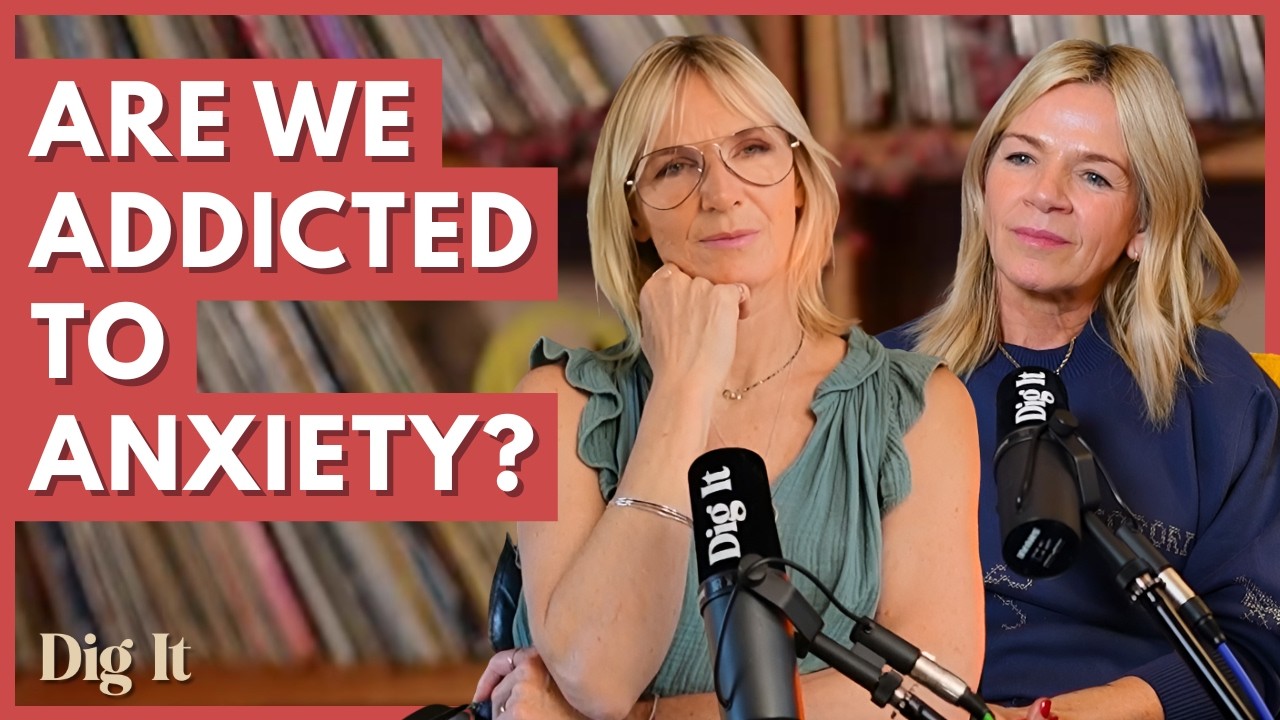
During the episode, Zoe and Jo are joined by mental health expert Owen O’Kane, a practicing psychotherapist and a Sunday Times bestselling author.
Zoe reveals that she’s tried one of his tips for managing anxiety, discussing how it went. This involved writing down a list of some of the things she was worrying about in that moment.
What to read next
When they’ve been written down, you talk about how much power you have over them. Once Zoe had done this, she says to Owen, “And I tell you what, Owen, I slept so well last night.”
She’d managed to rethink and reframe some of her worries, and realise they were different, or not quite as bad as she’d initially thought them to be.
“It was so helpful to realise that a lot of these things that I’ve been really worried about at the moment are really not that bad, are not necessarily my fault, and they’re probably going to work out,” she says.
Explaining further how the technique works, Owen says, “You’re teaching people that you can’t manage all of this at one time,” he says, meaning they can’t possibly manage all of the things they’ve written down at once.
“So it’s okay to be aware of what they are,” he adds, continuing, “but it’s equally okay to say, ‘Okay, that’s not for now. I’m not denying it, I’m not pushing it away, but what I am doing is saying, okay, I can put that aside for now.’”
The expert feels that by reframing worries this way, a person says to themselves, “That doesn’t need to come with me. I don’t need to bring that to bed. I don’t need to bring all of these worries to bed with me.”
He concludes, “And and that that creates great freedom for people.”