
 When Elon Musk revealed that he has Asperger’s Syndrome during his 2021 appearance on Saturday Night Live, millions of people heard the term for the first time. Autism used to be understood through a pretty narrow lens. A lot of people associated it almost entirely with significant communication difficulties or obvious developmental challenges, and not much else. That picture started to change as some well-known public figures began speaking openly about their very own experiences.One moment that really stuck out came in May 2021, when Elon Musk, the Tesla and SpaceX CEO, used his hosting debut on Saturday Night Live to share that he has Asperger’s Syndrome.It made headlines everywhere. For plenty of viewers, this was the first time they’d heard the term mentioned on a major entertainment platform, and it opened the door to a much bigger conversation about the autism spectrum, and about the assumptions people tend to make about what autistic individuals are capable of.
So what actually is Asperger’s Syndrome?
Asperger’s was once treated as its own diagnosis, separate from autism. People who received that diagnosis usually showed differences in social communication and behavior, but without the language or cognitive delays sometimes associated with autism more broadly.That changed in 2013, when the American Psychiatric Association folded Asperger’s into the wider category of Autism Spectrum Disorder (ASD) as part of an update to its diagnostic guidelines. So technically, Asperger’s no longer appears as a standalone diagnosis in the DSM-5. Even so, plenty of adults who were diagnosed before that shift still use the term, it’s part of how they understand their own history and identity.The National Institute of Mental Health describes ASD as a neurological and developmental condition that shapes how someone communicates, interacts, learns, and behaves.One thing worth keeping in mind: autism really is a spectrum. No two autistic people experience it the same way. Some need substantial day-to-day support, while others live independently, hold demanding careers, and become deeply skilled in particular fields.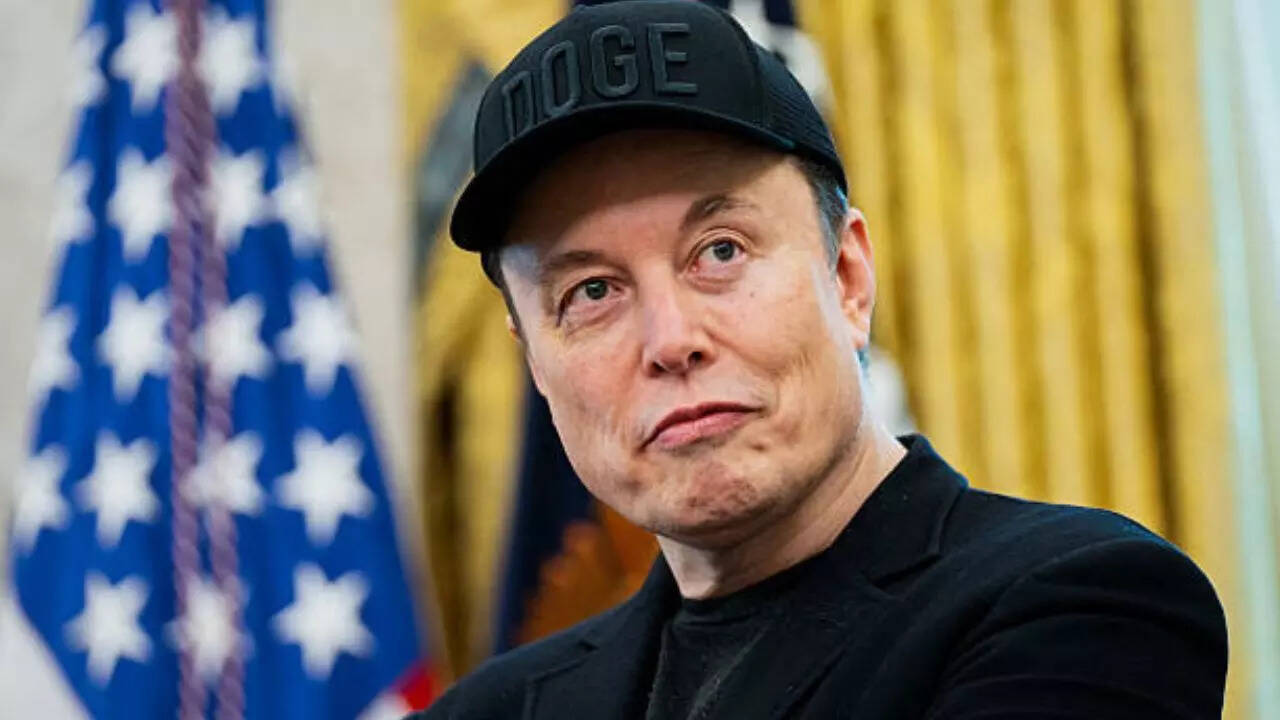
The disclosure sparked global discussions about autism, neurodiversity, and mental health. But what exactly is Asperger’s Syndrome, and why does the term remain widely used even though it is no longer an official medical diagnosis in many countries? Here’s what experts and research say.
How does it show up day to day?
People who were diagnosed with Asperger’s often say social situations just feel different to them than they seem to feel for everyone else. That can look like:Trouble picking up on social cues, facial expressions, or body languageAn intense focus on specific interests or subjectsA strong preference for routine and predictabilityHeightened sensitivity to sound, light, texture, or other sensory inputA communication style that’s more direct and literalNone of this is automatically a downside. These same traits come paired with real strengths, sharp attention to detail, deep focus, strong memory, creativity, or a knack for solving complex problems. That’s part of why the idea of “neurodiversity” has gained traction: the notion that neurological differences are natural variation in how human brains work, not flaws that need fixing.
Why did Musk’s announcement get so much attention?
The reaction went well beyond the tech world, and there’s a reason for that. A lot of people still carry outdated ideas about what autism looks like. So when one of the most recognizable entrepreneurs on the planet talked openly about being on the spectrum, it pushed back on those assumptions in a very public way.Mental health advocates have pointed out that this kind of disclosure can chip away at stigma, when someone with a large platform talks about a neurological or mental health condition, it tends to make the topic feel less hidden and more approachable for everyone else.That said, experts were quick to add some context: no single person’s experience can stand in for autism as a whole. Musk’s story reflects his own circumstances, his opportunities, his strengths, the specific challenges he’s dealt with. It’s not a blueprint for what autism “looks like” in general.Even so, the moment got a lot of people, families, individuals, professionals, asking questions and looking for better information. And in a culture where many people spend years masking who they really are just to fit in, having these conversations out in the open can create a bit more room for acceptance.
What’s the connection between autism and mental health?
Autism itself isn’t a mental illness, it’s a neurodevelopmental condition. But that doesn’t mean mental health doesn’t come into the picture. Autistic people often face real challenges here, frequently because they’re navigating environments that weren’t really built with their needs in mind.Research from public health agencies has found that autistic individuals tend to experience higher rates of anxiety, depression, isolation, and stress than the general population. Part of the reason is “masking,” the ongoing effort to adapt to social expectations that don’t come naturally, which can be genuinely exhausting over time.There’s been a shift in how experts frame the solution, too. The question has moved from “how can autistic people change to fit in?” to “how can the people and systems around them adapt instead?” That reframing might be one of the more meaningful shifts in autism awareness over the last decade.Disclaimer: This article is for informational and educational purposes only and isn’t a substitute for medical advice. Autism Spectrum Disorder looks different in every individual, and anyone seeking a diagnosis, treatment, or support should talk to a qualified healthcare professional, psychologist, or developmental specialist. The information here draws on guidance from recognized public health and government health agencies at the time of writing.