
MILWAUKEE — For many people who attended a recent Milwaukee County budget hearing, the discussion wasn’t about dollars and cents.
It was about survival.
Residents in recovery, treatment providers, and community organizations gathered at the Marcia P. Coggs Health & Human Services Center to speak about programs that have helped people overcome addiction, find stable housing and, rebuild their lives.
Many of those who testified shared a common concern: What happens if the services they rely on are no longer available?
A Second Chance
Daniel Tsulkowski told county leaders that earlier this year, alcoholism had taken nearly everything from him.
“My job, my apartment, my car, and my sense of hope,” he said.
Tsulkowski testified that after being connected to recovery services through First Step Community Recovery Center, treatment at Jeannetta Robinson House, and later housing support through Sankofa Sober Living House, he was able to begin rebuilding his life.
“When I entered the system, I had no hope,” Tsulkowski said. “Today I am healthy, sober, and rebuilding my life.”
He credited the recovery programs and support staff he encountered along the way for helping him find stability. “Without these programs, people like me don’t get a second chance,” he told the committee.
“If It Wasn’t for These Resources, I Wouldn’t Be Here“
Kathy Wilder’s testimony drew emotional reactions from those in attendance. She nearly died during her recovery journey after suffering a massive heart attack and stroke.
According to Wilder, her heart stopped multiple times, and she spent 47 days brain dead before beginning a lengthy recovery process.
“I had to learn how to walk. I had to learn how to talk,” Wilder said.
She recalled how staff connected to Sankofa House continued to support her throughout her hospitalization and recovery.
“They were there every step of the way,” she said.
Today, Wilder says she is rebuilding her life and regaining her independence.
“If it wasn’t for these resources, I wouldn’t be here,” Wilder said. “I pray that they don’t close it down. People are still suffering and need help.”
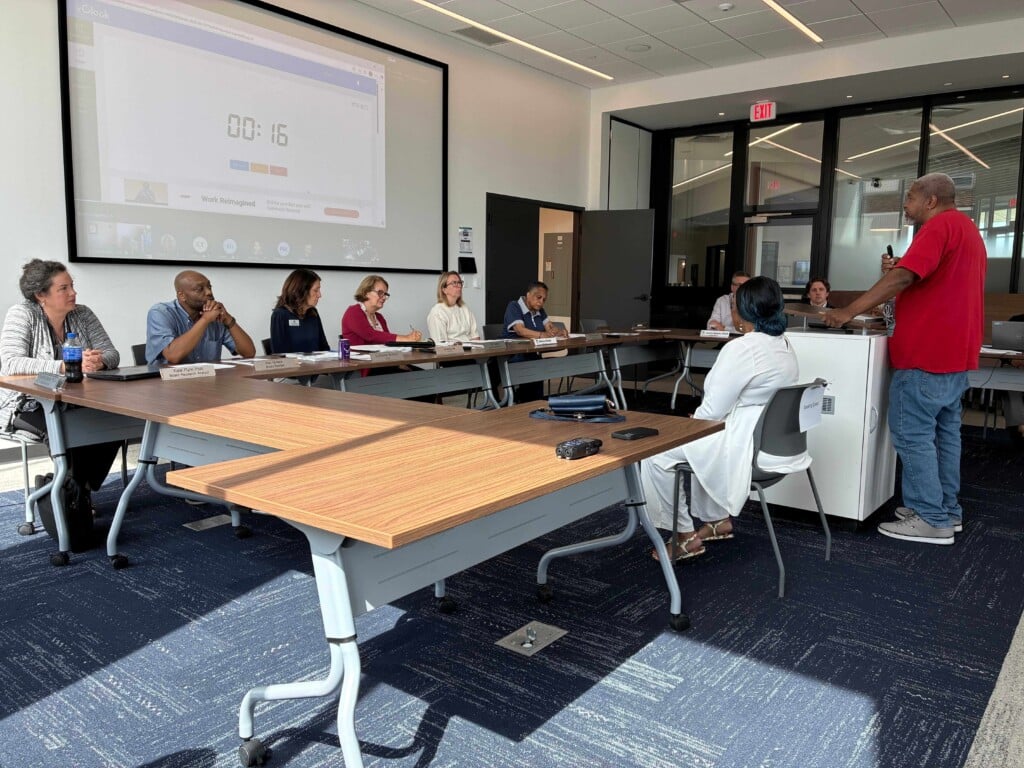 Milwaukee County Mental Health Board – Finance Committee meeting on June 15, 2026.
Fear of Being Left With Nowhere to Go
For Kyesha Phelps, the uncertainty surrounding future services has become deeply personal.
Phelps told county officials she completed treatment and recovery programming through First Step and Sankofa House. Now, she fears what happens next.
“I have nowhere to go,” Phelps said.
The 51-year-old said she lacks family support and worries about losing access to resources that helped her maintain stability.
“I don’t have no friends. I don’t have no family. I don’t have any resources. I’m lost.”
Phelps described Sankofa House as a place that provided structure, support, and hope during her recovery.
Providers Say Recovery Requires More Than Treatment
Torre Johnson, program manager of Sankofa House, told county leaders that recovery often requires long-term support beyond initial treatment.
Johnson, who said he has been sober for more than 36 years, argued that housing, accountability, and ongoing support are critical parts of the recovery process.
“When you say it works, but we’re going to shut it down, that doesn’t make sense,” Johnson said during his testimony.
Johnson questioned what alternatives would be available for residents currently relying on recovery housing and support services.
Several speakers echoed similar concerns, saying stable housing can be the difference between continued recovery and relapse.
More Than One Organization Raises Concerns
The hearing also featured testimony from representatives of Impact Connect, a care coordination platform that helps connect residents to services such as housing assistance, behavioral health care, transportation, and employment support.
Stuart Thomas, a member of Impact’s Board of Directors, told county officials that recovery often depends on more than treatment alone.
“Housing, food, transportation, employment, and access to benefits all directly impact health and recovery,” Thomas said.
Victor Ike, a former case manager, testified that many individuals seeking help face multiple challenges at the same time.
“Many of my clients were facing multiple challenges at once,” Ike said. “They need food, housing, behavioral health support, substance use treatment, employment and transportation.”
Both speakers emphasized the importance of coordinated services for people attempting to stabilize their lives.
A Common Message
While the organizations represented at the hearing provide different services, many of the people who spoke delivered a similar message: recovery is not a one-size-fits-all process.
For some, it begins with detox. For others, treatment. For many, recovery housing and long-term support become the bridge between addiction and independence.
The hearing highlighted the stories behind those services — stories of people who say they were given another chance when they needed it most.
For Daniel Tsulkowski, Kathy Wilder, and Kyesha Phelps, the issue isn’t political. It’s personal.
As county officials continue discussions about behavioral health funding, many residents say they simply want to ensure that others facing addiction will have access to the same opportunities that helped change their lives.