
To those who knew him, Noah Silver was a bright, happy child identified as gifted with a penchant for playing instruments. He started playing bass guitar at the age of 11 and picked up acoustic guitar a year later. Silver took guitar lessons and taught himself to play drums. But in his teen years, something changed, his mother, Kartar Diamond said.
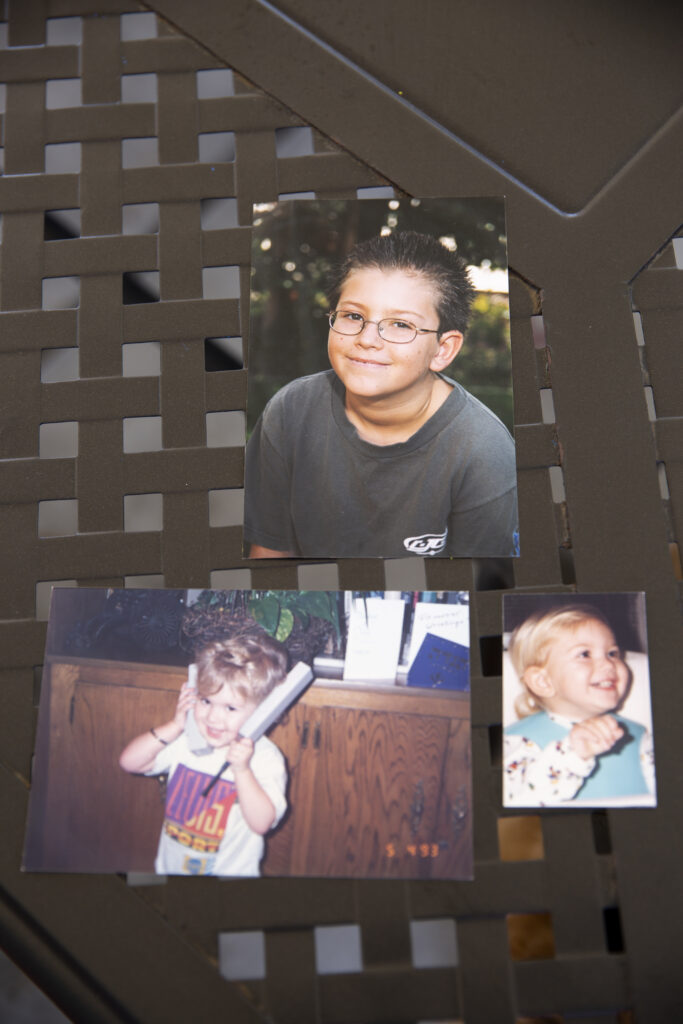 Childhood photos of Noah rest on a table at the John Henry Foundation. Jenna Schoenefeld for California Health Report/CatchLight
Over the course of a summer, Silver became rebellious and moody, Diamond recalled. What she hoped was a phase soon spiraled into paranoia and delusions of grandeur. Noah began to believe he was a great spiritual leader and became paranoid that every musician in L.A., including a neighbor, was stealing his musical ideas. Noah Silver is a pseudonym, used at the family’s request to protect his identity.
For years, Silver was misdiagnosed by clinicians as having social anxiety or bipolar disorder. Some psychiatrists thought his condition might be a phase due to the behaviors manifesting in Silver’s teen years, Diamond said.
Finally, a visit to a psychiatrist at UCLA when he was 17 years old revealed the truth. “He said, ‘No, this is schizophrenia,’ and he actually gave me a pretty dark view of what the future was going to look like,” Diamond said. Schizophrenia is often misdiagnosed as bipolar disorder because schizophrenic symptoms can mirror mania episodes associated with bipolar disorder.
The diagnosis was difficult for the entire family. Diamond was upset because she didn’t want her son to have to go through life with a mental illness but knew she had to accept the situation if she wanted to help him. For years, she struggled to find care for her son due to a lack of quality residential housing programs in California, expensive monthly rates, and long waiting lists at both public and private long-term psychiatric facilities.
Now 35, Silver lives in a residential housing program in Orange County for people with severe mental illnesses. It is run by the John Henry Foundation, a nonprofit organization serving clients with schizophrenia. Diamond said that her son’s seven-year stay there has been far better than any other facility he has lived in. Silver’s tumultuous care journey resulted in stays at nine different board and care facilities as well as a recovery residence for formerly incarcerated persons, five hospitalizations, and a bout of homelessness. Diamond signed up her son Silver for John Henry’s waiting in 2016, and in 2019 he moved into their campus in Santa Ana.
“I feel really grateful that he’s there,” she said. “It is like a needle in a haystack.”
Silver isn’t alone. About 1 in 20 people experience serious mental illness in the U.S. each year. In California, thousands of people are admitted to public psychiatric hospitals annually. An L.A. Times’ database compiled thousands of recorded abuses that have occurred across the state’s 154 psychiatric hospitals since 2009. Mental health advocates, researchers and providers are doing what they can to increase access to care, while improving its quality.
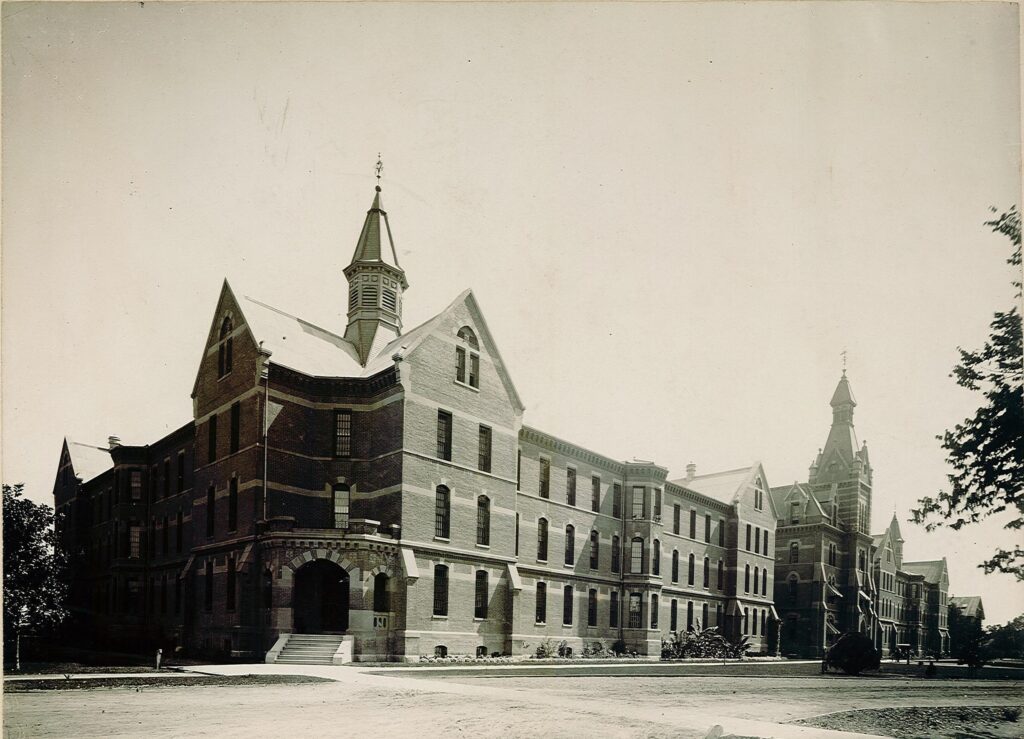 The Stockton State Hospital photographed by John Pitcher Spooner via Holt-Atherton Special Collections, University of the Pacific Library
California’s murky history of mental health care
California’s history of institutionalized psychiatric care is long, messy and riddled with systemic abuse. The state’s first mental health institution, Stockton State Hospital, opened in 1853 under the name “Stockton State Insane Asylum.” Throughout the decades, patients were repeatedly subjected to now out-of-date practices like lobotomies and electroshock therapy; lobotomies fell out of practice in the 1950s but are still legally performed in some states. Abuse inside asylums and hospitals partly led to a deinstitutionalization movement in the 1950s and 1960s.
Over the next few decades, state legislators passed several laws in an attempt to regulate the treatment of people inside locked, psychiatric hospitals.
Silver stayed in a handful of these locked board-and-care facilities, and Diamond said his condition didn’t improve. She was surprised when Silver agreed to stay at the John Henry facility because of the bad treatment he had experienced at other facilities. One bad experience involved a fellow patient rewarding Silver with methamphetamine to do errands.
“ Even in the fog of his mental illness — he had lived at a dozen different horrible boarding cares, dual diagnosis centers, sober living houses and whatnot — he could recognize that it was a really nice, clean place,” Diamond said.
Residential housing programs like the John Henry Foundation facility don’t just house adult clients, they also hire staff members that are equipped to meet the needs of people with multiple diagnoses. These individuals are considered at high risk of causing harm to others and themselves, usually on conservatorships, and have often spent years, even decades, living in locked psychiatric hospitals.
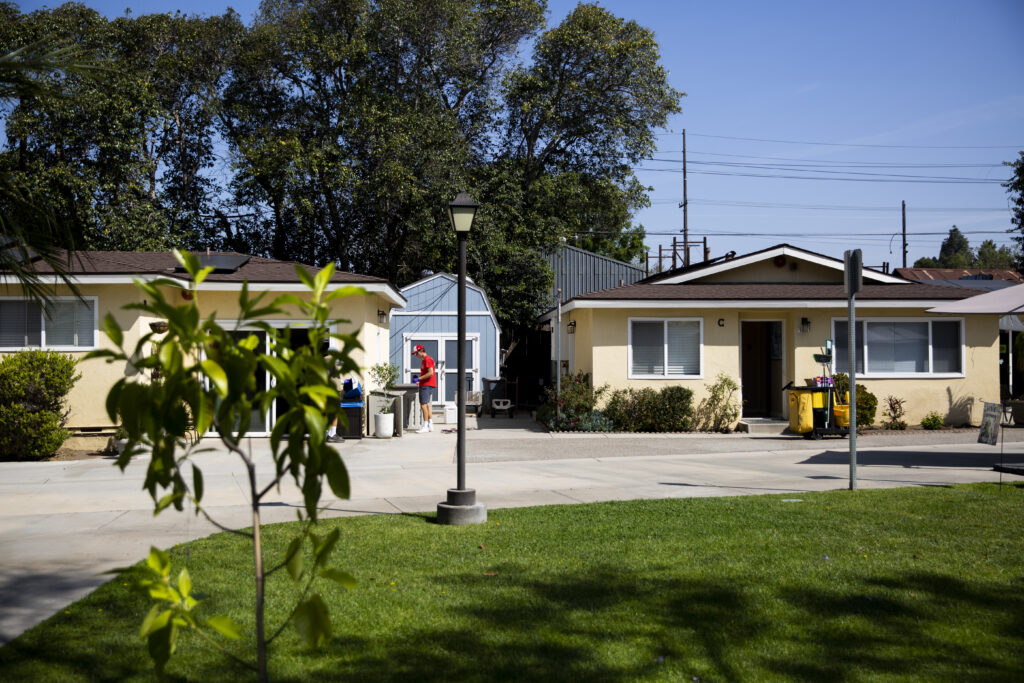 A resident steps outside at the John Henry Foundation. Jenna Schoenefeld for California Health Report/CatchLight
The Orange County home is among dozens of recommended residential housing sites in the 2020 Housing that Heals Report, an analysis of different California-based facilities treating people with severe mental illnesses. Mental health advocates Teresa Pasquini and Lauren Rettagliata visited multiple locations to pen the report. They hoped it would serve as a guide for providers and families looking for housing and recovery options for people with severe mental illness.
Pasquini went through similar struggles to the Diamond family when trying to find the proper care and treatment for her son Danny Pasquini, who experienced a psychotic break when he was 15 years old. Danny Pasquini lives at Psynergy’s Nueva Vista campus in Morgan Hill, a city in Santa Clara County. Psynergy Programs, founded in 2005, operates the residential housing program for people with severe mental illnesses. The company, which has six locations in California, offers individual and group therapy, dual support for mental illness and substance abuse, and case management support.
On an average day, you can find Danny Pasquini in his room listening to music or maybe hanging out in Psynergy’s courtyard. He has a calm demeanor but perks up when he’s ready to talk about his interests and maybe even show off his breakdancing skills. Teresa Pasquini said her son, who is 43, has been in and out of many locked facilities where he struggled with drug use. He was eventually diagnosed with both schizoaffective disorder and a substance abuse disorder. Teresa Pasquini said that Psynergy’s programming has helped her son maintain his sobriety.
Unlike locked institutions, both Psynergy and the John Henry Foundation both have an open-door policy at their facilities that allows residents to resume regular life activities like attending college, provided they pass certain requirements.
 A resident participates in the morning meeting at the John Henry Foundation, where staff cover daily activities and reminders with residents. Jenna Schoenefeld for California Health Report/CatchLight
Residents at John Henry Foundation live in bungalow style dorms and have access to an outside courtyard and recreation center. Clinical staff members are available on site to work with clients through therapy, and medical staffers work residents to figure out their psychiatric needs.
Andrew Kami, the foundation’s clinical director, said the first step to figuring out the appropriate treatment for people with schizophrenia is to help create stability in their lives. Establishing stability, Kami said, starts with speaking with a client and understanding who they are beyond their mental condition. That’s important when treating schizophrenia, a neurological disorder that impacts memory, critical thinking and processing. People with schizophrenia can experience anxiety, panic attacks and delusions. Knowing more about a person’s personality helps Kami and his clinical team provide better support in treating these symptoms through therapy sessions.
“We try to establish some understanding and a shared relationship and then from there, that’s when we’ll start to get a bit more of the information around how the things that they’re experiencing impact their lives,” Kami said.
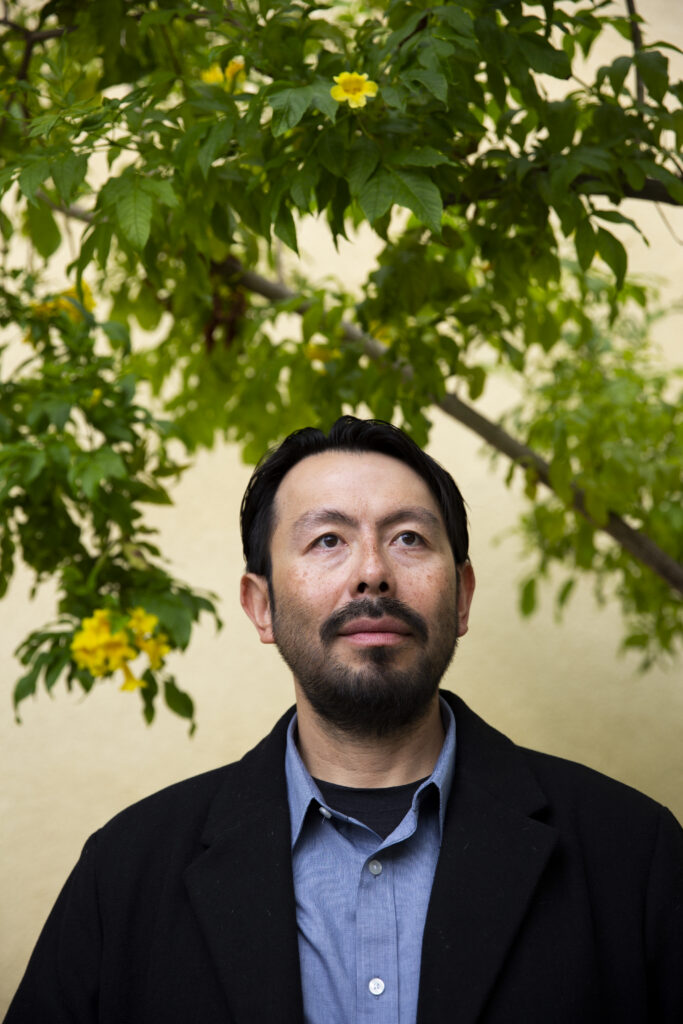 Dr. Andrew Kami. Jenna Schoenefeld for California Health Report/CatchLight
Understanding and treating a schizophrenia diagnosis
For Orange County resident Peter “Pete” Labahn, understanding his brother John Labahn’s diagnosis has been a lifelong pursuit. John Labahn is a resident at the John Henry Foundation home and spends his days watching the news or reruns of the Western TV show “Gunsmoke” and the detective drama “The Rockford Files.” He also enjoys going on scheduled outings with staffers and fellow residents to places like a local cafe or the beach. Pete Labahn will visit his brother for his medical appointments and stays in contact with foundation staff members about his care status.
Pete Labahn was 10 years old when his parents sat him down and explained that his younger brother John Labahn had a learning disability. Their family moved around different cities, and the Labahn brothers found themselves attending a number of public, private and international schools. John Labahn was about 16 years old when schizophrenia-like symptoms began to manifest, which made being in conventional school environments next to impossible. Over the next few decades, he was hospitalized at several facilities where his condition only worsened. Pete Labahn eventually took over his brother’s conservatorship from their parents and is now his brother’s primary caretaker.
John Labahn’s condition has improved in the last 25 years because of his growing willingness to participate in treatment, Pete Labahn said. He was previously enrolled at the John Henry Foundation Pete Labahn said he had a good experience with the foundation but moved his brother for other reasons. John Labahn reentered in 2018, which Pete Labahn said has been a good experience as well. “The staff there proved to be more than capable of dealing with his needs, particularly on medical issues,” Pete Labahn said.
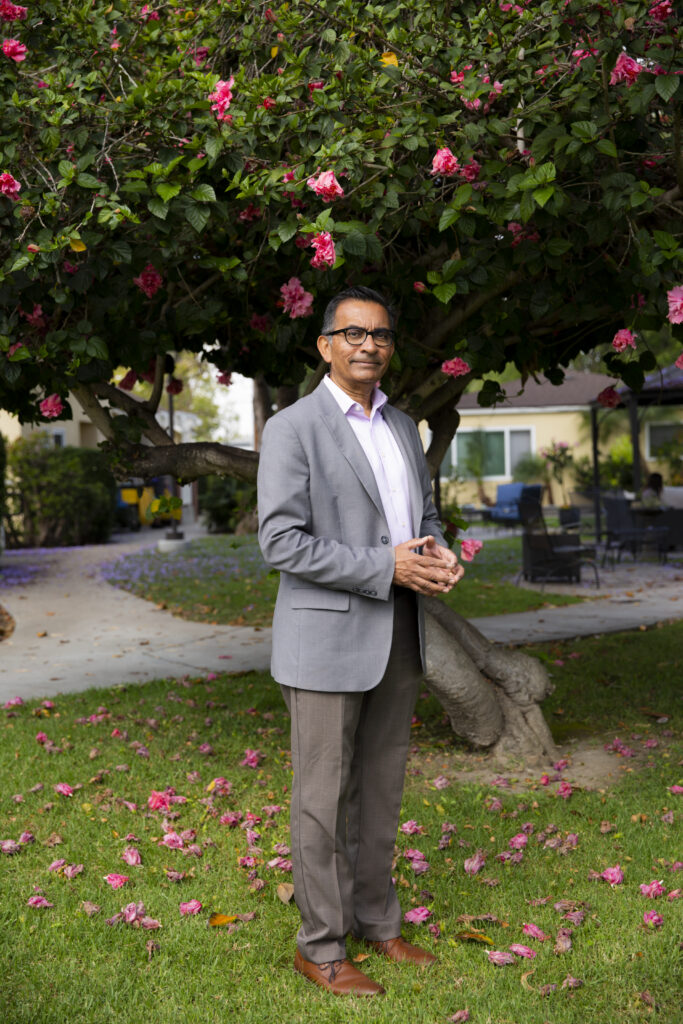 Dr. Rimal Bera. Jenna Schoenefeld for California Health Report/CatchLight
Dr. Rimal Bera, the foundation’s medical director, is currently looking at how psychiatric care can be improved at the facility and beyond. Outside of the foundation, Bera has taught psychiatry at UC Irvine for 35 years. He works with faculty as well as students to research how schizophrenia affects a person’s perception of reality. Bera said that thought disorders like schizophrenia are related to certain abnormalities in neurotransmitters in the brain. Those abnormalities are what cause symptoms like hallucinations, paranoia and delusions.
“ As we are understanding more specifically what’s causing these symptoms, we can now develop medications that actually impact those neurotransmitters with the goal of decreasing hallucinations, paranoia, non-real thoughts,” Bera said. Medications are also being developed to target symptoms related to lethargy and absence of thoughts, which are associated with schizophrenia.
Beyond medication, he believes it’s crucial to establish a trusting relationship and support system with the client and the family. The number one reason for relapse, Bera said, is when the person stops treatment because they are starting to feel better. ”One real big challenge is how do we help that individual stay on medicines, but still have the discussion of, ‘If you’re thinking about coming off, let’s do that together as a team,’” Bera said.
Mindy Andrews, the foundation’s executive director, said being willing to adapt is one of the keys to providing good care to clients. “Someone who’s very stable today may not be as stable in six months,” Andrews said. “So we have to remain fluid and really willing to change to meet people’s needs.”
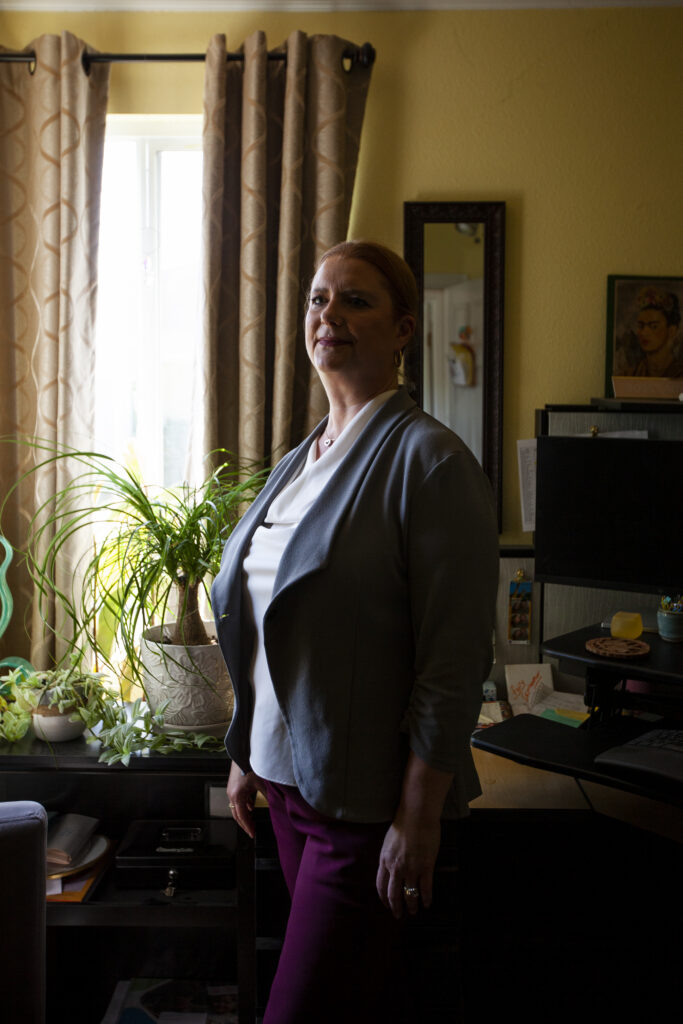 Mindy Andrews. Jenna Schoenefeld for California Health Report/CatchLight
How to provide accessible mental health care?
Still, there are challenges. The foundation has an extensive waiting list, so it can take years for patients to be accepted. The facility’s age range is 18 to 59 years old, although it can continue to house patients past this age range, so long as the organization can meet certain state standards. Diamond said that the monthly payment is expensive. The program costs $4,250 per month. It’s worth it for her though, compared to conditions at other facilities.
“Just by virtue of my son living at a place where everybody is trying to do the best they can instead of being derelict, that helps,” Diamond said.
As a researcher, Bera is consistently thinking of how the John Henry model can be replicated at psychiatric facilities across the state. The stakes are high, as the life expectancy of people with schizophrenia is 20 years lower than the average. From a psychiatric residential housing standpoint, Bera said that it’s important for providers to think about how the biological, psychological and social parts of care are intertwined. People with schizophrenia need the right medication, consistent therapy sessions and encouragement to continue taking care of hygiene and interacting with others.
“Death is from multiple conditions,” Bera said, “so you’ve got to really address all those areas to have comprehensive treatment.”
 Dr. Rimal Bera writes notes following a session with a resident at the John Henry Foundation. Jenna Schoenefeld for California Health Report/CatchLight
At the state level, Bera wants more people to be aware of the systemic cost of hospitalizing and incarcerating people with schizophrenia and other severe mental illnesses. While California’s county jail population continues to decline, the number of inmates experiencing mental health needs has steadily increased since 2011. In an attempt to address the issue, California is currently participating in a federal pilot program that is allocating hundreds of millions of dollars to several states to expand and improve short-term care in mental hospitals and in residential facilities for 24/7 psychiatric care.
A critical barrier in expanding care is staffing. Less than one-third of the U.S. population resides in an area where there are enough available psychiatrists and other mental health professionals. California is also experiencing a shortage of space in both public and private psychiatric facilities. In January, state officials chose to momentarily delay implementing emergency staffing rules for psychiatric hospitals, which would increase staffing requirements.
“ If we could have public policy that provides medications, case managers, social workers, access to psychiatric, homelessness and incarceration would significantly go lower,” Bera said.
Pete Labahn believes that his brother might be in a locked facility or experiencing homelessness if he didn’t receive the treatment he’s receiving at the John Henry facility. “ I think about it every time I drive down First Street in Santa Ana to go see my brother or go see my brother, because it’s on full display, the same challenges that my brother would be facing if he had been born under different circumstances,” he said.
Bera is hopeful that what’s being achieved at John Henry will be made available to others struggling to find the right kind of treatment. Part of his research at UC Davis, he said, is looking at health economics data to understand what treatments are working, which then can be presented to state lawmakers for funding consideration. Bera mentioned efforts made by USC’s Street medicine team to bring clinical services to LA’s homeless population, including psychiatric services.
He is also involved in training primary care doctors in the basics of how to approach a patient who is exhibiting signs of schizophrenia. This is critical work as there is currently a shortage of psychiatric specialists.
” Our job as psychiatrists is to make sure we do the best to advocate for our patients,” he said.
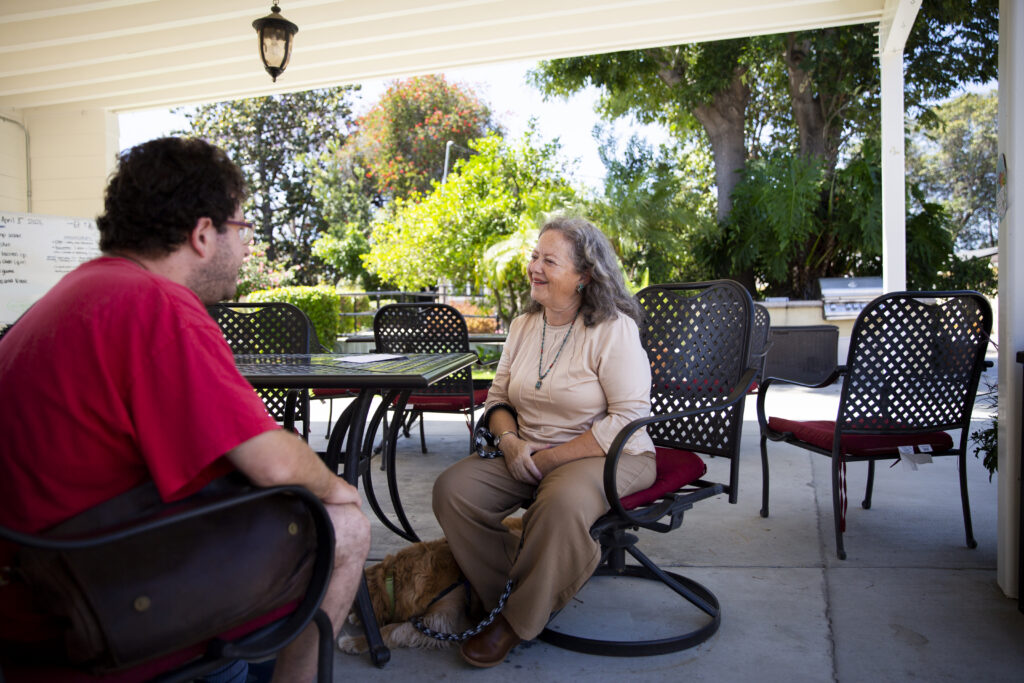 Kartar Diamond spends the afternoon with her son Noah at the John Henry Foundation. Jenna Schoenefeld for California Health Report/CatchLight
While providers are thinking of how to better serve their patients, Diamond takes each day as it comes. Though she feels she will always harbor some uncertainty about what happens to her son, she takes moments to enjoy his progress. Diamond shared a recent example. Something upsetting happened to her, and when Silver found out, he called the next day to check on her.
“ When somebody’s deep in their own psychosis, they only care about themselves and their own needs,” Diamond said, “and to have him show that kind of interest in somebody besides him and show empathy, that was like the old him.”
Visuals Editing by Alyssa Schukar at CatchLight.
California Health Report is part of the Mental Health Parity Collaborative, a group of newsrooms
that are covering stories on mental health care access and inequities in the U.S. The partners on the collaborative include The Carter Center and newsrooms in select states across the country.
This story was produced in partnership with CatchLight as part of their three-year Mental Health Visual Reporting Initiative.
Mental Health Resources:
National Alliance on Mental Illness’ guide to shaping mental health discussions on Schizophrenia and Psychosis
Latinx Therapy directory
Immigrant Rising’s list of BIPOC and LGBTQ+ mental health directories and hotlines
Asian Mental Health Collective therapist directory
UndocuHealth mental health directory
National Suicide Prevention Lifeline: Call or Text 988. Multiple language services available
National Alliance on Mental Health: Call 1 (800) 950-6264 or Text NAMI to 741741
BIPOC Blackline mental health hotline: 1 (800) 604-5841
This article first appeared on California Health Report and is republished here under a Creative Commons Attribution-NoDerivatives 4.0 International License.