
In recent years, more and more parents and educators have been reporting that children and teenagers are struggling to relax. They react more quickly, become impatient more easily, have difficulty sitting still for long periods of time and sometimes “explode” over completely everyday situations. Behind these behaviors, there is not always a discipline problem, but often ongoing emotional overload, stress and difficulty with emotional regulation.
“The body and the emotional system are connected far more deeply than most people realize,” explains Prof. Ran Yanovich, head of the Department of Physical Education and Movement at Seminar Hakibbutzim College. “When children are under prolonged stress, anxiety or emotional overload, it affects the way the body reacts. Their frustration threshold becomes lower, reactions become faster and the ability to pause before responding impulsively is reduced.”
3 View gallery
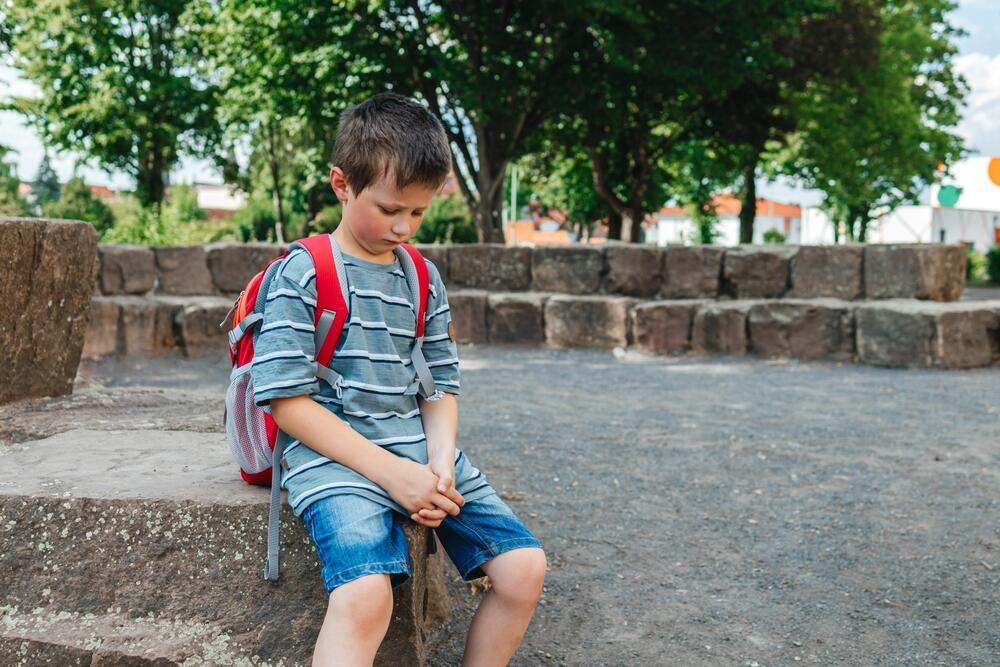
According to Yanovich, this is exactly where physical activity can become a meaningful coping tool. “We tend to think about sports mainly in terms of fitness or physical health, but in practice, it is also a tool for emotional regulation. Physical activity helps reduce stress, balance the body’s stress system and improve the sense of self-control.”
This connection is also supported by research. According to the World Health Organization, regular physical activity among children and adolescents contributes not only to physical health, but also to mental health, anxiety reduction and improved emotional well-being. At the same time, the organization notes that most teenagers around the world do not engage in sufficient physical activity as part of their daily routine.
Yanovich emphasizes that children do not need intense training programs in order to benefit. “The most important thing is consistency and finding an activity that fits the child. It can be ball games, running, cycling, swimming or even a short activity at the park. The goal is not to create another source of pressure or achievement, but to allow a healthy release of tension and movement that creates balance.”
So how can parents help children incorporate more movement into their routine without turning it into another daily struggle? Prof. Yanovich offers several simple principles that can make a meaningful difference:
3 View gallery
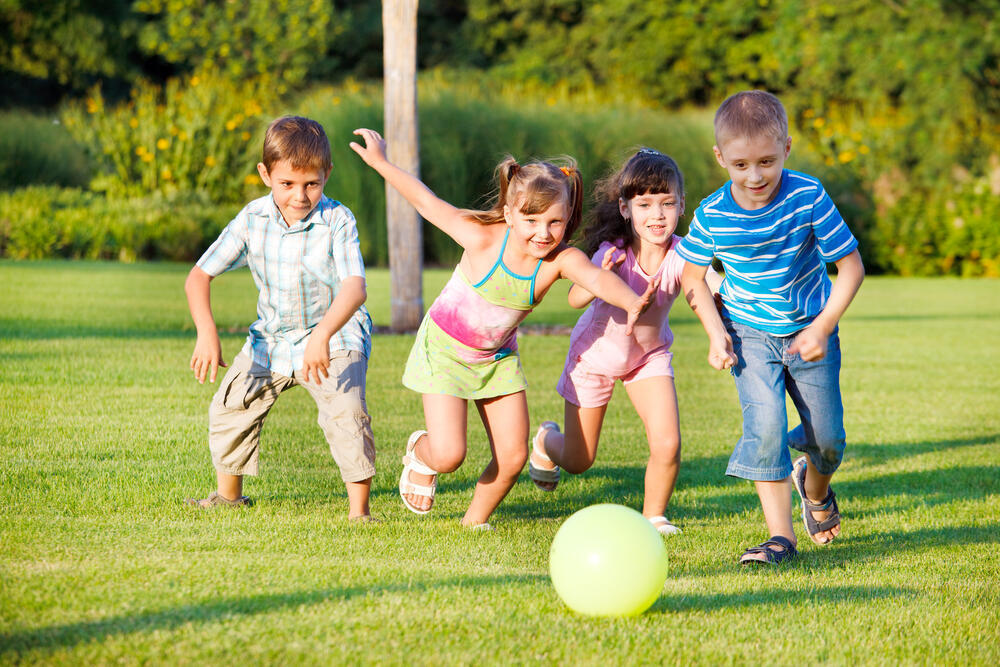
Don’t wait for a “crisis” before encouraging movement
“One of the most common mistakes is treating physical activity as a solution only after there has already been an emotional outburst, anger or stress,” says Ran Yanovich. “But just like sleep or nutrition, movement needs to be part of a regular routine.”
According to him, children who move consistently throughout the week gradually develop a better ability to cope with stress, frustration and everyday pressures. Even relatively short activities, if done consistently, can help the body and nervous system reach a more balanced state.
Choose an activity the child genuinely enjoys
Not every child connects to the same type of activity, and this is a key factor in success. “Some children will enjoy team sports, while others may prefer swimming, running, martial arts or even dancing,” Yanovich explains.
“The goal is not to turn every child into a competitive athlete, but to find an activity they look forward to rather than fear.” He adds that once physical activity is experienced as enjoyable instead of a task or obligation, children are far more likely to stick with it and the emotional benefits become much stronger.
3 View gallery
Understand that movement can actually help children calm down
“Adults often respond to restless children by trying to stop them ‘Sit down,’ ‘Calm down,’ ‘Stop moving,’” says Yanovich. “But for many children, movement itself is what helps the system calm down.”
According to him, after a long school day, extended screen time or emotional overload, the body is often left carrying accumulated tension. Physical activity helps release some of that stress in a healthier and more regulated way, instead of allowing it to erupt through anger, irritability or impatience.
Reduce screen time
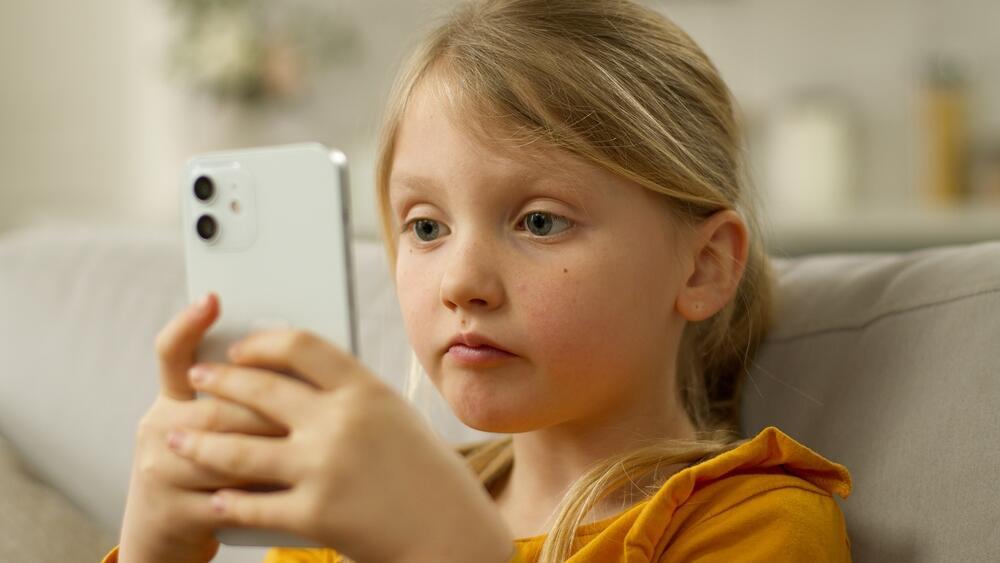
According to Yanovich, one of the central challenges today is that children spend many hours sitting in front of screens, often with very little physical movement throughout the day. “The sharp transition between intense digital stimulation and the need to suddenly return to calmness or concentration is not always easy for children’s nervous systems,” he explains.
Instead of turning the issue into a constant battle over phones or computers, he suggests creating more active alternatives within the family routine- evening walks, shared games, bike rides or even a short trip to the park.
 Prof. Ran Yanovich Photo: Courtesy
Remember that not every activity has to be “competitive”
“We live in a very achievement-oriented world, and sports for children can sometimes become another source of pressure and competition,” says Yanovich. “But physical activity does not have to be measurable or competitive in order to have a positive effect.”
According to him, simple, non-competitive, low-pressure activities can be especially meaningful for children dealing with emotional stress, anxiety or social difficulties. “Sometimes the fact that a child is simply moving, enjoying themselves and feeling better in their own body is already a significant change.”
Yanovich stresses that physical activity is not a “magic solution,” but it can absolutely become a meaningful part of a healthier routine. “At the end of the day, children need space to release tension, breathe and feel capable of coping with the world around them,” he says. “Movement is one of the simplest, most accessible and most effective ways to give them that.”