
Following a Mediterranean-style diet during adolescence was linked to lower social and separation anxiety, while mothers who ate the same way during pregnancy had children with lower overall anxiety scores years later.
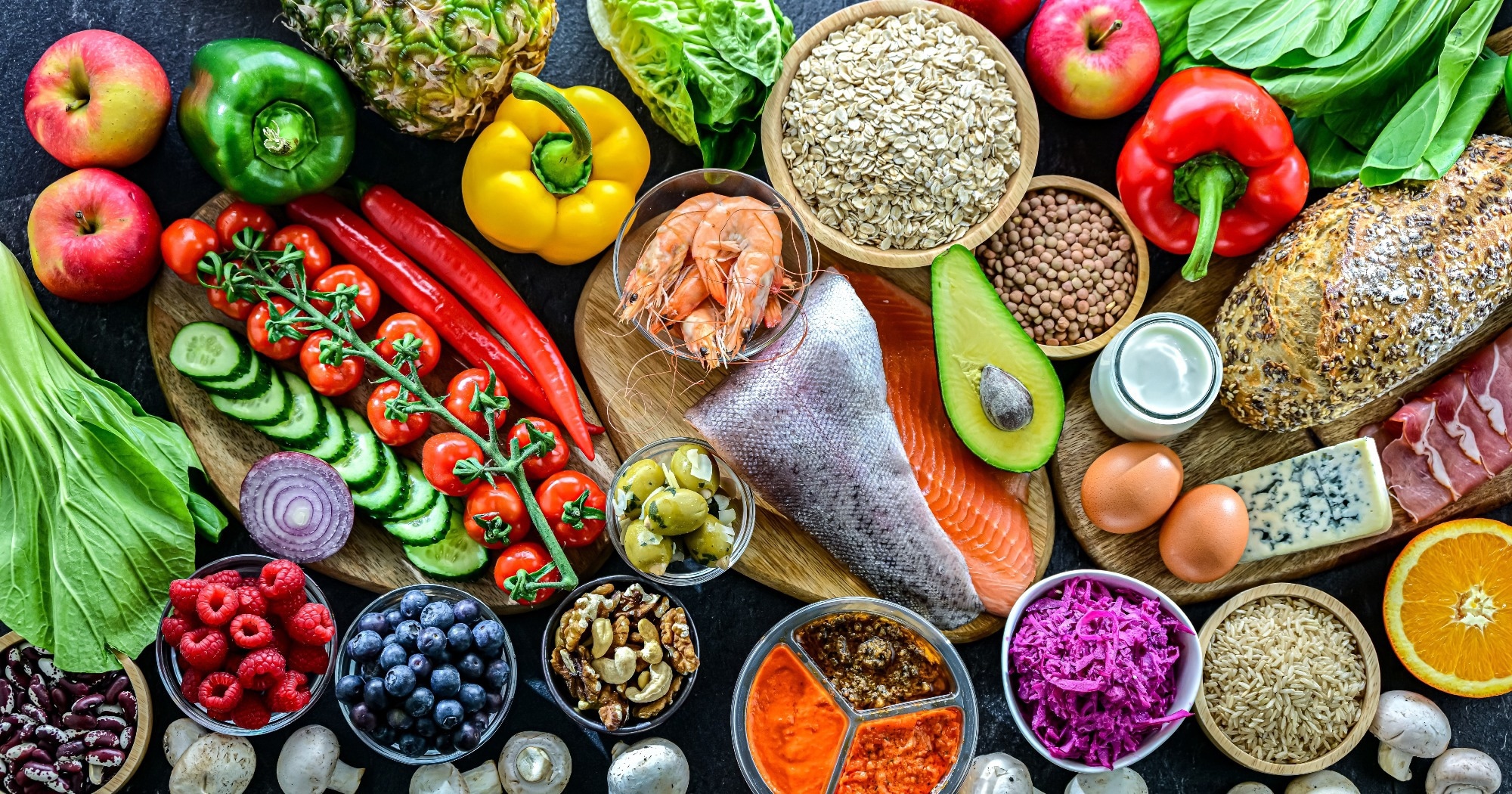 Study: Adolescent and Maternal Mediterranean Diet During Pregnancy Is Associated with Anxiety Symptoms in Early Adolescence: Results from the KLOTHO Cohort. Image credit: monticello/Shutterstock.com
Adherence to the Mediterranean diet during adolescence is associated with lower levels of specific anxiety symptoms and lower overall anxiety symptoms, as reported by a new study published in Nutrients.
Mediterranean diet emerges as a mental health factor
The adolescent period is associated with a range of biological, psychological, and social changes, which often trigger emotional distress, particularly anxiety-related disorders. These disorders may also persist into adulthood and cause long-term mental health problems.
Several modifiable lifestyle factors, including a healthy dietary pattern, have been found to significantly impact mental health. Adherence to the Mediterranean diet has constantly been linked to reduced risk of depression and improved mental well-being in adults.
Studies in children and adolescents, however, have produced mixed results. While some studies have found a link between a healthy dietary pattern and improved emotional or behavioral outcomes in children, some have reported negligible or no beneficial impact, particularly after adjusting for other lifestyle and socioeconomic factors.
The current study aimed to decipher the impact of eating a Mediterranean diet on a range of anxiety-related symptoms, behavioral difficulties, and mood-related outcomes in adolescents. The association between maternal adherence to the Mediterranean diet during pregnancy (prenatal exposure) and adolescents’ mental health outcomes was also explored, because prenatal nutrition may influence neurodevelopmental programming through epigenetic, metabolic, and microbiome-related pathways.
KLOTHO cohort tracks diet and mental health
This study is part of the KLOTHO cohort, a prospective observational birth cohort that investigates the early-life determinants of long-term health outcomes in offspring. A total of 86 adolescents were enrolled in the study. Their dietary adherence was assessed using a validated dietary index, wherein higher scores indicate greater adherence to the Mediterranean diet.
Maternal adherence to the Mediterranean diet was assessed during pregnancy using a semi-quantitative food frequency questionnaire. Adolescents’ mental health outcomes were assessed using validated questionnaires.
Mediterranean diet linked to lower anxiety symptoms
The analysis of dietary adherence showed moderate adherence in both adolescents and mothers. The analysis of mental health outcomes in adolescents showed low-to-moderate levels of behavioral difficulties and a low burden of depressive symptoms. Higher Mediterranean diet adherence was associated with lower social phobia and separation anxiety scores.
The correlation analysis revealed that a higher adherence to the Mediterranean diet is significantly associated with lower anxiety levels in adolescents. Similar benefits were observed among adolescents in relation to maternal adherence to the Mediterranean diet during pregnancy, reflecting the potential impact of prenatal nutritional exposure on anxiety-related outcomes.
However, the observed association between adolescent Mediterranean diet adherence and overall anxiety levels became statistically non-significant after controlling for gender, body mass index, sleep duration, and physical activity, suggesting that key lifestyle factors, particularly sleep duration and physical activity, may potentially influence the observed associations with anxiety symptoms.
The analysis controlling for these confounding factors revealed that a higher adherence to the Mediterranean diet during adolescence is independently associated with lower levels of specific anxiety symptoms, including social phobia and separation anxiety. Maternal adherence to the Mediterranean diet during pregnancy remained independently associated with lower overall anxiety levels in offspring after adjustment for these factors, although it was not consistently associated with specific anxiety subdomains. The researchers noted that the observed associations were modest in magnitude and should be interpreted with caution.
Current eating habits show strongest anxiety links
The study reveals that adolescents with higher adherence to the Mediterranean diet experience lower levels of anxiety, particularly social phobia and separation anxiety. However, no significant impact of such dietary adherence has been observed on overall behavioral difficulties or mood-related outcomes.
Notably, the study finds that adolescent adherence to the Mediterranean diet showed more consistent associations with specific anxiety symptoms than maternal diet during pregnancy. This finding suggests that adolescents’ current dietary habits are more closely associated with their emotional outcomes, possibly because adolescent brains undergo ongoing neurodevelopmental changes and remain highly responsive to environmental influences, including nutrition.
However, the researchers advised that comparisons between maternal and adolescent dietary patterns should be interpreted cautiously, as they may reflect shared familial and environmental influences.
Several biological mechanisms can explain the observed associations between the Mediterranean diet and anxiety symptoms. This dietary pattern is characterized by a high intake of fruits, vegetables, whole grains, legumes, olive oil, and fish, which are rich sources of nutrients that support brain function, including omega-3 fatty acids, B vitamins, polyphenols, and antioxidants.
These nutrients may influence neurotransmitter synthesis and reduce inflammatory activity, thereby contributing to anxiety regulation. The Mediterranean diet-mediated improvement in gut microbiota composition and diversity may also potentially exert mental health benefits through the gut-brain axis.
As observed in the study, maternal adherence to the Mediterranean diet during pregnancy was associated with lower overall anxiety levels in offspring, suggesting a long-term impact of prenatal dietary exposure. Overall, the findings suggest that healthy dietary habits, along with adequate sleep and physical activity, may be associated with lower levels of certain anxiety symptoms during adolescence.
The study could not determine the causality of the observed associations due to its cross-sectional design. Furthermore, the influence of residual confounding factors on the observed associations cannot be ruled out, particularly due to the absence of detailed socioeconomic and familial psychological variables. Future longitudinal and interventional studies are needed to further elucidate the causal pathways and underlying biological mechanisms.
Download your PDF copy by clicking here.
Journal reference:
Karras SN. (2026). Adolescent and Maternal Mediterranean Diet During Pregnancy Is Associated with Anxiety Symptoms in Early Adolescence: Results from the KLOTHO Cohort. Nutrients. DOI: https://www.mdpi.com/2072-6643/18/11/1746. https://www.mdpi.com/2072-6643/18/11/1746