
By Fern Alling
The Gazette
IOWA CITY, Iowa — Searching a smoke-filled apartment for occupants while sweating under the weight of a fire suit is an experience that will leave an impression. So will making a split-second decision on how to treat a patient experiencing organ failure while medical equipment beeps urgently. So will doing it twice in a 12-hour shift. And again. And again. And again.
The high-stress situations first responders such as EMTs, police officers, firefighters and related professions experience on a routine basis can take a toll on their mental health. But Craig Bryan, director of the University of Vermont’s Suicide Care Clinic, said the traditional approaches that mental healthcare professionals use with their patients aren’t effective for first responders.
| NEXT: The run that becomes a marathon
“A lot of the patients that I’ve worked with have come in, and they’ve been told to do things by mental health professionals that actually worsen their trauma, like, avoid your triggers,” Bryan said. “The treatments that are most effective are treatments of courage.”
Bryan is one of three keynote speakers at the 2026 First Responder Center for Excellence Mental Wellness Symposium at the University of Iowa , which started Sunday and continues through Wednesday. Addressing trauma is essential for first responders, who face an elevated risk of dying by suicide in addition to the dangerous scenarios they encounter on a day-to-day basis.
In addition to hosting the symposium at the University of Iowa , the First Responder Center for Excellence is collaborating with the UI’s Scanlan Center for School Mental Health to develop free online wellness modules first responders nationwide can use. In partnering, the University of Iowa and the First Responder Center for Excellence are aiming to empower first responders across the country with life-saving mental health tools.
People join the fire service knowing they’ll need to learn how to rescue people, said Frank Leeb , managing director of the First Responder Center for Excellence . What they might not consider before joining the profession are the associated cancer risks and mental health struggles. The First Responder Center for Excellence is geared toward what Leeb calls the “blind-side issues” of the fire service, the self-care and coping skills first responders may not realize they need.
“This symposium is about educating,” Leeb said. “We’re trying to move beyond awareness to what we can be doing to make sure that our first responders are resilient going into the future.”
The Scanlan Center has extensive experience putting together effective virtual curricula, and it is marrying its expertise with the First Responder Center for Excellence’s network of mental health educators and advocates to create free digital courses on a number of wellness topics like sleep hygiene, nutrition and coping skills, said College of Education Dean Dan Clay .
The courses emphasize self-awareness so that first responders understand what they can handle on their own and when they need to reach out for help.
“If you’re a first responder and you have to go to a house fire where somebody’s died, that’s normally a huge stressor,” Clay said. “But when does stress become distress?”
Beyond helping individuals in developing coping skills, fire and police captains can support their units through simple means like expressing gratitude for their work and keeping conversations about work outside of working hours to a minimum.
Scott Moore is a retired EMT and firefighter who’s now an instructor with the National Honor Guard Academy . The academy teaches small public-safety departments how to conduct an honor guard ceremony when one of their own dies in the line of service. Moore said he was attending the symposium to improve the mental health portion of the course he taught as part of the academy.
Moore said he’s seeing the stigma of talking about mental health challenges slowly dissipate.
“Right when I first came to work, you didn’t talk about it,” Moore said. “Firefighters like to keep their cards close.”
Now, Moore said, he’s seeing peer groups become more effective as people connect with others who have similar experiences.
Though mental health may be a “blind-side issue” for the fire service, it warrants meaningful attention, Leeb said. The First Responder Center for Excellence’s partnership with the Scanlan Center is meant to prevent more losses like the ones he’s experienced.
“I’m tired of losing my friends,” Leeb said. “We can do better, and that’s why we’re here.”
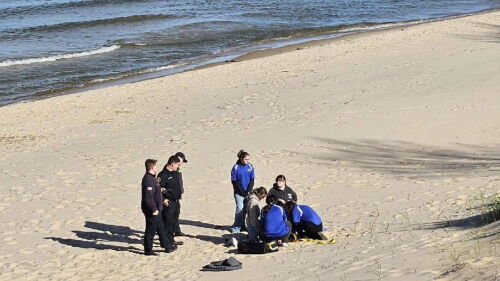
Careerline Tech Center seniors practiced CPR, patient transport and other emergency scenarios at Kirk Park
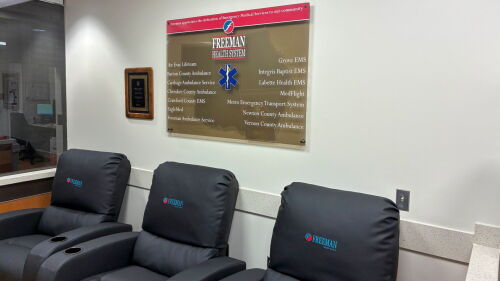
Freeman Health System’s new EMS Appreciation Lounge gives paramedics, EMTs and air medical crews a place to rest and refuel
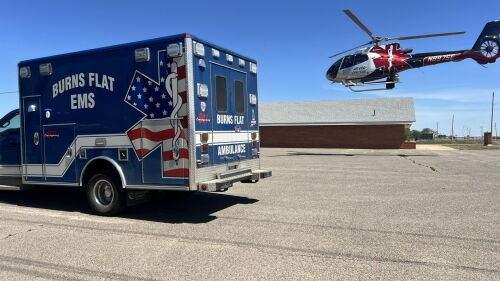
Burns Flat EMS personnel say the state’s non-essential classification hurts rural EMS staffing
June 01, 2026 11:56 AM
·
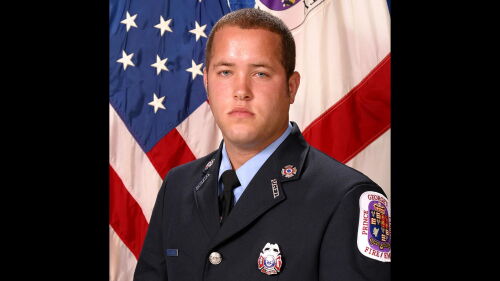
Firefighter/Paramedic Demair Lloyd, of the Prince George’s County Fire/EMS Department since 2006, suffered a medical emergency at home
June 01, 2026 09:50 AM
·
© 2026 The Gazette (Cedar Rapids, Iowa).
Visit thegazette.com.
Distributed by Tribune Content Agency, LLC.
PSTrax partners with Fleetio to streamline fleet and equipment management