
For many teenagers, going to sleep at night is when worries take center stage, causing restlessness and difficulty staying asleep. While occasional stress is a normal part of growing up, persistent middle-of-the-night anxiety and sleep disruption can be a sign of stress-induced insomnia.
Cheryl L. Green, MD, a child and adolescent psychiatrist, emphasizes the importance of parents recognizing signs of stress‑induced insomnia in teens so they can better support effective, practical solutions.
The root of the restlessness
According to Green, who treats about 40 teens each week, the main stressors she encounters are related to academics.
“The pressure to perform well, manage heavy workloads, and meet expectations can feel overwhelming,” she says. “For many, these worries intensify at bedtime.”
Emotional stress also plays a major role, particularly in romantic relationships. Breakups, especially in first relationships, can be deeply distressing and may make it difficult to fall or stay asleep.
Signs of stress-induced insomnia
Parents may not always see what’s happening overnight, but the effects often show up the next morning. Key warning signs include:
If these patterns become routine, Green warns that the long-term impact is usually poor academic and social functioning, getting worse grades, and possibly losing certain friends or having to transition to a different friends’ group at school.
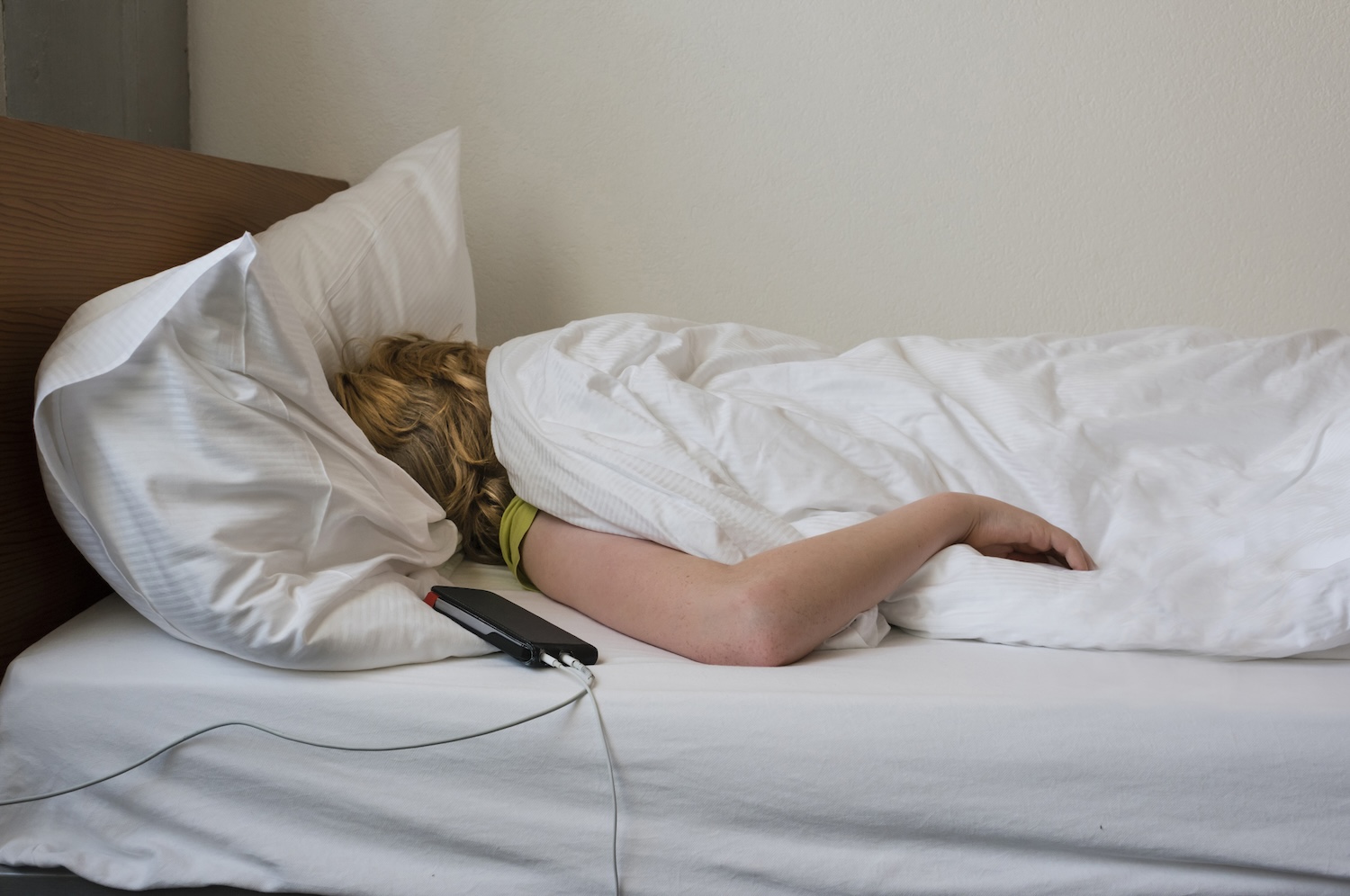
Practical ways parents can help
When insomnia persists for more than two weeks, that is an indication that the problem isn’t going to be resolved on its own. Rather than jumping to conclusions, Green says that parents can create a supportive space by asking questions and listening without judgment.
Support strategies vary depending on the source of stress; however, the following approaches provide a strong starting point.
For emotional stress, like a breakup
Start therapy
For persistent insomnia, starting therapy is a great outlet for teens to address their concerns and receive the proper tools to help them manage their stress, emotions, and social interactions.
Helping teens navigate stress and sleep challenges requires patience, communication, and, at times, outside support. If you believe your teen might benefit from therapy, schedule an assessment or call us at 909-558-9113.