
A new study published in Frontiers in Psychiatry examines patient safety incidents (PSIs) in psychiatric inpatient settings. The most common PSIs included medication-related incidents, patient falls, and behavior-related incidents such as self-harm, aggression, and suicide attempts. This study, led by Sophia Russotto from the Università del Piemonte Orientale in Italy, reports that the most common contributing factors were staff performance and communication issues, organizational shortcomings, patient characteristics, and environmental hazards. The authors write:
“To advance patient safety in psychiatric inpatient facilities, comprehensive training programs for staff, the development of tailored protocols, and modifications to the physical environment are imperative. Moreover, fostering a robust safety culture that encourages incident reporting and continuous improvement is essential.”
Patient Safety Issues in Inpatient Psychiatric Settings
Past research has found that despite the unique safety challenges posed by inpatient psychiatric settings, patient safety is under-researched in these institutions compared to non-mental health inpatient settings. A 2024 study found practitioners believed safety risks in inpatient psychiatric settings were substantially higher than the literature suggests, especially aggressive behavior, psychotropic drug-related harms, and infrastructure and environmental safety failures.
Media reports have detailed failings of US psychiatric institutions to protect the safety of their patients. A 2025 article from the San Francisco Chronicle reported that for profit psychiatric hospitals in California had been cited over 100 times due to physical and sexual assaults of patients, improper restraints and seclusions, and 17 possibly preventable deaths. A 2026 report in the Washington Post tells of a psychiatric hospital in Washington D.C. accused of safety violations including patient assaults, medication mismanagement, understaffing, and lack of repairs.
The Atlanta Journal-Constitution reported in 2022 that psychiatric hospitals in Georgia often received a “gold seal of approval” from the Joint Commission despite numerous patient safety violations. According to this report, regulators rarely imposed sanctions even in cases of abuse and “shocking systemic problems,” instead relying on these institutions to self-correct.
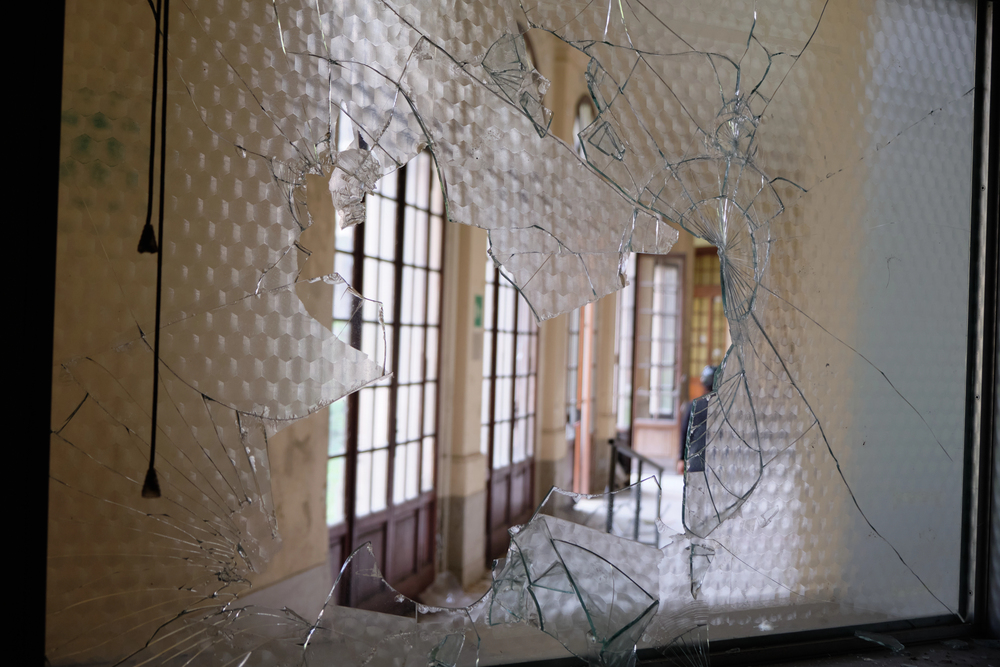
There are similar reports internationally of environmental issues such as broken doors and cracked glass, not staying up do date with mandatory training, and patient deaths resulting from safety violations. In a 2022 report, the Quality Care Commission in the UK placed much of the blame for patient safety issues in inpatient psychiatric settings on staffing shortages.
The current work, as well as past research, has cited patient behavioral issues and aggression as a key safety issue in inpatient psychiatric settings. A 2026 study from Australia found that patient aggression in inpatient settings was often the result of an overwhelming environment.
Study Details
The goal of the current study was to develop a comprehensive understanding of PSIs in adult psychiatric inpatient settings. The authors wanted to identify the most common PSIs, contributing factors in patient safety incidents, preventative strategies used to reduce patient safety risks, and the consequences of safety failures for patients, staff, and institutions.
The researchers conducted a systematic review of existing literature on PSIs in inpatient psychiatric settings. Included studies had to be original research examining adult psychiatric inpatient settings in terms of patient safety. Only studies published in English, Spanish, or Italian were included in the current work. The authors used the World Health Organization’s International Classification for Patient Safety framework to classify PSIs, contributing factors, and prevention strategies. In total, the researchers examined data from 92 studies with the majority coming from the US (29), UK (14), Sweden (6), and Australia (5).
The most commonly described PSIs fell into three categories: behavior-related incidents, medication-related incidents, and patient accidents. Behavior-related incidents were the most common and included self-harm and suicide (28 studies), physical assault by a patient (13), and patient’s non-compliant, uncooperative, and obstructive behaviors (8). Medication-related incidents were the second most commonly described (19) and included mistakes around medication and IV fluid incidents. Patient accidents were the third most commonly discussed PSI (15) and mainly involved patient falls. These figures reflect how often incidents were discussed in the literature rather than direct measures of incidence.
The authors identified several contributing factors for self-harm, suicide, and physical assault by a patient. Problems with the physical environment, such as the presence of hanging anchoring points and objects that could be used as a weapon, and issues with organizational procedures, such as the absence of specific protocols and suicide risk evaluation, were the most described contributing factors. Insufficient staff, lack of communication on the part of staff, and inadequate training were also listed as contributing factors, along with patient characteristics such as younger age, paranoid behavior, and hallucinations. Evidence for contributing factors for non-compliant behaviors was limited, and mainly involved patient characteristics such as long inpatient stays, history of seclusions, and substance abuse.
Risk mitigation strategies for behavior-related incidents included increased staff training, hiring more staff, and the development of specific organizational protocols to reduce self-harm, suicide, and aggressive behavior.
Contributing factors for medication-related PSIs were mostly identified as staff and organizational issues. Lack of adequate policies and procedures around medication administration was a main contributing factor to drug omissions, incorrect dosage, and adverse drug reactions. Staff issues such as communication problems and lack of attention while administering medication was also listed as a contributing factor for medication-related PSIs and adverse drug reactions. Risk reduction strategies included the institution giving staff access to medication monitoring and dispensing equipment, and making adequate organizational checklists and protocols around medication administration.
The physical environment was the most discussed contributing factor for patient falls, including the inability of staff to continuously monitor patients. Poor communication between staff about fall risk as well as patient characteristics, such as unsteady gait, fall history, and agitation were also discussed as contributing to patient falls. Risk reduction strategies included the institution providing more safety equipment, improvement of safety culture, staff training, and reorganizing the environment.
Only 13 studies reported incident rates for PSIs. Verbal aggression was the most common at 8.4 events per 1,000 patient-days, followed by physical aggression (7.3), falls (6.8), medication-related incidents (4.0), and self-harm and suicide incidents (0.8). The authors note that incident rates for PSIs are uncertain due to few studies reporting standardized quantitative data on these events.
Consequences of PSIs for patients included physical injury, psychological distress, increased morbidity, trauma, and risk of death, particularly for self-harm and suicide incidents. Staff experienced emotional distress, burnout, fear, and trauma after serious incidents. Consequences for institutions included increased resource use, legal repercussions, and damaged reputation.
This study had five main limitations. Most of the included studies were qualitative. The lack of quantitative data made it difficult to estimate PSI rates and compare risk reduction strategies. Most of the studies came from high-income countries, limiting generalizability. Most of the included studies focused on hospital-based psychiatric units, with very few examining long-term facilities. Included studies used different designs, terms, outcome measures, and reporting standards, limiting comparisons between included research. Though many studies discussed risk prevention strategies, few rigorously evaluated whether these strategies actually reduced PSIs. The authors conclude:
“This review highlights significant gaps in evidence-based interventions tailored to psychiatric care, as well as a lack of research from long-term care settings and low- and middle-income countries. To enhance patient safety in psychiatry, future efforts should prioritize the development and implementation of targeted strategies, multidisciplinary collaboration, integration with general patient safety initiatives, and robust quantitative evaluation. Strengthening safety culture across psychiatric facilities is essential to reduce harm and improve care quality for this high-risk population.”
****
Russotto, S., Conti, A., Masini, A., Tempia Valenta, S., Vanhaecht, K., Mira, J. J., & Panella, M. (2026). Patient safety incidents in the psychiatric inpatient setting: Determinants, consequences, and strategies. A systematic review. Frontiers in Psychiatry, 16. (Link)