Father’s Day is a special occasion devoted to celebrating dads and father figures for the love, guidance, and support they provide. However, beyond the celebrations and gifts lies an important conversation that is gaining more attention: the mental health of fathers. While fathers are often portrayed as strong pillars of their families, they too face emotional challenges that are frequently overlooked or stigmatized. This Father’s Day serves as an opportunity not only to honor men but also to amplify awareness of their mental wellness needs.
In many cultures, traditional ideas about masculinity emphasize toughness and self-reliance, discouraging men from openly discussing their feelings or seeking help. This can make it difficult for fathers to prioritize their own well-being, even when they are experiencing symptoms of depression, anxiety, or stress. Experts emphasize that maintaining mental health is crucial, as a father’s emotional state can significantly impact family dynamics, child development, and overall quality of life.
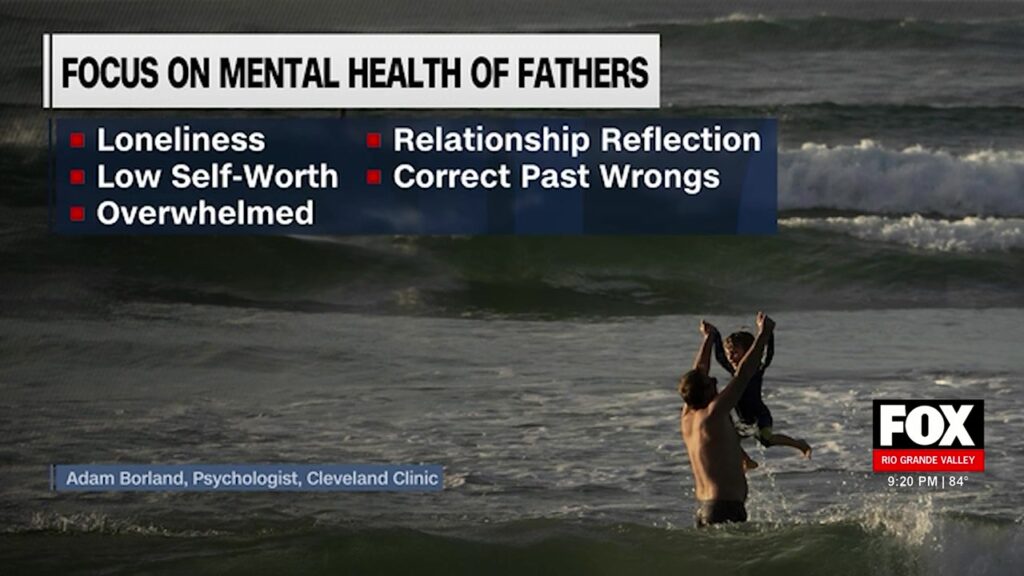
Dr. Adam Borland, a clinical psychologist with Cleveland Clinic, notes an encouraging trend of more men, including young and new fathers, reaching out for mental health support. Though many men are still hesitant due to societal pressures, Borland has seen an increase in fathers talking about feelings of isolation, diminished self-worth, and overwhelmed emotions stemming from juggling multiple roles. Fathers often reflect on their own relationships with their dads, leading to pressure to ‘do better’ or correct past generational wounds, which can contribute to intense internal stress.
Understanding the Mental Health Challenges Fathers Face
Fathers contend with a complex combination of responsibilities encompassing provider, caregiver, mentor, and partner roles. Balancing work demands, family obligations, and personal goals can feel daunting. Emotional exhaustion is common, yet many fathers internalize the expectation that they must be ‘‘strong’’ and ‘‘unshakable.’’ Such pressure can discourage men from acknowledging signs of mental strain.
Common mental health challenges among fathers include anxiety, depression, feelings of loneliness, and stress. For new fathers, the transition to parenthood introduces additional challenges such as disrupted sleep, changes in relationships, and financial concerns, all of which can exacerbate emotional difficulties. Recognizing symptoms—such as irritability, social withdrawal, difficulty concentrating, and persistent sadness—is pivotal to seeking timely support.
Dr. Borland advises fathers to identify what is within their control and focus on manageable aspects of their lives. ‘‘I’m doing the best that I can’’ can be a powerful affirmation to counteract unrealistic expectations. He underscores that no father is perfect, and embracing imperfections can alleviate feelings of failure.
Encouraging Help-Seeking and Breaking Stigmas
Despite growing awareness, stigma around mental health persists, particularly for men. Cultural norms often label men who seek help as weak, which can delay diagnoses and worsen outcomes. Breaking these barriers requires open conversations, education, and modeling by community leaders and peers.
Therapeutic interventions such as cognitive-behavioral therapy, counseling, and support groups are effective in addressing mental health concerns. Fathers who engage with mental health professionals often report improvements in mood, stress management, and interpersonal relationships. Importantly, mental health is not a sign of weakness but an essential facet of overall health.
Family members, friends, and partners play a crucial role by observing changes in behavior and encouraging fathers to seek help. Creating a safe and non-judgmental space for men to express emotions can foster resilience and connection. Employers and community organizations can also contribute by offering resources tailored to men’s needs and promoting work-life balance.
Community and National Efforts to Support Fathers
Public health campaigns have begun focusing on men’s mental health, targeting fathers specifically. Programs encourage screening for depression and anxiety during and after the perinatal period, recognizing that paternal mental health affects the entire family system. Peer support networks and fathers’ groups provide avenues for sharing experiences and reducing isolation.
Workplace initiatives, including Employee Assistance Programs (EAPs), can offer confidential counseling and resources to men juggling the stresses of fatherhood and employment. Schools and pediatricians’ offices also increasingly incorporate mental health education for parents, emphasizing fathers’ roles.
As awareness spreads, it is hoped that future Father’s Days will not only celebrate fatherhood but also serve as reminders to prioritize mental well-being, dismantle stigmas, and ensure that all fathers have access to compassionate support.
Additional Resources
Fathers and families seeking information and assistance can access a variety of resources. The National Institute of Mental Health provides valuable insights on men and mental health, including signs to watch for, treatment options, and research updates. Visit https://www.nimh.nih.gov/health/topics/men-and-mental-health for more.