
Nearly 419,000 sick days were taken by TfL staff in 2025 and now the transport authority is one of the biggest employers involved in a government reviewKumail Jaffer Democracy Reporter covering the Mayor of London and the Greater London Authority
09:59, 16 Apr 2026Updated 16:22, 16 Apr 2026
Behind the rising sick days at TfL
Transport for London (TfL) is leading the way in pioneering a government drive to bring down levels of employee absence, a minister has said.
The transport body is one of the largest employers to have joined the ‘Vanguard’ group of the Keep Britain Working Review led by Sir Charlie Mayfield. This means it will trial an employer-led approach to stop staff leaving work prematurely for reasons of ill health, with their findings feeding back into an eventual series of recommendations for firms.
An estimated 2.8 million people are currently out of work across the UK due to long-term sickness. That amounts to one in five working-age adults now being out of the labour force – 800,000 more than in 2019.
Within TfL, the problem was laid bare in a 2025 internal report, which showed that the overall sickness rate was 6.3 per cent, accounting for nearly 418,885 sick days and 6.6million planned days across the organisation. Long-term sickness days were significantly higher at 286,673, compared to short‑term at 132,212, with the average duration for all sickness spells being 11.81 days.
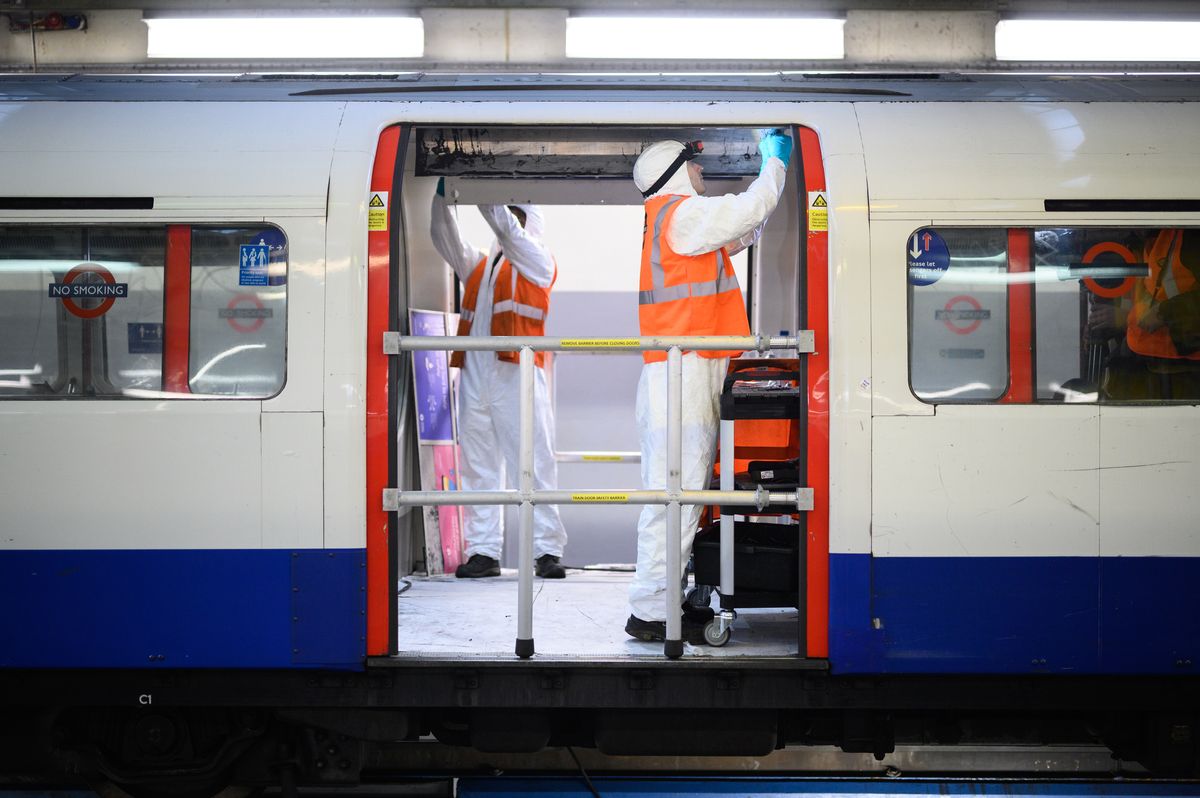
TfL’s vast network means it’s a major employer and sickness can have a knock-on effect to services(Image: Leon Neal/Getty Images)
But the organisation says it is already taking significant action, offering physiotherapy, addiction services and trauma-focused counselling for staff to help them stay in the workforce.
Minister for Employment Dame Diana Johnson told the Local Democracy Reporting Service (LDRS): “TfL are a really big employer.
“They’ve got some great programmes already in place to help support their employees, so that’s important. But they were also telling me today they want to learn from other businesses and organisations to see what they can learn and perhaps do better.
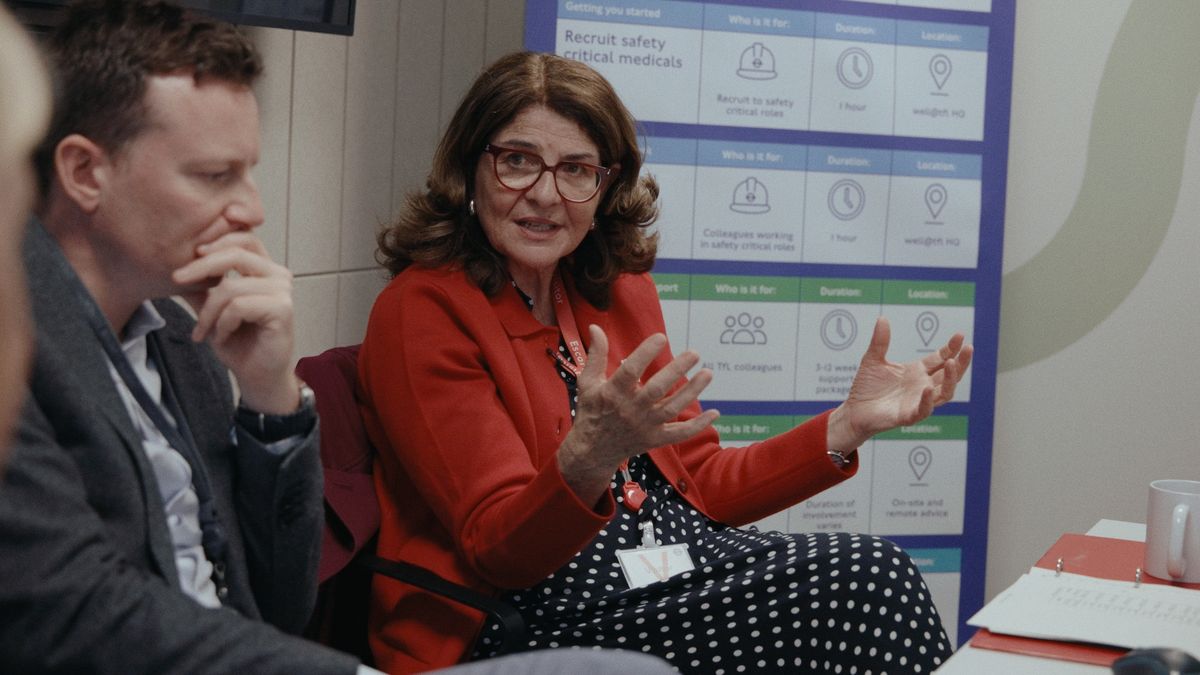
Dame Diana Johnson visited TfL’s Occupational Health HQ in London Bridge to speak to staff(Image: Widnell William/DWP)
“This [visit] was a real opportunity to thank TfL, actually, for the work they’re already doing. We’ve got this ‘sprint’ where we’re looking at prevention and how you keep people well and healthy in work – and they’ve been doing that over the course of the last few weeks so that’s been really positive they’re coming to the end of that now but it sounded a really good piece of work that’s being undertaken.”
Dr Sam Phillips, Head of Health and Wellbeing at TfL, added: “Sick days are costing the whole of the UK a lot of money, and that’s one of the reasons we’re involved in the prevention sprint, to look at ways to try and stop people from becoming ill in the first place.
“There is also another side to sickness absence, which is presenteeism. So in organisations where you have very low sickness absence you may have high presenteeism where people are actually at work when they shouldn’t be and they’re unwell.

Working conditions within TfL has long been a point of dispute, leading to strikes(Image: Shivansh Gupta/PA Wire )
“It’s quite a fine balance to be had – obviously we want to improve our absence rates but not at the cost of people feeling that they’re coming to work when they shouldn’t be.”
The main cause of long-term absence from the TfL workforce in 2025 – responsible for 30 per cent of cases – was mental health.
Across London, the number of working-age people reporting a ‘work-limiting mental health condition’ rose from 147,000 in 2014 to 236,000 in 2022. This rise was especially prevalent among 16 to 24-year-olds as the capital emerged from the Covid-19 pandemic.
Dame Diana confirmed that mental health conditions were an important part of the review, adding: “Mental health, depression, anxiety – those are definitely going to be considered as part what more employers can do to support individuals, and also what individuals can do to help themselves.
“I’ve been hearing about some of the programmes that TfL have around volunteer members of staff, helping other members of the staff who have perhaps experienced trauma in the workplace, providing support and help at the right level, and of course if people need something more professional they are referred on.
“But it seems to me that mental health and anxiety and depression are key areas that the vanguards will be looking at, absolutely.
“There’s also an issue around neurodiverse young people, or people in general, and about making sure that they get the opportunities to get into work in the first place and then are supported when they’re in work because that’s a rising number as well.”

Deputy Mayor Howard Dawber (middle) said City Hall and TfL were working together to keep Londoners off the long-term sick list(Image: Wandsworth Council)
Deputy Mayor for Business and Growth, Howard Dawber, told the LDRS: “City Hall and TfL are working closely with the Keep Britain Working team to help ensure that Londoners are supported to stay in work.
“This is part of a wider London programme, working closely with the NHS, employers, the skills sector and other partners to help ensure more Londoners are able to find and stay in good quality jobs.”
Sign up for our London Underground newsletter for the latest travel updates to make your commute easier, plus a weekly fix of Tube trivia! Sign up HERE.