
If you’re worrying about your mental health in 2026, where do you turn for support? It might be your GP, a friend, or a therapist if you have one. But for many of us, the first port of call is the internet. Research suggests that searches related to anxiety and depression are made every three to five seconds, while a recent study by online therapy platform BetterHelp found that one in five people have self-diagnosed after watching mental health content on social media. Of those, just 29% spoke to a GP or doctor about their concerns, and only 19% sought therapy or further support.
The problem is that as the online landscape becomes more crowded, the accuracy of mental health content is declining. In fact, the British Association for Counselling and Psychiatry reports that over 83% of mental health content on TikTok is misleading, whilst 14% could even be considered harmful. Add in the growing trend of using AI tools like ChatGPT in place of therapists, and it’s clear just how noisy the online mental health space has become.
As someone who has fallen down the #therapytok rabbit hole and has even turned to ChatGPT after an IRL therapy session to help process what came up, I can attest to how simultaneously soothing and confusing online advice can feel. I also know just how difficult it is to differentiate the real experts from the pseudoscientists.
Article continues below
You may like
That’s why we’ve enlisted two trusted therapists to cut through the noise and share the mental health habits they genuinely rely on to look after their own minds. Because, let’s face it, who doesn’t want a peek inside a therapist’s personal toolkit?
Ahead, your no-fads guide to supporting your mental health. Whilst you’re here, it’s worth looking through these eight research-backed mental health tips, as well as our guide to accessing online therapy. We’ve also got techniques to help you cope with anxiety, breathwork guidance and a host of somatic therapy practices to help you move through a state of hypervigilance.
7 Mental Health Habits Therapists Actually Prioritise – Plus, 3 They Avoid1. A consistent, restful sleep routine
“I think of my brain + body as the hardware, and my mental health as the software. When I take good care of the hardware, everything else runs better,” says associate therapist Lyla Connolly.
That’s why sleep, for her, is one of the first things to prioritise. “Sleep helps to regulate emotions, manage stress, detoxify the brain and support clearer thinking and creativity,” she explains. “I aim for eight hours a night, which I support by winding down with a book, away from any blue light.”
Psychotherapist Lauren Young agrees. “Extra sleep is one of the most underrated ways to give your nervous system a chance to recharge,” she says. “If you’re running on empty, an early night will do more for you than almost anything else.”
2. Eating for balance, nourishment and safety
For Connolly, supporting her body with a healthy, balanced diet is paramount, but that doesn’t mean following any extreme or restrictive routines.
“I eat to keep my body feeling safe and steady, which means focusing on balanced meals including protein, healthy fats, and complex carbs,” she says. “Healthy fats and protein help to stabilise blood sugar, which prevents any unnecessary spikes in cortisol. Complex carbohydrates provide the fibre needed to support the gut microbiome, which plays a direct role in mood and emotional regulation.”
What to read next
Young is on board too, adding that she chooses something warm and comforting over the ‘healthiest’ option when her body and mind need a little TLC. “There’s a reason we crave soup, toast, or a bowl of pasta when we’re exhausted – warm, comforting food signals safety to your body and helps ease the physiological stress response. “
She’s clear that this isn’t about abandoning nutrition. “It’s about recognising that sometimes what your nervous system needs most is to feel soothed.”
Connolly is clear: social connection is key to her mental well-being, but that’s not about the quantity of her friendships. It’s far more about the quality. “I used to judge myself for not having a large group of friends, but over time I’ve accepted that as a sensitive, introverted person, this is what actually supports my mental health,” she says.
Instead, she has a small circle of deeply nourishing friendships. “These are people who energise me, who I can go deep and be silly with, and who can navigate the harder edges of friendship with care,” she explains.
When it comes to identifying these qualities in your own friendships, Connolly has some tips. “Pay attention to how your body feels around certain people. Do you feel open, warm, and more like yourself? Or do you feel on edge, contracted, and depleted? Your body has the answer, and you’re allowed to listen to it.”
4. Watching comfort shows on repeat
“Decision fatigue is real, and choosing what to watch when you’re already depleted just adds to it,” says Young.
Her advice? Rewatch the thing you’ve seen a hundred times if you still love it just as much. “Familiar shows reduce mental load because your brain already knows what’s coming,” she explains. “There’s no suspense, no processing, just rest. It’s not lazy, it can be genuinely restorative.”
5. Mindful caffeine and alcohol intake
“It might sound boring, but it’s low-hanging fruit,” says Connolly, who (like me) says she goes to bed dreaming about her morning cup of coffee. “I keep it to one a day, in the morning,” she says. That’s because “caffeine is a stimulant and can push your system into ‘fight or flight’ mode, which exacerbates anxiety.”
She also chooses to limit her alcohol intake to a few drinks a year. “Alcohol interferes with GABA, a neurotransmitter that helps regulate anxiety, stress, and sleep. Whilst it can create a temporary sense of calm, as the alcohol wears off, the body will try to rebalance. This leads to a drop in GABA and a spike in anxiety, which is why you might experience ‘hangxiety’.”
In times of stress, Young likes to take a Sharpie to at least one item on her to-do list. “Chronic stress is partly sustained by the relentless pressure of demands building,” she explains. “By completely removing just one thing (that doesn’t put it off or reorganising it), you can send your nervous system the message that not everything is urgent. Use it as an opportunity to just live.”
Just as important as social connection is time to be with yourself, especially if you’re an introvert or spend your day giving your energy to other people.
As a therapist, it’s something Young experiences a lot. “You don’t need a reason beyond ‘I need to top up,” she reminds us. “I schedule intentional alone time into my diary as though it’s another appointment that I would give the same importance to.”
How you choose to spend your alone time is up to you, but Young likes to keep things low-pressure. “I turn my phone off, set the lights low and have no agenda. It’s a powerful way to restore my emotional energy and attention.”
When it comes to the habits they avoid, both therapists are equally clear.
1. Trying to be calm all the time
Nervous system regulation might be the biggest buzzword in online wellness right now. But Connolly has some concerns about the way it’s being interpreted. “The content in this space often implies that the goal is to be calm all the time, but that’s actually not possible, nor the aim,” she says.
Instead, what we’re actually looking for is an adaptable, flexible nervous system. “A healthy nervous system is one which can move through different states without getting stuck in any one of them,” says Connolly. “It can rise into fight-or-flight and then shift back into a more grounded, steady state.”
Building that adaptability means being able to feel the full spectrum of our emotions, Connolly explains. “It’s not as simple as just taking an ashwagandha supplement or jumping in a cold plunge,” she reminds us. “Riding the waves of emotion, and being able to meet yourself in moments of intensity, anger, pain, grief, excitement, before finding your way back to your baseline, is the goal.”
Young agrees. “Somatic work is legitimate and incredibly useful, but the cold showers, humming, and shaking it off which you see online are stripped of clinical nuance and context. Trauma-informed nervous system work requires a skilled practitioner, and often the DIY version can dysregulate people further, particularly where there’s complex trauma.”
To help her regulate her nervous system, Connolly uses a trauma reprocessing therapy known as EMDR. “What’s so powerful about EMDR is that it creates trait-level change,” she says. “When experiences overwhelm our nervous system, they get stuck in our memory networks, held in the same emotional, sensory, and cognitive state as when they occurred. That’s why our present-day reactions are often old information playing out in real time. EMDR helps the brain and body finish what they couldn’t back then. As those networks reprocess, we don’t just feel better temporarily, we shift at the level of identity and embodiment.”
2. Needing to reparent yourself before you can be in a relationship
“This sounds sensible, but it actually contradicts a lot of what we know about how healing happens,” says Young. “Attachment styles very often heal through safe relationships, and the idea that you have to reach some level of ‘healed’ before you’re allowed connection isn’t evidence-based. Unfortunately, it can actually do the opposite, keeping people isolated and stuck, waiting to be ready for a life they could be living now.”
She adds that the therapeutic relationship (i.e. the one between client and therapist) can actually be an important part of relearning those safe relationships, which is why working with a trained practitioner can help you in forming positive relationships in your wider life.
Connolly also isn’t a fan of rigid or complicated wellness routines, though she says she, too, fell for them once. “There was a time when I treated wellness as something I had to do perfectly, but looking back, I can see that rigidity was just another protective pattern to avoid my emotional world.”
She goes on to explain that when control and perfectionism take over your wellness routines, it’s actually a form of disconnection from ourselves. “Flexibility has helped me far more than any strict routine. I meet myself where I am. I let myself cry. I let my routines evolve as my life evolves. And I let myself be supported by others rather than trying to hold everything alone.”
Shop MC-UK approved self-care products now:
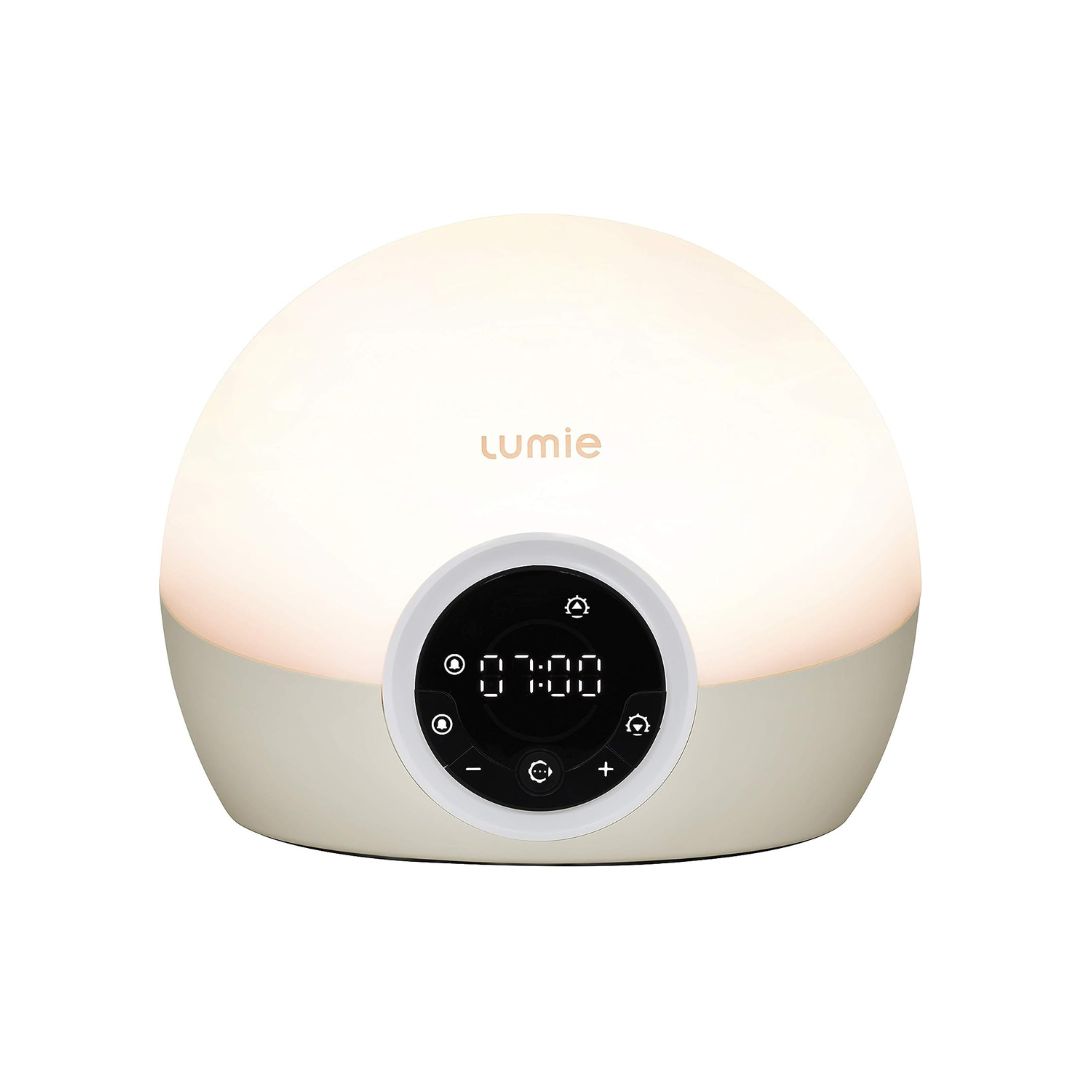
If you’re going to take your shut-eye seriously, then a Lumie alarm clock is a great investment. Meaning that you can leave your phone outside your room, it puts a barrier between you and that circadian rhythm-disrupting blue light, and helps you to wake up slowly and naturally, even when it’s an early start.

So Good: Food you want to eat, designed by a nutritionist
If you’re keen to up your intake of nutritious – but delicious – meals, look no further than Em’s cookbook. She’s the unequivocal master of making healthy cooking both easy and fun.
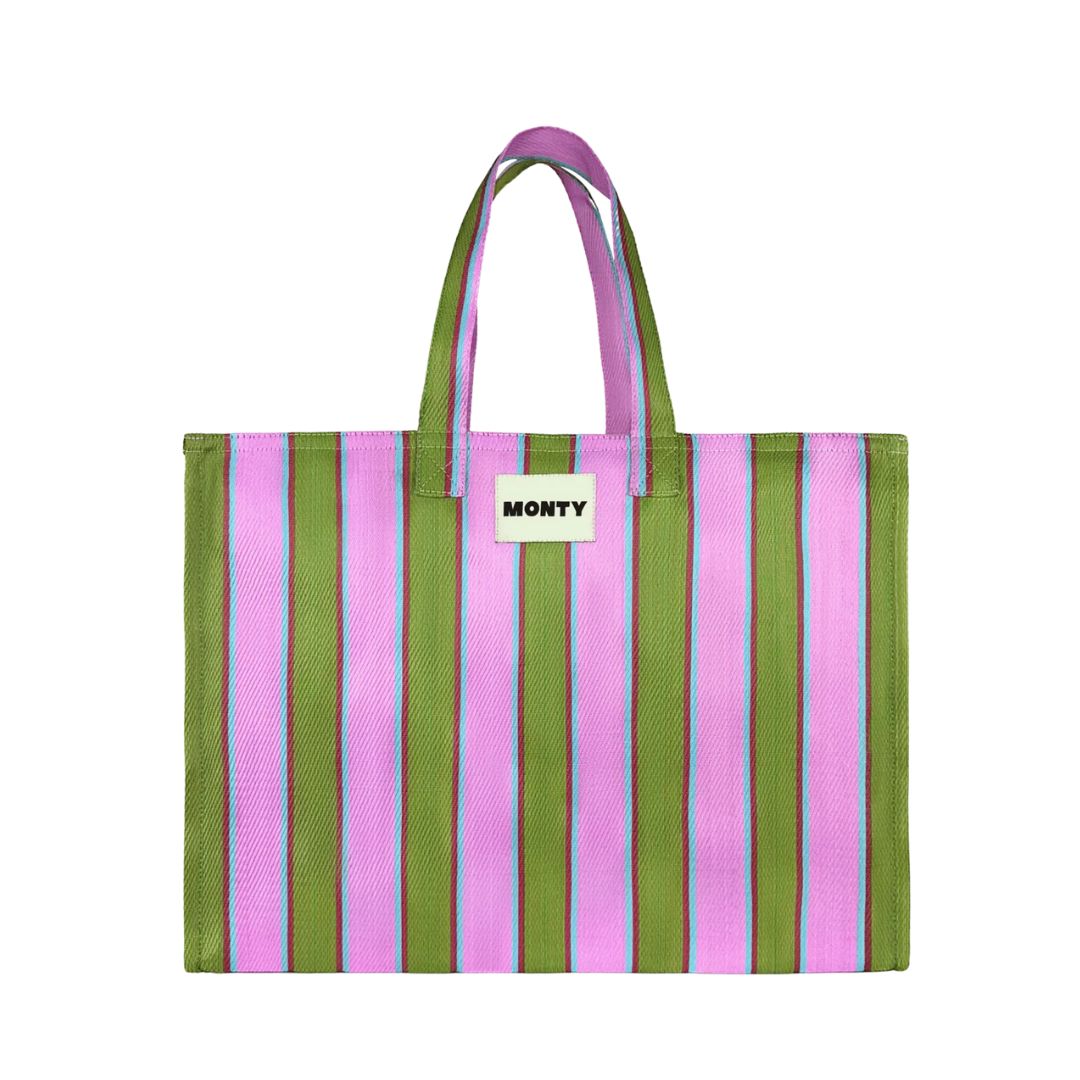
Monty bags are all the rage right now – they’re colourful, mood-boosting, and carry a serious amount of your belongings, too. Don’t sleep on these.