
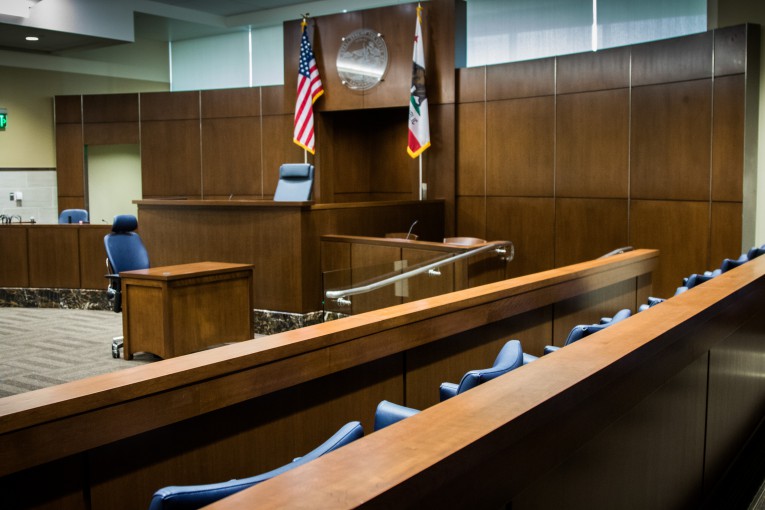
WOODLAND, Calif. — During a jury trial on April 20, the court considered whether a county jail physician could testify about the accused’s mental health diagnosis after prosecutors challenged the clinician’s qualifications and sought to limit the evidence presented to the jury.
At issue was whether Dr. Stewart, a clinician employed at the Yolo County Jail, would be permitted to testify regarding the accused’s mental health condition and diagnoses of schizophrenia and bipolar disorder. The defense argued that the testimony was essential to addressing the accused’s state of mind during his arrests and previously charged offenses.
Deputy Defense Attorney Sarah MacDonald emphasized that the accused had been receiving treatment while in custody and that the county-appointed doctor was one of the only available sources of medical treatment and insight into his condition. The defense argued throughout the case that the accused’s mental health crisis was “interwoven within the entire case” and could not be ignored without infringing on the integrity and fairness of the trial, as well as the rights of the accused.
Deputy District Attorney Stefanie Decillis objected to Dr. Stewart testifying, questioning his professional credibility in conducting mental health diagnoses on patients and arguing that his testimony conclusions would be inadmissible hearsay.
The defense argued what more credibility would be needed for a county-appointed physician. They argued that the DDA was undermining the process by which a doctor makes a diagnosis, which includes extensive evaluation and examination.
The DDA further argued that allowing the doctor to testify would be “prejudicial” toward the people’s argument and insisted that no witness should be allowed to present a mental health diagnosis without the proper credibility.
Judge Paul K. Richardson expressed concern about the limited information available regarding Dr. Stewart’s qualifications and indicated that a hearing would likely be required.
The defense argued that preventing the doctor from testifying would block the accused from presenting meaningful evidence of his mental condition. This would also undermine the accused’s rights and the integrity of the trial.
They also contested the DDA’s objection by further articulating that Dr. Stewart is a credible source and can provide additional paperwork corroborating his occupation.
The court ultimately limited the scope of mental health evidence that could be presented by the doctor. The accused’s mother was also a secondary witness who would testify.
The court permitted her to describe behavior during the initial incident that led to the arrest of the accused. However, she was prohibited from using “descriptors” and going into detail about her child’s mental health history because it would be considered “hearsay.”
As the case moves forward, the admission of the county doctor’s testimony remains uncertain in further proceedings. The matter is set for further jury trial on Tuesday, April 21, 2026.
Follow the Vanguard on Social Media – X, Instagram and Facebook. Subscribe the Vanguard News letters. To make a tax-deductible donation, please visit davisvanguard.org/donate or give directly through ActBlue. Your support will ensure that the vital work of the Vanguard continues.
Categories: Breaking News Court Watch Northern California Court Watch Vanguard Court Watch Yolo County Tags: Court Watch Criminal Justice jury trial mental health defense Woodland News Yolo County Superior Court