
Young adults ages 18 to 25 experience higher rates of mental illness than any other age group, according to the National Institute of Mental Health.
“I look at college-age individuals, and I think about the high suicide rate [for young adults],” said Julie Shasteen, registered nurse and nurse educator in mental healthcare at the UVM Medical Center. “Don’t be alone and don’t be embarrassed about coming and getting help, it happens to the best of us.”
Shasteen, who began her career working as a registered nurse in UVMMC’s inpatient psychiatric units, has seen firsthand how Vermont’s legal system and local mental health resources have shaped the Burlington community’s mental healthcare.
In Vermont, emergency involuntary commitment to a mental healthcare facility is a long process with multiple contributing factors meant to protect patients. Court orders for involuntary mental health medication administration also involve a lengthy legal process, she said.
“When somebody gets committed to our facility, it’s for a darn good reason,” Shasteen said.
In addition to having multiple legal structures in place to protect inpatient mental healthcare, Vermont — specifically Chittenden County — has a variety of outpatient mental health crisis supports, she said.
The Howard Center operates a variety of resources to address mental health concerns at any level. It also connects individuals with further mental health resources based on necessity and level of urgency, Shasteen said.
One available resource is First Call, which operates as an emergency call-in program, similar to 911. When someone is experiencing a mental health crisis, they can call for assistance in making decisions about their immediate safety and next steps, she said.
Mental Health Urgent Care, another sector of the Howard Center, is a relatively new addition to the community’s emergent mental health resource pool, said Tim Durney, Program Director at Mental Health Urgent Care.
The program opened in Oct. 2024 as a collaboration between Pathways Vermont, Community Health Centers and the Howard Center. MHUC was founded with the intention of providing a trauma-informed and client-centered walk-in service for any adult experiencing a mental health crisis, he said.
MHUC, which is open from 9 a.m. to 5 p.m. on weekdays, operates like a traditional urgent care. The individual seeking care registers at the front desk, participates in a short triage process where they express their needs and what kind of care they are looking for, and is connected with a care team, Durney said.
Care teams at MHUC often consist of peer support specialists, mental health clinicians and care managers.
MHUC services emphasize the importance of peer support and provide individuals with support from people who have experienced mental health or substance use challenges themselves, Durney said.
In addition to providing direct support and care, MHUC can connect individuals with further care options and resources, often referring them to First Call or Pathways Peer-Driven Support line and communicating directly with UVMMC emergency department or other facilities, he said.
If further care or resources are not what someone is looking for at that moment, MHUC can also provide resources to promote safety at home, such as gun locks, lock boxes and other harm reduction supplies, he said.
“We like to think of it as ‘no wrong door,’” Durney said. “Come here, and we’ll help you get connected to the right thing.”
While MHUC is local to Burlington, the organization also serves the greater Chittenden County community. Many individuals from other areas of Vermont have found MHUC to be a valuable resource because it was designed as a less intimidating alternative to the traditional emergency department during a mental health crisis, he said.
MHUC can also provide a less-stigmatized mental health crisis resource due to its location.
The facility, located at 1 S Prospect St, is housed in a larger UVMMC building containing a variety of other medical offices. Therefore, individuals seeking help at MHUC can walk into the building without anyone knowing which office they are attending, if visibility is a concern for them, he said.
The location of MHUC makes it a popular resource for college students living in Burlington. While MHUC primarily serves adults over the age of 18, exceptions can be made for college students who may be younger than 18 and are seeking mental healthcare, mental health prescription refills or assistance and crisis support while away from home, he said.
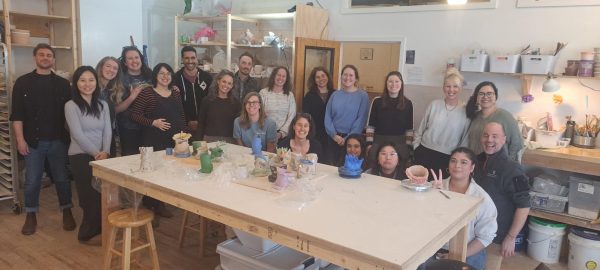 The Counseling and Psychiatry Services team has many dedicated members who provide a variety of resources. (Courtesy of Stephanie Cryer)
UVM students also have access to a variety of resources through UVM’s Counseling and Psychiatry Services.
CAPS offers mental health and case management services to all UVM students who request them, says Stephanie Cryer, Co-Associate Director of CAPS.
When classes are in session, students are able to reach out to CAPS via their phone or the MyWellbeing website to make appointments for counseling. Some appointments, such as counseling consultations, can be made same-day, she said.
Counseling consultation appointments can help students determine what services they are in need of, whether that be regular counseling or referral to other resources, Cryer said.
Another service provided through CAPS is “Let’s Talk,” which are drop-in student support sessions instead of traditional formal, recurring counseling appointments. These sessions are especially popular during transitional periods, such as at the beginning or end of semesters.
“Let’s Talk” is available both through CAPS and UVM’s various identity centers, such as Mosaic and WAGE, she said.
CAPS is open Mon. through Fri. weekly, however, there is an after-hours phone service for support outside of regular office hours. Students can utilize “Talk Campus,” an on-call counselor support service provided through CAPS’ main phone line, she said.
In addition to providing their own services, CAPS can also refer students to additional community resources to supplement their mental healthcare, Cryer said.
“It’s amazing how many resources are so close to us”, she said.
CAPS works closely with MHUC and UVMMC ED to help ensure comprehensive care for students. CAPS works closely with the new Suicide Care Clinic, Cryer said.
Created in collaboration with UVMMC and Larner College of Medicine, the Suicide Care Clinic is a Cognitive Behavioral Therapy resource that specifically addresses the symptom of suicidality.
This program uses an 8-12 session CBT model to address suicidal ideation or even suicide attempts, she said.
If a UVM student is concerned about themself or a fellow student, they are also able to submit a Care Report. Care Reports are responded to by UVM’s Care Team, who reach out to students to determine if they would like to be connected with further resources. Care Reports can be made online, she said.
“There are a lot of people here who care about them [students],” she said. “And really want to make sure they’re connected to the support that they need.”
Shasteen encourages any young adult who is struggling with their mental health or considering suicide to seek help and not feel like they need to keep their struggles to themselves.
“If you need help, that’s what we’re here for,” she said. “I can’t even stress it enough to make the first call … there’s somebody here for you.”