
Published
May 4, 2026
After years as a Clinical Nurse, Lorean Thelwell has learned that everyone has what she calls a “looking after ourselves” account. She and her colleagues in nursing make plenty of emotional withdrawals as they care for others, but Thelwell has discerned an important discovery.
“You have to make deposits at some point,” she said.
Thelwell has an “automatic deposit” scheduled every Sunday when she practices hot yoga. Each time she steps on her mat, she focuses on her breath and movements – and shuts out the rest of the world.
“Once you get out of a yoga session, the calmness kind of remains with you – that whole shutting things off takes over,” said Thelwell, who works in the Duke Children’s Evaluation Center. “And then, as you know, life catches back up with you, and we start the chaos of life all over.”
Got a Mental Health Tip?
Have a routine or strategy that helps you stay balanced? Share it in May and help others discover new ways to care for their well-being.
Yoga is one small way Thelwell prioritizes her mental well-being, and she encourages her co-workers to make their own regular “looking after ourselves” account deposits. That kind of open discussion about mental health in the workplace isn’t always common, though.
A 2025 National Alliance on Mental Illness workplace health poll found that 2 in 5 respondents worry they will be judged if they share information about their mental health at work.
“Most people don’t have a problem talking about their back pain or their health routine at work,” said Caryn Christiano, a Senior Counselor with Duke Personal Assistance Service (PAS). “We all experience grief or anxiety at various points. Needing support isn’t weakness – it’s just part of being human.”
At Duke, PAS offers eight short-term counseling sessions per concern to staff, faculty and immediate family members at no charge. In fiscal year 2025, 2,127 people connected with PAS, with 20% seeking help for anxiety and depression, 20% for stress and 18% for career or work issues. According to PAS, 81% said the service was helpful in addressing their concern.
Prioritizing mental health and well-being can come in many forms. In recognition of Mental Health Awareness Month in May, here is how some Duke staff and faculty are caring for their mental well-being.
End Your Day on a High Note
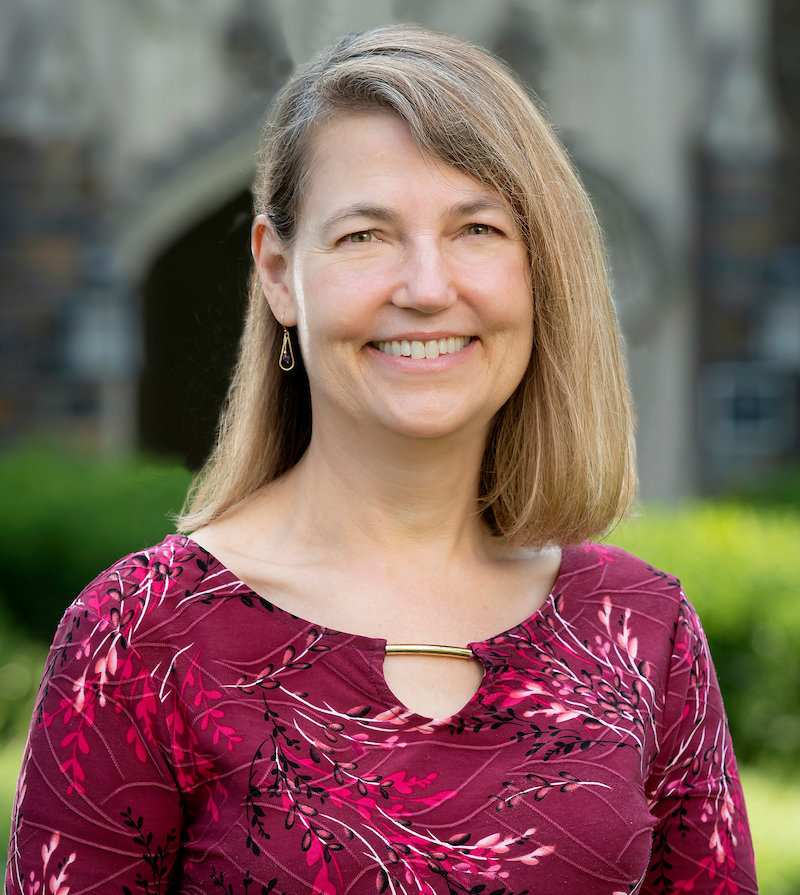 Rae Jean Proeschold-Bell
Rae Jean Proeschold-Bell, Director of the Duke Center for Health Policy & Inequalities Research, is a psychologist who studies occupational well-being, including ways to increase positive mental health.
It should come as no surprise that she’s incorporated one practice she’s seen be most useful into her own life: End Your Day on a High Note.
At the end of each day, especially challenging ones, Proeschold-Bell focuses on something meaningful to her. That might be checking in on a favorite project by calling someone for an update as she heads out the door. Or it could be sharing good news with a colleague or an interesting research finding with someone who will care about it.
“It colors my whole day brighter, even if it was pretty hard,” she said.
Care for Each Other
As a Clinical Nurse for Duke Life Flight Operations, Christina Shelton knows that some experiences are best understood by those who have lived them. In moments shaped by the stress of medical emergencies, talking with someone who truly understands can make a difference.
“The value of peer support is very underestimated just for having time carved out for yourself to process whatever it is that you need to work through,” Shelton said.

Shelton volunteers for Duke University Health System’s Caring for Each Other program, which offers peer support through trained volunteers in both individual and group settings.
Caring for Each Other volunteers are trained in active listening, validating and normalizing emotions, prioritizing personal well-being and providing information on Duke University Health System resources that may be helpful for their peers.
Eric Hexdall is the Caring for Each Other Program Manager at Duke Regional Hospital but began as a peer support volunteer in 2021 when he was a Clinical Nurse Educator. His experience as an Intensive Care Unit nurse taught him that it’s necessary to process the strong emotions that come with caring for critically ill patients, and he often reminds team members who seek his help that it’s OK to cry.
“We’re humans and this stuff is emotionally impactful to us,” Hexdall said. “My approach is to normalize the fact that what we do is really stressful and really hard and it’s perfectly OK to come talk about it and seek out help.”
In the past year, Caring for Each Other served 17,797 Duke Health staff members through 982 individual support sessions, 119 follow-up sessions, 364 consultations with leaders and team supervisors and 266 group support sessions.
“We have to create that environment for psychological safety so that people trust to be able to ask for that peer support,” Shelton said.
Make Time for What Counts
One of Julie Leibach’s primary well-being mantras is, “Take a walk, you won’t regret it.”
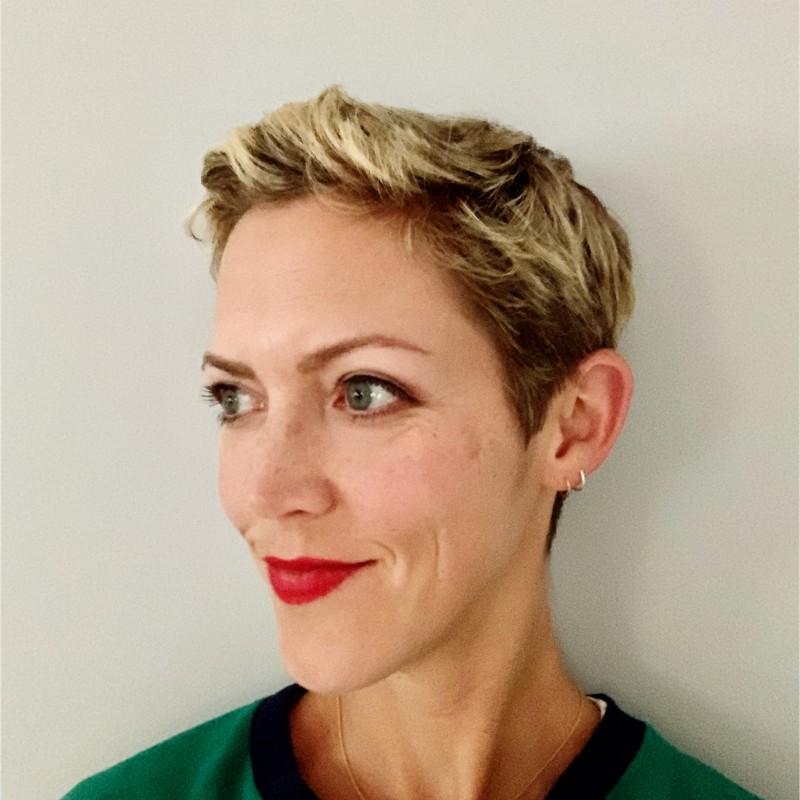 Julie Leibach
“A walk – particularly on the local greenway – always makes me feel better, no matter what’s going on,” said Leibach, a Senior Science Writer for the Nicholas School of the Environment.
Leibach also is working on a concept she discovered in a book by Oliver Burkeman, “Meditations for Mortals: Four Weeks to Embrace Your Limitations and Make Time for What Counts.”
In addition to accepting the liberating concept that she cannot “do it all” so must focus on what is most valuable, she has learned to align her habits with her values. For example, she doesn’t value scrolling through “digital morass” on her phone, but she does appreciate good sleep and good books. Yet, sometimes she sacrifices both for that attention fix.
“Interrupting this habit is hard at the end of a long day, so here’s hoping I make progress,” Leibach said.
Make Time for Your Mental Health
Bridgette Song embraces the many ways that Duke supports mental health and well-being.
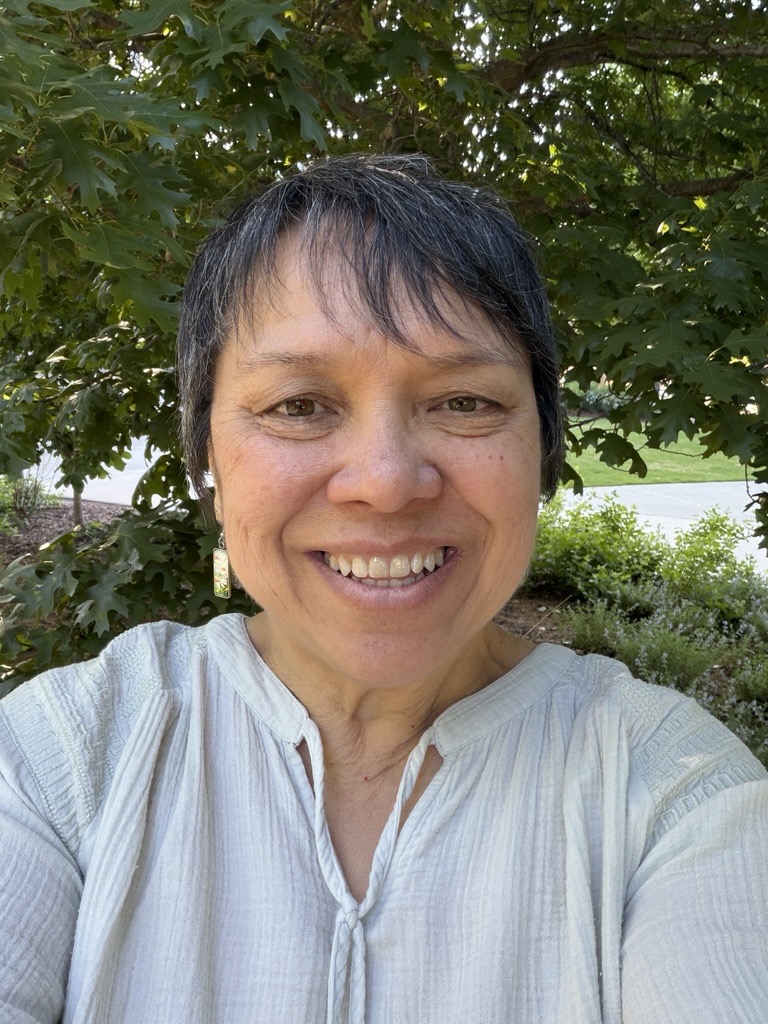
Each week, Song, a Staff Assistant for the Duke Human Vaccine Institute, joins Mindful Moment on Tuesdays and Mindful Movement on Thursdays – 15 minutes virtual resets offered through LIVE FOR LIFE, Duke’s employee wellness program.
She joins Mini Mental Makeover, a virtual monthly program led by PAS Senior EAP Counselor Laurie Kovens, whenever possible and reads through “heartwarming messages” on Microsoft Teams message boards left by members of Employee Resource Groups of which she is a member.
And she takes small moments throughout each day to prioritize herself – she photographs blooms and trees on her walk to her office, she goes to lunch with a friend when possible, and she takes breaks for a few minutes each day to just look out the window at nature.
“It is so important to take care of your mental health so you can be at your best,” Song said.
Send story ideas, shout-outs and photographs through our story idea form or write working@duke.edu.
Follow Working@Duke on X (Twitter), Facebook and Instagram and subscribe on YouTube.