
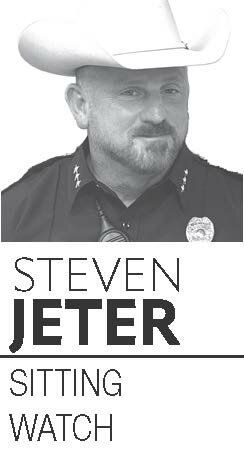
By Steven Jeter
Mental Health Awareness Week 2026 runs May 11-17, focusing on taking action to create lasting change in mental health support and reduce crisis points. While public awareness has improved, immediate action is necessary to support those severely affected by mental illness and to prevent crisis.
Now more than ever, law enforcement is encountering individuals who are in mental crisis, as law enforcement personnel across the State of Texas have increasingly become the first responders to individuals in series mental health crises. This has brought about change in a police officers training as well as called for specially trained mental health officers who are full time police officers who primarily deal with mental health issues in their jurisdictions.
In rural East Texas counties such as ours, resources to assess and treat mental health issues are limited and oftentimes hard to find. Sometimes we spend hours to days trying to get an individual help. With limited staff and limited officers, this complicates other calls we encounter while trying to assist one in mental crisis.
Whether it’s an individual who committed a crime or one who is suicidal, we have a duty to respond and to obtain help for the individual(s) in crisis. If an individual does not have insurance, it is difficult to find a facility to take the individual. It’s not uncommon to reach out to multiple facilities just to find a bed. If they have an opening, who is going to pay for the treatment?
I stress to our officers to treat mental health individuals as well as all the people we encounter, like you would want your loved ones treated. I think the biggest quality in a good police officer is the level of compassion they have while conducting their duties.
How can you help? If they are a danger to themselves and others, call law enforcement, and clearly communicate that the situation is a medical emergency, providing specific details about the individual’s condition, diagnosis, and potential for violence. While awaiting our arrival, try to create a calm, safe environment.
If it’s not an emergency, listen (without judgement), be patient, and encourage professional help. Mental health crisis is real and if they don’t want assistance, the crisis may worsen.
Call us if you need us.
Steven Jeter is Chief of Police in Trinity.