
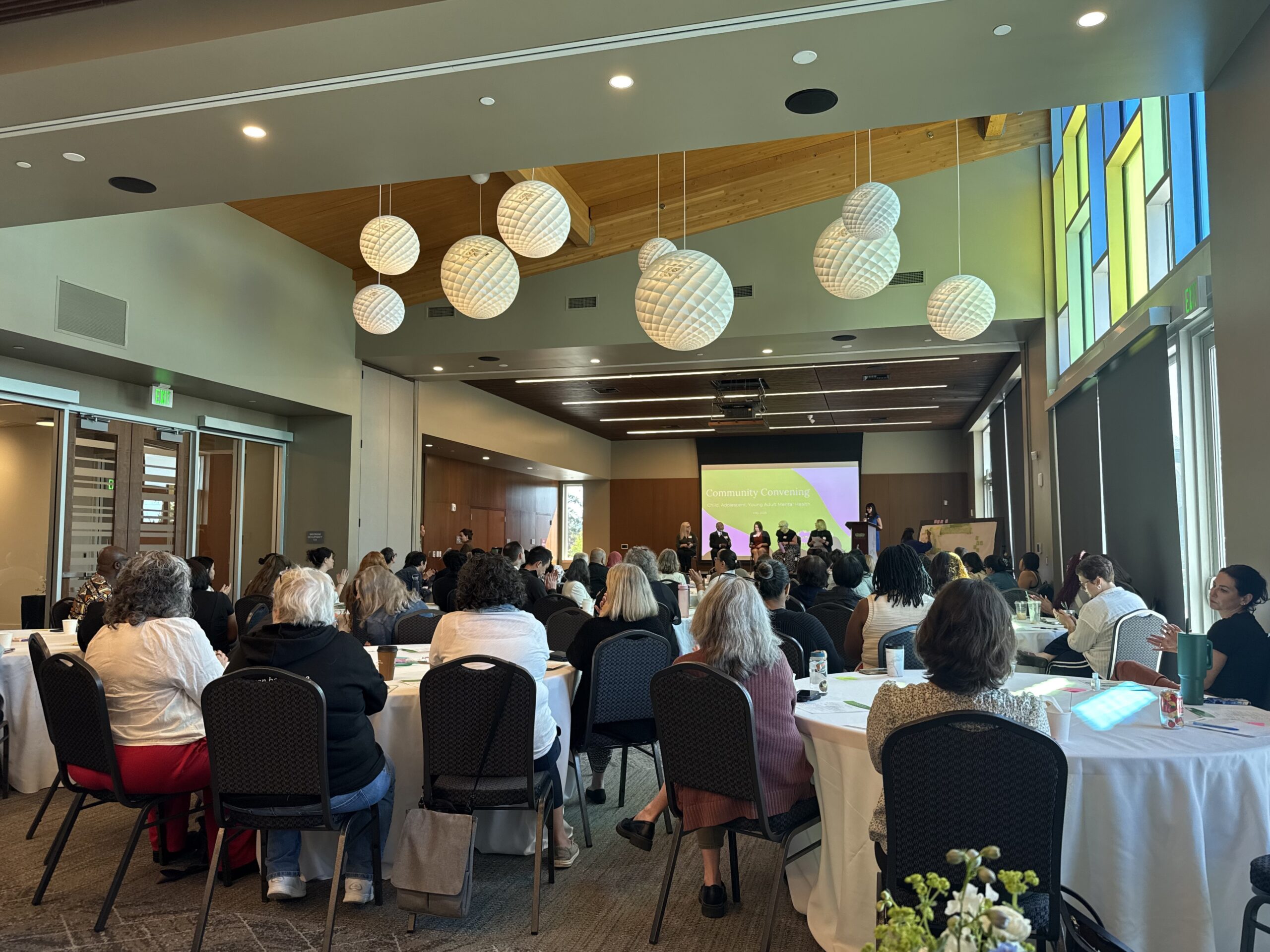
 Mental health professionals, lawmakers, educators and health workers gathered at the Lynnwood Neighborhood Center for Verdant Health Commissions Youth Mental Health Summit May 28, 2026. (Photos by Ashley Nash)
Local mental health leaders, lawmakers, medical professionals and educators gathered at the Lynnwood Neighborhood Center Thursday for the Verdant Health Commission’sYouth Mental Health Summit. Addressing the region’s growing youth mental health crisis, speakers during the six-hour event emphasized critical gaps in care, the necessity of peer support and an urgent need for a cohesive system to help families navigate complex systems and services.
State Rep. Lauren Davis, who has over 15 years of experience working in the mental health and substance abuse prevention fields, delivered the keynote address. She focused on the profound impact of childhood trauma, calling it the “real gateway drug,” as it’s one of the major drivers of suicide, early pregnancy, substance use and mental health disorders.
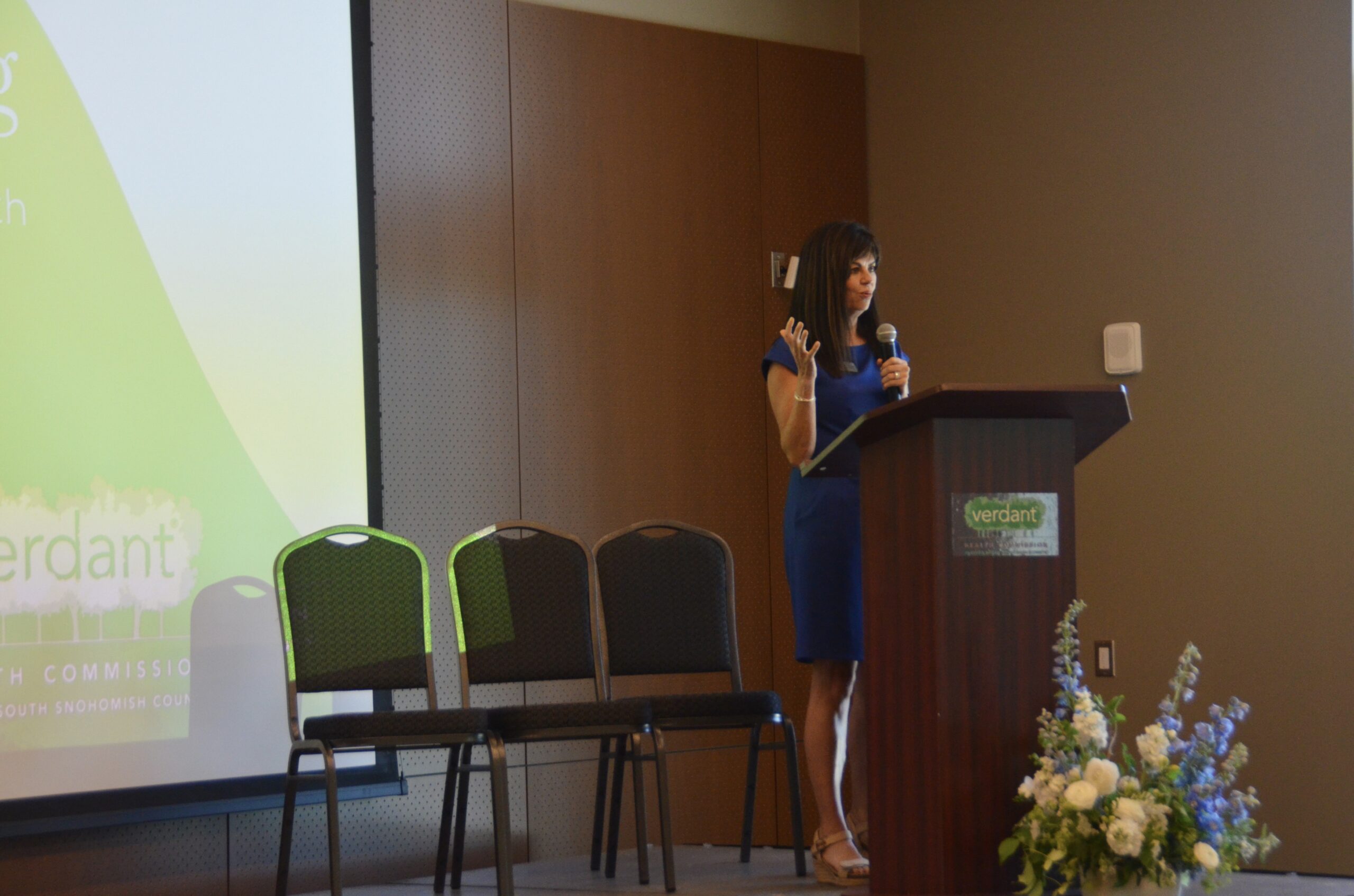 Verdant Health Commission Superintendent Alison Poulsen.
However, Davis – who represents the 32nd District that includes parts of South Snohomish County – emphasized that the presence of a single, consistent nurturing adult can serve as a powerful protective factor to help children overcome these challenges.
“I don’t care if that’s the school bus driver, I don’t care if it’s the cafeteria staff, one person where they feel connected, that makes them feel special, that makes them feel both completely loved and completely known,” she said. “We can do that here in this community.”
Family care and parental support are also critical to address the root cause of trauma and mental health issues, Davis said. She pointed to several resources and classes for parents in Snohomish County that give them the tools to regulate themselves, access resources and teach their children how to respond to negative emotions.
But there’s still hope even if a child doesn’t receive the care they need early on. During her time studying at the University of Washington, Davis said she learned just how resilient the brain can be. With proper support, neurons can be rewired.
 Rep. Lauren Davis was the event’s keynote speaker and a panelist.
“We have an opportunity to teach young people new emotional regulation pathways,” Davis said.
Dialectical Behavioral Therapy (DBT) has been proven helpful in treating mental health disorders and preventing suicidal ideations, especially when introduced in elementary school. In some places, including New York City and New Zealand, DBT is used in non-clinical settings like schools and childcare centers as preventive care, rather than solely as a response to crisis.
Davis ended on a positive note, stating that mental conditions are often preventable and treatable, unlike many physical conditions.
“The root of recovery is actually not rock bottom, it’s hope,” she said.
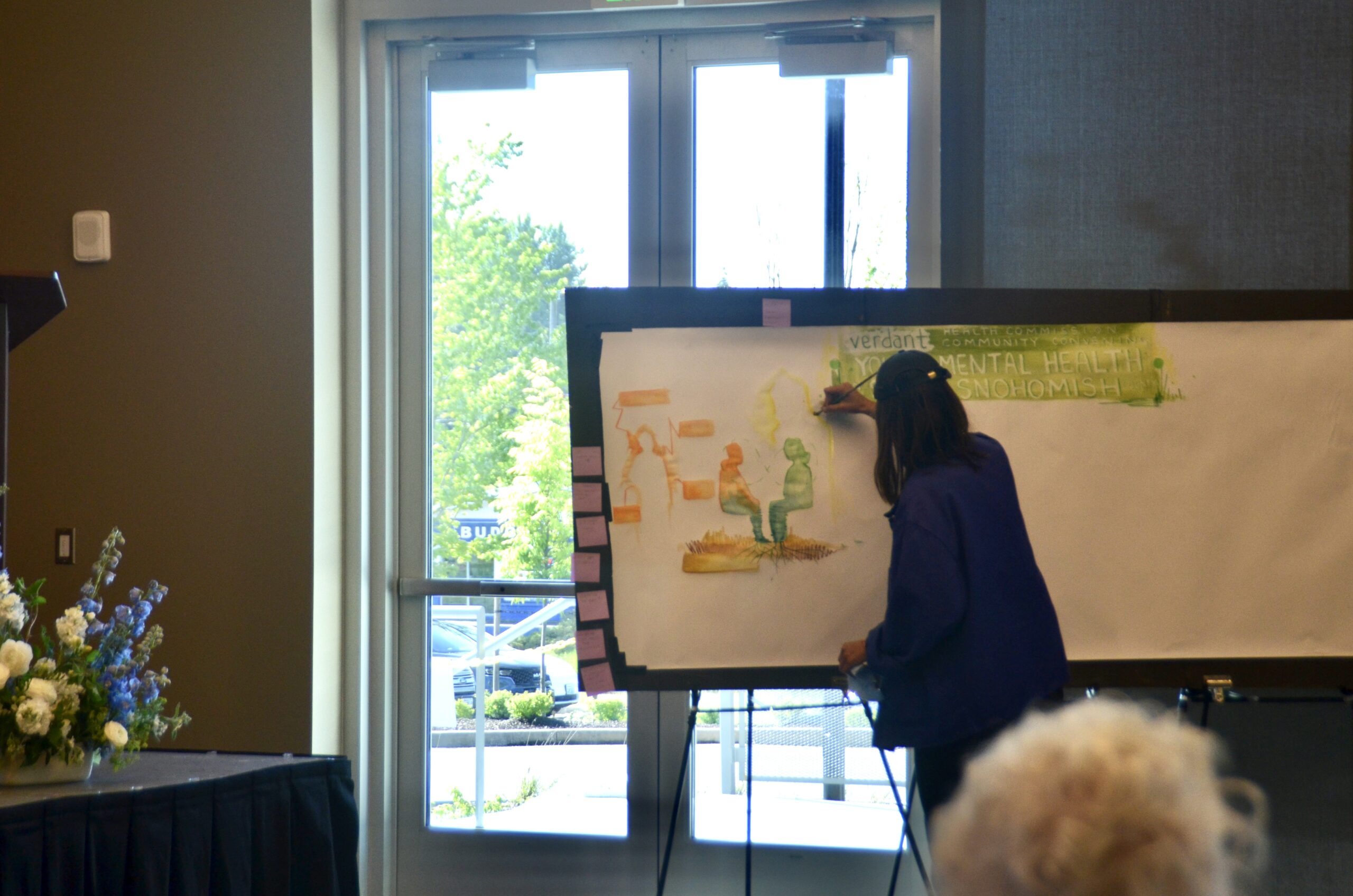 Artist Mari Shibuya created a visual map of discussions and themes from the summit.
Verdant Superintendent Alison Poulsen then moderated the “Voices From the Field” panel, made up of local mental health professionals and people working to help children in the region.
Angela Alfieri, a therapist at Mountlake Terrace High School, detailed the overwhelming daily demand for school-based care, noting she sees six to seven students a day for a variety of complex traumas and struggles.
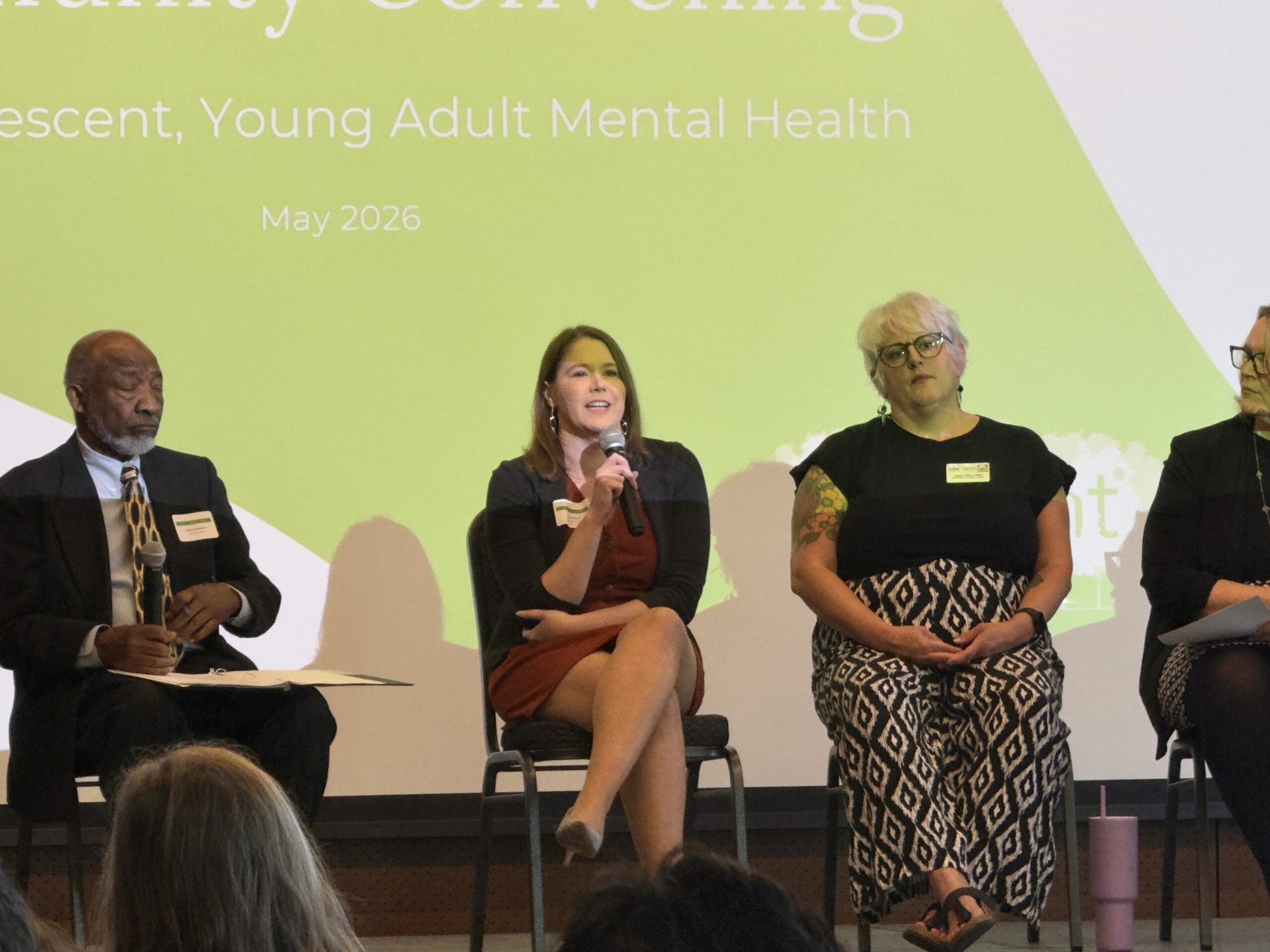
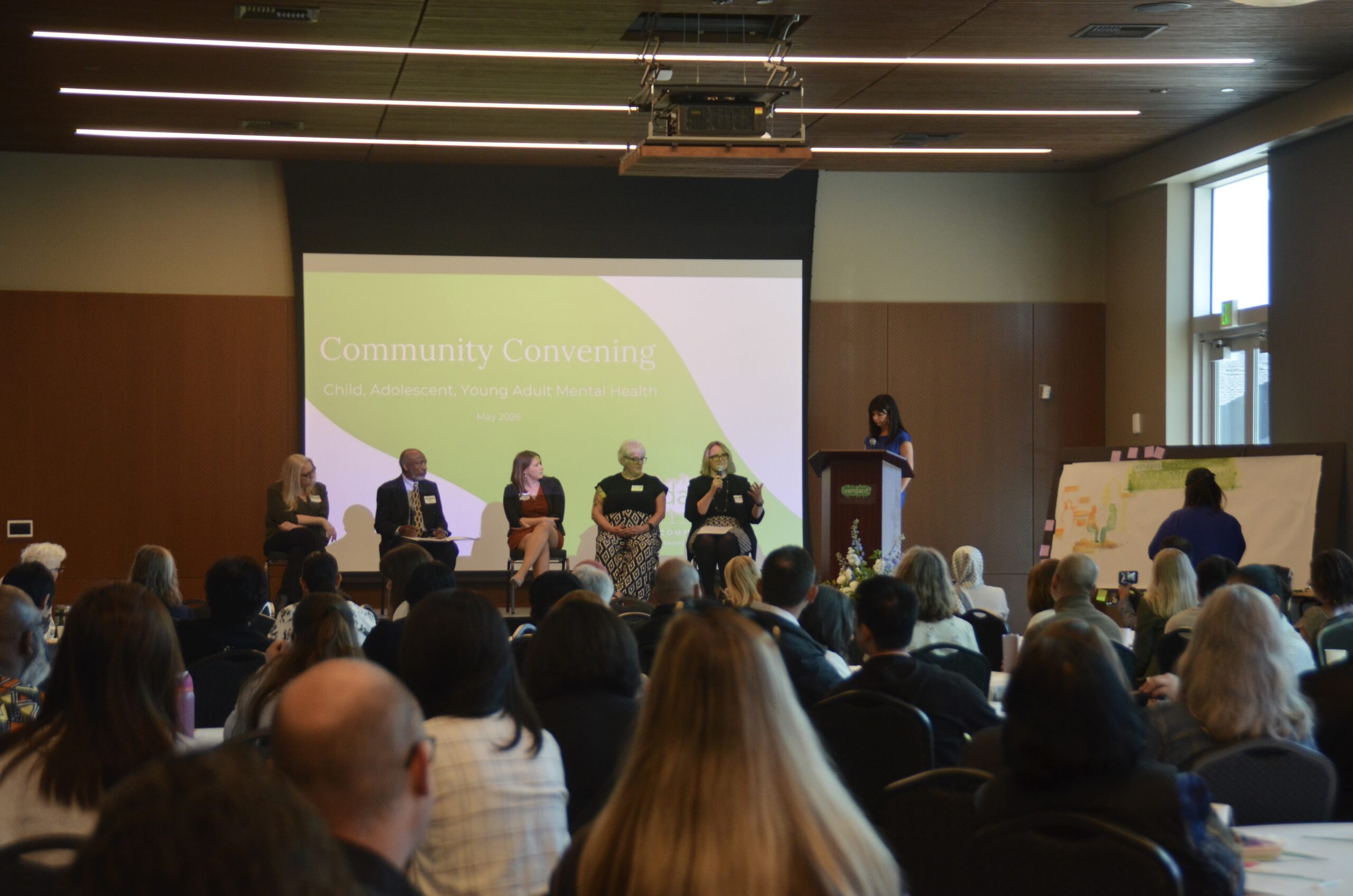 (Left to right) Panelists were Jennifer McKay, Providence Swedish; Wally Webster, ACCESS Project; Rep. Lauren Davis; Angela Alfieri, Mountlake Terrace High School and Maria Coghill, Kaiser Permanente.
Advocating for more providers in educational settings, Alfieri stated, “I had about 70 students referred to me this school year, just me.” She added that many youth are “clamoring for somebody, a caring adult to listen to them and to be there for them.”
Wally Webster, founder of The ACCESS Project, highlighted how disjointed systems fail vulnerable families by leaving them “stuck in navigating this system.”
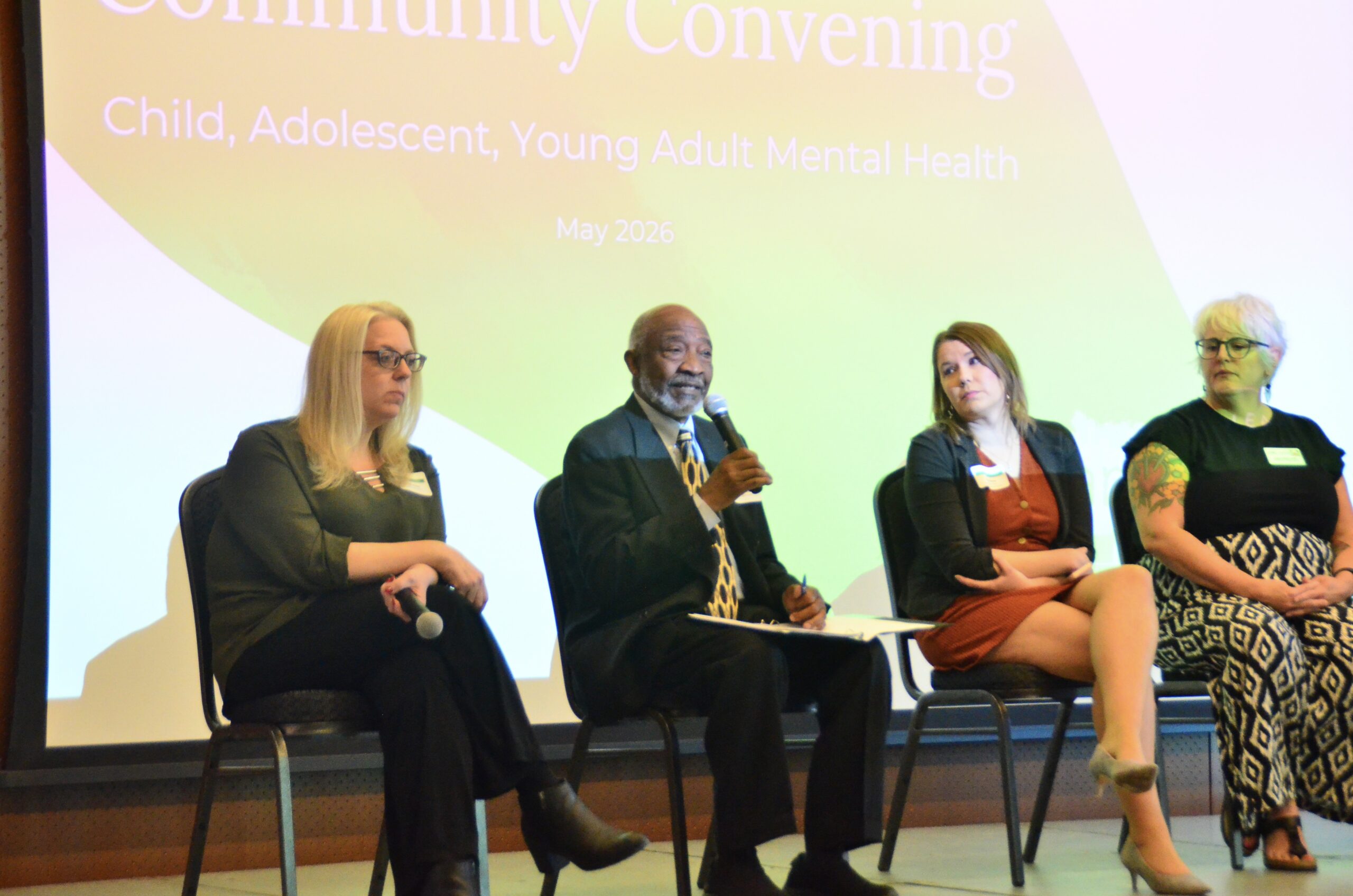 Wally Webster tells the audience about the importance of addressing the root causes of youth mental health issues.
He shared a story of a mother who worked so much she only saw her children when they were sleeping, illustrating the immense difficulty parents face when trying to coordinate multiple services for a struggling child. He emphasized the need for peer mentors to help families navigate these systems and collaborations between agencies to reduce the amount of waiting time and workload for those who need care.
He also emphasized the need for proactive care.
“We tend to react after the crisis instead of preventing the crisis,” Webster said. He sees this commonly in school districts, stating that children often only receive help after they get into a fight or act out.
“Districts cannot do this alone because this is a community issue,” he said. “These issues evolve in the home and in the community, and we have to have a community effort to prevent these mental health behaviors… before they escalate into life-changing events and actions.”
Jennifer McKay, manager of behavioral health at Providence Swedish, addressed the severe provider shortage, which she attributed largely to low compensation in the community mental health field. She argued that retaining skilled professionals requires paying a livable wage, stating, “…social service work should not be the hobby of the people that are independently wealthy, we have to have jobs that pay well.”
McKay also advocated for meeting families exactly where they are, pushing for more services deployed in natural environments rather than strictly in clinical office spaces.
Maria Coghill, director of behavioral health at Kaiser Permanente, pointed out a major coordination challenge regarding a lack of long-term inpatient beds and preventative treatment options for children with highly complex needs. Looking at modern hurdles, Coghill expressed a desire for new initiatives to address the impact of digital screens on young minds, wishing for “policies and programs … that really support families with responsible technology use.”
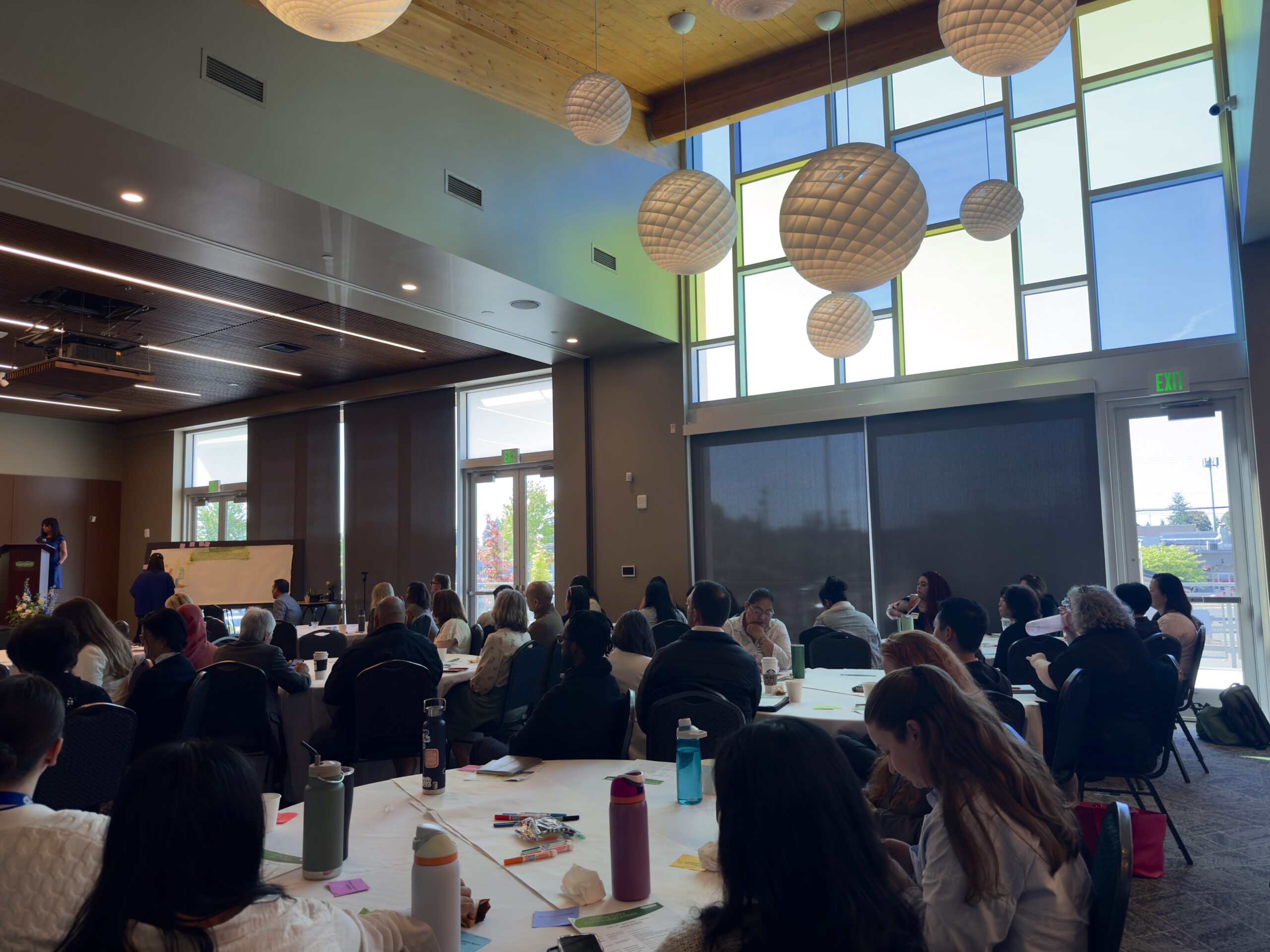
Following the panel, Kathy Solberg from Common Union Consulting presented a synthesis of findings gathered from 43 community conversations and focus groups conducted over a 16-week period.
Solberg said that while schools are the highest leverage access point for care, the broader mental health system is plagued by access barriers, long wait times and a severe lack of coordination. She also noted that underlying economic hardships severely compound these issues.
“When you ask a family what is hardest, they don’t say access to mental health services, they say rent, food, rising costs,” Solberg said. Highlighting a critical gap in care, she spoke about the need for a person to help families navigate complex medical systems.
“Families need a person, not a phone tree,” she said.
The summit concluded with collaborative breakout sessions, prompting attendees to dissect the system’s current landscape, identify critical gaps and brainstorm actionable solutions. Facilitators urged participants to center on equity and the direct experiences of youth and their families, challenging the room to rethink how existing community resources could be better aligned to provide comprehensive, accessible care.
– Contact Ashley at [email protected].
Start your morning with the latest local news.