

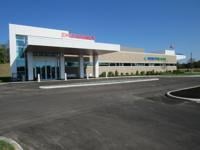
Mercy Health — Springfield Dayton Emergency Center now offers a protocol specifically for first responders in need of mental health care. Mercy Health
In an effort to help first responders more readily access mental health support, the Mercy Health — Dayton Springfield Emergency Center has introduced “Protocol 99.”
When a first responder visiting on their own or with a “peer supporter” tells registration “Protocol 99” is their chief complaint, they will be seen immediately and discreetly, according to a release from the hospital system.
“First responders are trained to run toward emergencies, not ask for help,” said Noel Helton, director of emergency services for Mercy Health — Springfield. “This initiative is about meeting them where they are and making sure they can access care in a way that feels safe and confidential.”
The protocol is available to both active and retired fire, EMS and other law enforcement members.
First responders may avoid or delay seeking mental health care, “due to stigma, concerns about privacy, and fear it could impact their careers,” according to the release. The protocol is housed at the Dayton Springfield Emergency Center in Fairborn, which offers a “more private setting” and gives Dayton area responders the opportunity to also seek care.
The protocol is activated through a “peer support team member,” who conducts an initial assessment and starts care with a phone call. The peer support may transport the person to the emergency department and stay with them in some cases.
Protocol 99 patients are seen by a care team experienced in working with first responders, according to the release.
Mental health concerns among first responders are being recognized more across the country and first responders experience higher rates of stress and exposure to trauma than the general population, according to the release. Many go untreated in some cases due to perception or job impact concerns.
Following immediate evaluation and stabilization, patients are connected with resources and follow-up care designed for first responders, according to the release.
“Our goal is to remove as many barriers as possible,” Helton added. “When someone is in crisis, the system should make it easier – not harder – to get help.”
The protocol is available 24/7 at the standalone emergency center, 1840 Springfield Road.